

A Guide to Suspension Strut Bellows for the 1994-2001 Kia Sephia
Learn how this small boot protects your entire suspension and why you shouldn't ignore a torn one on your Sephia.
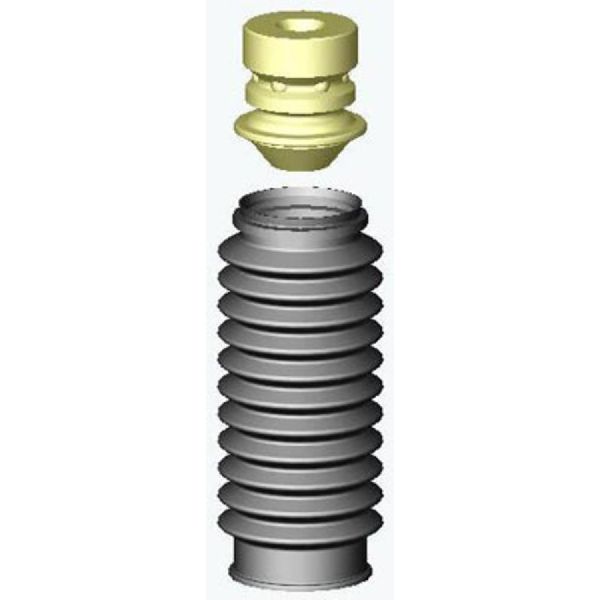
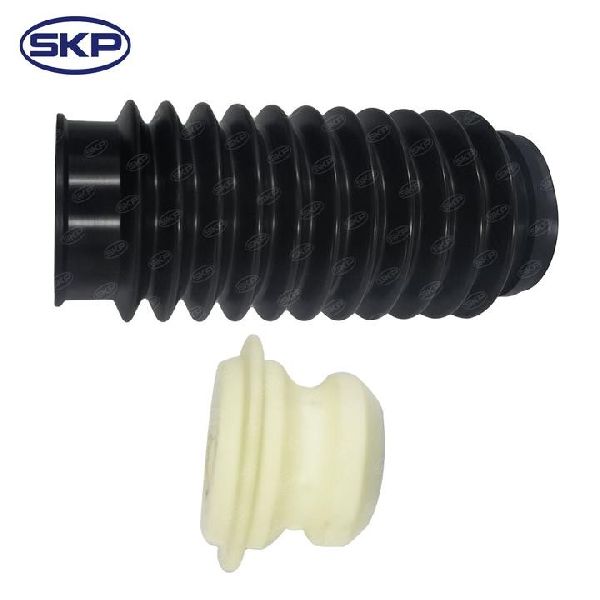
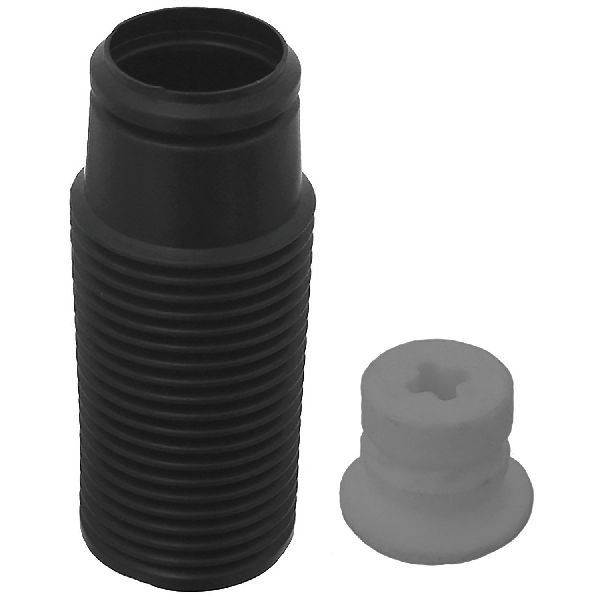
- The strut bellow is a dust cover; its failure leads to the failure of the much more expensive strut.
- Inspect the bellows on your Sephia at every oil change for tears or cracks.
- Due to high labor costs, if your bellows are torn, it is often more economical to replace the entire strut assembly.
- Always replace suspension components in pairs and get a wheel alignment after the job is complete.
Is Your Kia Sephia's Ride Getting Bouncy? Check the Bellows.
If you own a first or second-generation Kia Sephia, you know how important it is to stay on top of maintenance for this classic compact. One part that is often overlooked, but is critical to ride quality and safety, is the suspension strut bellow. While the bellow itself doesn't affect how your car handles, its failure is a direct cause of expensive strut failure down the road. A torn boot lets in dirt and water, which grinds away at the strut's main seal, leading to a loss of pressure and a bouncy, uncontrolled ride.
Symptoms of a Failing Strut Bellow
The primary symptom of a bad strut bellow is visible damage. You or your mechanic should inspect them during every oil change. Look for:
- Cracks, splits, or tears in the rubber or plastic material.
- The bellow becoming detached or falling down the strut shaft.
- Material that is brittle or crumbling.
If the bellow has been damaged for a while, you will start to notice the symptoms of a failing strut, which the bellow was supposed to protect. These symptoms include:
- Bouncy, Unstable Ride: The car continues to bounce up and down after hitting bumps.
- Clunking Noises: A knocking or clunking sound from the suspension area when going over bumps indicates metal-on-metal contact.
- Nose-Diving: The front of the car dips excessively when you brake.
- Uneven Tire Wear: Worn struts can cause a specific pattern of tire wear called "cupping" or "scalloping".
- Poor Handling: The vehicle may sway or feel less stable during turns.
Known Issues & Recalls
After a thorough search of National Highway Traffic Safety Administration (NHTSA) records, no specific recalls or technical service bulletins (TSBs) were found for suspension strut bellows on the 1994-2001 Kia Sephia. While there are recalls for other components on the Sephia, the suspension has not been a subject of a widespread recall. Any failure is typically due to age and wear.
Choosing the Right Aftermarket Bellows for Your Sephia
For a vehicle like the 1994-2001 Sephia, original equipment (OEM) parts are often discontinued and hard to find. The aftermarket is your best and most affordable option. Aftermarket parts from a reputable brand can meet or even exceed the quality of the original parts from the 1990s.
Brand Quality Tiers
- KYB: A well-known and respected Japanese manufacturer of suspension components. KYB bellows are widely considered a high-quality, durable replacement that often uses materials more resilient than the original rubber. They are a trusted choice for ensuring long life for your struts.
- Skyward: This brand is positioned as a more budget-friendly option. While specific reviews for Skyward bellows are scarce, they provide a cost-effective solution for owners needing to pass an inspection or restore the basic function of the part on a budget.
| Part / Service | Estimated Cost |
|---|---|
| Aftermarket Strut Bellows (Part Only, Per Side) | $19.97 - $32.62 |
| Shop Labor to Replace Bellows Only (Per Side) | $150 - $300 |
| Recommended: New Complete Strut Assembly (Part Only, Per Side) | $80 - $150 |
| Shop Labor to Replace Complete Strut Assembly (Per Side) | $100 - $200 |
Frequently Asked Questions
Can I drive with a torn strut bellow?
Yes, but it is not recommended for long. A torn bellow itself does not make the car unsafe, but it will cause the strut to wear out much faster. A failed strut is a safety issue, as it reduces your car's stability and increases stopping distance.
Why is the labor so expensive to replace just a boot?
To replace the bellow, a mechanic must remove the entire strut assembly from the vehicle, compress the high-tension coil spring with a special tool, disassemble the entire unit, install the new bellow, and then reassemble everything. This is a labor-intensive process, which is why replacing the complete, pre-assembled strut is often more cost-effective.
Should I replace my bellows in pairs?
Yes. Suspension components should always be replaced in pairs (both front wheels or both rear wheels at the same time). If one bellow has failed due to age, the one on the other side is likely not far behind. Replacing them in pairs ensures even handling and performance.
Do I need a wheel alignment after replacing strut bellows?
Yes. Any time the suspension struts are removed and reinstalled, it will affect the wheel alignment. A four-wheel alignment is required after this job to prevent crooked steering, poor handling, and rapid tire wear.
Technical Specifications
Varies by front or rear application. Aftermarket bellows are typically made from durable thermoplastic or rubber compounds.
We Have This Part in Stock

The information in this article is provided for general reference and educational purposes only. Vehicle specifications, procedures, and part compatibility can vary by production date, trim level, and region. Always consult your vehicle's factory service manual and verify part numbers before purchasing or performing repairs. Safety-critical components such as airbags, seat belts, and braking systems should be installed by a qualified professional.
- Kia Sephia: