

A/C Compressor Clutch Assembly Guide for 1994-1999 Mazda B4000
Get your Mazda B4000's air conditioning working again by understanding and replacing the A/C compressor clutch.
- A common failure on the B4000 is an increased clutch air gap, causing the A/C to fail when hot; this can sometimes be fixed by removing a shim.
- A constant grinding noise indicates a failing clutch bearing, which is a serious issue that can break the serpentine belt if it seizes.
- Replacing the clutch requires special tools like snap-ring pliers and a clutch puller/installer kit.
- If the compressor has failed internally, you must replace the entire compressor along with the accumulator and orifice tube, not just the clutch.
Is Your B4000 A/C Blowing Warm Air?
If the air conditioning in your 1994-1999 Mazda B4000 has stopped working, a faulty A/C compressor clutch is a very common cause. Since the B4000 is mechanically identical to the Ford Ranger, it shares the same common A/C system issues. Before you assume the entire expensive compressor is bad, it's worth checking the clutch assembly. A failure here can present in several ways, from strange noises to a complete lack of cold air.
Symptoms of a Failing A/C Clutch
- A/C Works Intermittently: A very common issue on these trucks is that the A/C works when you first start driving but stops blowing cold after the engine bay gets hot. This is often caused by the air gap in the clutch becoming too large over time. When hot, the electromagnet isn't strong enough to pull the clutch plate across the wide gap.
- Loud Noises: Grinding or squealing sounds when the A/C is turned on can point to a worn-out bearing inside the clutch pulley. If the noise is present even when the A/C is off, the bearing is likely failing and needs immediate attention.
- Clutch Won't Engage: You might hear a 'click' from the engine bay when you turn on the A/C, but the center part of the compressor pulley never starts spinning. This could be a failed electromagnetic coil or an electrical issue.
- Visible Damage: Sometimes you can see that the front plate of the clutch is broken or missing pieces.
Warning: A Bad Bearing is a Serious Problem
If you hear a constant grinding or whining from the front of your compressor, the clutch bearing may be seizing. If this bearing locks up completely, it can destroy the serpentine belt, causing your truck to lose its power steering and alternator, and leading to overheating. This is a critical failure that can leave you stranded.
Choosing an Aftermarket A/C Clutch Assembly
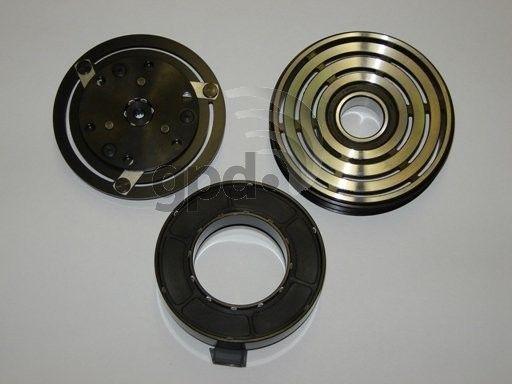
For an older truck like the 1994-1999 B4000, finding original OEM parts can be difficult and expensive. The aftermarket is the most common source for these parts. The Global Parts brand provides a budget-friendly option to get your A/C running again.
When choosing a value-priced aftermarket part, it's important to have realistic expectations. While it meets the specifications for fit and function, its lifespan may not match that of the original factory part. However, for the price, it can be an effective solution. The most critical factor for longevity is correct installation, especially setting the proper air gap.
Pro Tip: Clutch Only, or the Whole Compressor?
If your clutch failed because of a bad bearing or a worn-out coil, replacing just the clutch assembly is a great cost-saving repair. However, if the old compressor has failed internally (a condition known as 'black death'), simply slapping a new clutch on it will not work. The new compressor will be destroyed by debris from the old one. In that case, you must replace the compressor, the accumulator/drier, and the orifice tube, and flush the entire system.
Cost to Replace A/C Compressor Clutch Assembly (1994-1999 Mazda B4000)
| Item | Estimated Cost |
|---|---|
| New Aftermarket Clutch Assembly | $80 - $140 |
| Shop Labor for Clutch Replacement | $250 - $450 |
| Shop Labor for System Evacuate & Recharge | $150 - $250 |
| Total Estimated Cost (At a Shop) | $480 - $840 |
Costs are estimates and can vary based on your location and the specific repair shop. A full system evacuation and recharge is required if the system is opened.
Frequently Asked Questions
Can I replace the A/C clutch myself?
Yes, a skilled DIY mechanic can replace the clutch assembly. However, it is not a simple bolt-off, bolt-on job. It requires special tools like snap-ring pliers and a specific A/C clutch puller/installer tool. You also must be careful to set the correct air gap between the clutch plate and the pulley using shims. The compressor can often be unbolted and moved aside to perform the repair without disconnecting the A/C lines, avoiding the need to handle refrigerant.
What is the 'air gap' and why is it important?
The air gap is the tiny space between the clutch plate and the pulley. On these trucks, the gap should be between 0.014 and 0.030 inches. Over time, wear increases this gap. If the gap becomes too large, the electromagnet can't pull the plate in to engage the compressor, especially when hot. A common fix is to remove a thin metal washer, called a shim, from behind the clutch plate to reduce the gap.
Do I need special tools for the job?
Yes. At a minimum, you will need a good set of snap-ring pliers. You will also likely need an A/C clutch puller and installer kit to remove the old clutch and press the new one on without causing damage. An 8mm socket is needed for the center bolt.
Do I need to replace the accumulator or orifice tube?
If you are only replacing the clutch assembly and are NOT opening the sealed refrigerant system, you do not need to replace these parts. However, if your compressor failed internally and you are replacing the entire unit, you MUST replace the accumulator/drier and orifice tube to ensure your new compressor is not contaminated and to validate its warranty.
Technical Specifications
OEM Part Numbers: F5DZ-19D990-AB
The compressor used on the 1994-1999 Mazda B4000 is a Ford FS10 style. The clutch has a 6-groove pulley. The system uses R134a refrigerant and PAG 46 oil.
We Have This Part in Stock

The information in this article is provided for general reference and educational purposes only. Vehicle specifications, procedures, and part compatibility can vary by production date, trim level, and region. Always consult your vehicle's factory service manual and verify part numbers before purchasing or performing repairs. Safety-critical components such as airbags, seat belts, and braking systems should be installed by a qualified professional.
- Mazda B4000: