

A Guide to the Turbocharger Boost Sensor for the 1994-1998 Peterbilt 378
Losing power or seeing black smoke? Your Peterbilt 378's turbo boost sensor could be the problem.
- This part is engine-specific; you must know if you have a Caterpillar or Cummins engine before buying.
- Symptoms of failure include significant power loss, black smoke, and a drop in fuel mileage.
- Replacement is simple and can be done by most owners with basic tools in under an hour.
- Ignoring a bad sensor can lead to more expensive problems, so it's best to replace it when symptoms appear.
Is Your Peterbilt 378 Showing These Symptoms?
A failing turbocharger boost sensor can cause noticeable problems with your engine's performance. Because this sensor provides critical data for fuel and turbo management, a bad signal can throw the whole system off. You might notice one or more of these issues, which can range from annoying to serious.
Common Signs of a Bad Boost Sensor
- Loss of Engine Power: Your truck may feel sluggish, especially when climbing hills or under heavy load.
- Poor Acceleration: The truck struggles to get up to speed, and you might not feel the turbocharger engaging like it should.
- Black Smoke from Exhaust: This is a classic sign that the engine is running rich (too much fuel, not enough air), which can be caused by incorrect sensor readings.
- Decreased Fuel Economy: If you're stopping for fuel more often, a bad boost sensor could be wasting fuel by causing an inefficient air-fuel mixture.
- Check Engine Light: A faulty boost sensor will often trigger the check engine light and store diagnostic trouble codes like P0236, P0237, or P0238.
- Limp Mode: In some cases, the truck's computer will protect the engine by entering a 'limp mode,' which severely limits power and speed.
Engine-Specific Part: Caterpillar vs. Cummins
It is critical to know which engine your 1994-1998 Peterbilt 378 has. This part is not specific to the truck model, but to the engine inside it. The most common engines in this era were the Caterpillar 3406E and the Cummins N14. The boost sensors for these engines are different and are not interchangeable. Always verify your engine model before ordering a new sensor.
Choosing the Right Aftermarket Boost Sensor
When your original boost sensor fails, you have a choice between an expensive OEM part from the engine manufacturer and a more affordable aftermarket replacement. For a work truck like the Peterbilt 378, a quality aftermarket part can be a smart financial decision.
Brand Quality & Tiers
Two brands you might encounter are Dorman and Global Parts.
- Dorman: Dorman is a very well-known brand in the automotive aftermarket, including their HD Solutions line for heavy-duty trucks. They specialize in creating parts that are designed to be direct replacements for the original, focusing on matching the fit and function. They are a widely available and generally trusted option for many repairs.
- Global Parts: The name 'Global Parts' can be a bit generic, as several companies use this name. It is not a single, well-defined brand in the North American heavy-duty sensor market in the same way as Dorman. If you see a part from this brand, it's best to treat it as a value-oriented or budget-friendly option. Check seller reviews and warranty information before purchasing.
Pro Tip: Easy to Replace
The turbo boost sensor is usually easy to access and replace. On both Cummins N14 and Cat 3406E engines, it is typically located on the driver's side of the engine, screwed into the intake manifold or cylinder head. The job involves unplugging the electrical connector, unscrewing the old sensor, and installing the new one. This is a repair that many truck owners can do themselves in under an hour with basic hand tools.
Cost of a New Turbocharger Boost Sensor
The price for a new boost sensor can vary significantly between the original part from Caterpillar or Cummins and aftermarket options.
| Part Type | Estimated Price Range |
|---|---|
| New OEM (Caterpillar) | $250 - $350+ |
| New OEM (Cummins) | $80 - $150 |
| New Aftermarket | $86 - $129 |
| Shop Labor | $75 - $200 |
Note: Prices are estimates as of 2026 and can vary by supplier and location.
Frequently Asked Questions (FAQ)
Can I replace the boost sensor myself?
Yes, this is a very DIY-friendly repair. The sensor is typically in an accessible location on the engine and requires only basic tools to replace. It's a simple process of unplugging the wire and unscrewing the sensor.
Do I need a Cat sensor or a Cummins sensor?
You must buy the sensor that matches your engine. A sensor for a Caterpillar 3406E will not work on a Cummins N14, and vice-versa. Check the engine block for identification before you buy a part.
What happens if I ignore a bad boost sensor?
Ignoring a bad boost sensor can lead to continued poor fuel economy, loss of power, and potential long-term engine issues. Your truck may fail emissions tests and could leave you stranded if it goes into limp mode. It's a relatively inexpensive part that is important for proper engine function.
Are there any recalls for this part?
No, as of early 2026, there are no specific recalls or technical service bulletins (TSBs) from Peterbilt or the engine manufacturers for the turbocharger boost sensor on the 1994-1998 Peterbilt 378.
Technical Specifications
OEM Part Numbers: 4921501 (Cummins) 3084521 (Cummins) 161-9928 (Caterpillar) 194-6722 (Caterpillar)
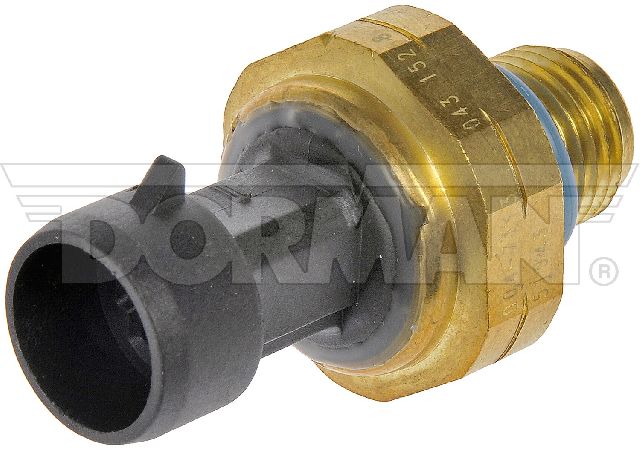
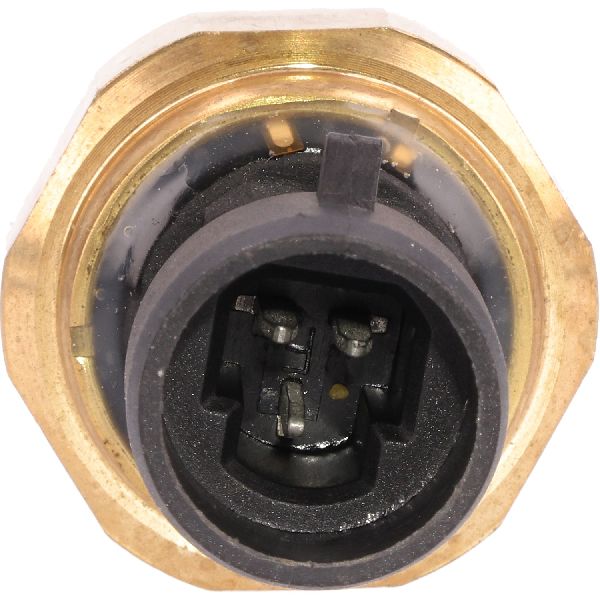
3-pin electrical connector. Measures intake manifold boost pressure. Specific design varies between Cummins and Caterpillar engines.
We Have This Part in Stock

The information in this article is provided for general reference and educational purposes only. Vehicle specifications, procedures, and part compatibility can vary by production date, trim level, and region. Always consult your vehicle's factory service manual and verify part numbers before purchasing or performing repairs. Safety-critical components such as airbags, seat belts, and braking systems should be installed by a qualified professional.
- Peterbilt 378: