

Chevrolet C/K 1500 Ignition Coil Guide for 1994-1998 Models
Everything you need to know about replacing the ignition coil on your Chevy truck.
- A failing ignition coil causes symptoms like misfiring, rough idle, stalling, and a no-start condition.
- Replacement is a simple DIY job that takes less than 30 minutes with basic tools.
- Quality aftermarket brands like Standard Ignition and Walker Products offer reliable and cost-effective alternatives to OEM parts.
- Failures are often heat-related; a coil may work when cold but fail after the engine warms up.
Is Your Truck's Ignition Coil Failing?
When the ignition coil on your Chevy C/K truck starts to go bad, it can cause a range of engine problems. Because it's responsible for creating the spark, a weak or failed coil will directly impact how your engine runs. You might notice one or more of these issues, which can start intermittently and get worse over time.
Top Failure Symptoms:
- Engine Misfires: The engine may stumble, jerk, or hesitate, especially when you accelerate. This feels like a loss of power or a chugging sensation.
- Rough Idle: Your truck might shake or vibrate more than usual when stopped at a light or parked.
- Difficulty Starting: A weak coil may not provide enough voltage to start the engine easily, especially when it's cold. In some cases, a completely failed coil will prevent the truck from starting at all.
- Stalling: The engine might suddenly shut off while driving or when idling.
- Check Engine Light: A failing coil can trigger the check engine light. Codes like P0300 (Random Misfire) or P0351 (Ignition Coil Circuit Malfunction) are common.
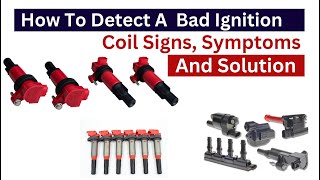
- Poor Fuel Economy: When the engine isn't burning fuel efficiently due to weak spark, your gas mileage will suffer. 🎬 Watch: A visual guide to common bad ignition coil symptoms.
A Note on Heat Failure
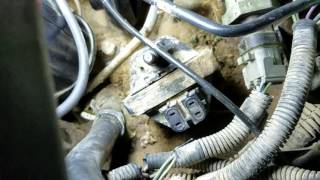
A common issue with these ignition coils is failure due to heat. The coil is often mounted on the engine intake manifold, where it gets very hot. An aging coil can become sensitive to temperature, working fine when the engine is cold but failing once it warms up, leading to stalling or misfires after driving for a while. You might even see physical signs of damage, like cracks or burn marks on the coil's casing.
Choosing a New Aftermarket Ignition Coil
For a 1994-1998 Chevy C/K, you don't necessarily need to buy an expensive OEM part from the dealer. The technology in these coils is straightforward, and reputable aftermarket brands offer excellent quality and value. Here’s a look at your options.
Brand Quality Tiers
- Standard Ignition (SMP): Often considered a top-tier aftermarket brand, Standard Motor Products provides parts that meet or exceed OEM specifications. Their Blue Streak line, in particular, is engineered to improve upon original designs, offering better durability and heat resistance. This is a trusted choice for a reliable, long-lasting repair.
- Walker Products: Walker is another well-known manufacturer of engine management parts. They focus on producing reliable, OE-grade components. A Walker ignition coil is a solid, dependable option that provides good performance and value.
- Global Parts: This brand typically falls into the budget-friendly or economy category. While it offers a cost-effective solution to get your truck running again, it may not have the same long-term durability or advanced materials as premium brands like Standard or Walker.
OEM vs. Aftermarket
The original ACDelco coils on these trucks were durable, but any original coil is now over 25 years old. A new, high-quality aftermarket coil from a brand like Standard Ignition is a smart replacement and can sometimes offer improvements over the original design. Avoid suspiciously cheap, unbranded coils from online marketplaces, as these often use inferior materials and have high failure rates.
Cost of Replacing an Ignition Coil
The cost to replace the ignition coil on a '94-'98 Chevy truck is reasonable, especially if you do the work yourself. The job is simple and requires basic tools.
| Part Type | Estimated Cost |
|---|---|
| OEM (ACDelco) | $90 - $160 |
| New Aftermarket | $75 - $141 |
| Shop Labor | $50 - $120 |
Frequently Asked Questions (FAQ)
Can I replace the ignition coil myself?
Yes, this is a very DIY-friendly job. The coil is usually mounted on the intake manifold with two bolts. You just need to disconnect the battery, unplug two electrical connectors, unbolt the old coil, and install the new one. The entire process typically takes less than 30 minutes.
Do I need to replace the ignition control module (ICM) at the same time?
It's not required, but it's often recommended. The ICM is frequently mounted with the coil, and the heat that kills the coil can also damage the ICM. Since you're already working in that area, replacing both can be good preventative maintenance, especially on high-mileage trucks.
🎬 See how to replace both your coil and module together.Are there any recalls for the ignition coil on these trucks?
No, there are no specific recalls or major Technical Service Bulletins (TSBs) for the ignition coil on the 1994-1998 Chevrolet C/K trucks. Major GM ignition recalls in the past involved different models and ignition switch systems, not the coil on these specific trucks.
What's the difference between the original coil and the new aftermarket ones?
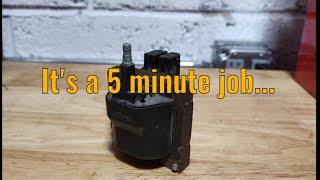
The original coil was held to its mounting bracket by rivets. Most new aftermarket coils come with nuts and bolts. To install a new coil, you will need to grind or drill off the old rivets to separate the original coil from its bracket, then bolt the new coil onto the bracket.
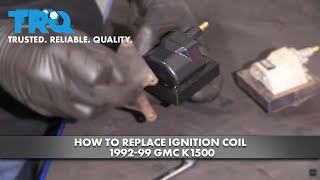
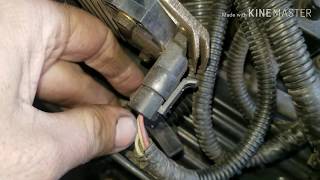
🎬 Watch this walkthrough for replacing the coil on 90s GMC/Chevy trucks.Helpful Videos

Technical Specifications
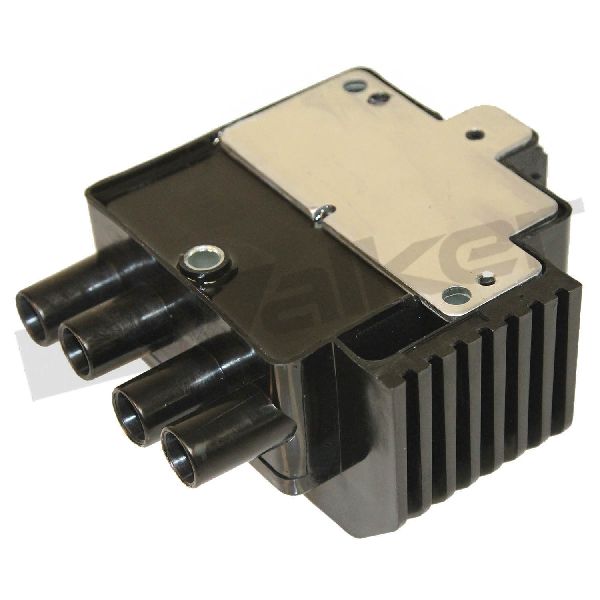
OEM Part Numbers: 10482803 D577
This vehicle uses a single, external, E-core style ignition coil to supply spark to the distributor for all cylinders.
We Have This Part in Stock


The information in this article is provided for general reference and educational purposes only. Vehicle specifications, procedures, and part compatibility can vary by production date, trim level, and region. Always consult your vehicle's factory service manual and verify part numbers before purchasing or performing repairs. Safety-critical components such as airbags, seat belts, and braking systems should be installed by a qualified professional.
- Chevrolet Chevy: