

Chrysler Concorde 1993-2004 Oxygen Sensor: A Complete Guide
Fix your check engine light and improve gas mileage by choosing the right oxygen sensor for your Concorde.
- Your Concorde has four O2 sensors; confirm the exact location (e.g., Bank 1, Sensor 2) before buying.
- For best results, choose an aftermarket brand like NGK/NTK or Denso, as some owners report issues with Bosch on this vehicle.
- If you have a high voltage code (P0132, P0138), check the wiring harness for melting before replacing the sensor.
- Ignoring a bad O2 sensor can lead to poor gas mileage and eventual damage to the expensive catalytic converter.
Is Your Chrysler Concorde Showing Signs of a Bad Oxygen Sensor?
A failing oxygen sensor doesn't always mean your car will stop running, but it will cause noticeable problems. The most common sign is a steady or flashing Check Engine Light on your dashboard. You may also experience a significant drop in fuel economy, a rough or unstable idle, engine hesitation or misfires, and a loss of power during acceleration. In some cases, you might smell a 'rotten egg' or sulfur odor from the exhaust, or even see black smoke, which indicates an overly rich fuel mixture. Ignoring these symptoms for too long can lead to expensive damage to your catalytic converters.
A Note on 2.7L Engines
The 1998-2004 Concorde models with the 2.7L V6 engine are known to have issues with oil sludge buildup. This is important because oil and coolant contamination can quickly destroy a new oxygen sensor. If your 2.7L engine has a history of sludge or internal leaks, make sure those issues are resolved before replacing the O2 sensors.
Choosing the Right Aftermarket O2 Sensor for Your Concorde
When shopping for a new oxygen sensor, you'll find many brands available. For the 1993-2004 Chrysler Concorde, owner experience suggests that not all brands perform equally.
- Top Tier (OEM Quality): Denso and NGK (NTK) are highly recommended for Chrysler vehicles. These brands are often the original equipment manufacturers and are known for their reliability and compatibility, preventing future headaches. Forum members have reported the best results with these brands.
- Mid-Tier: Delphi and Bosch are well-known brands. However, many mechanics and owners have reported that Bosch sensors can sometimes cause performance issues in non-European cars like Chrysler, even if they don't trigger a check engine light. If you choose Bosch, ensure it is a direct-fit model specifically listed for your vehicle.
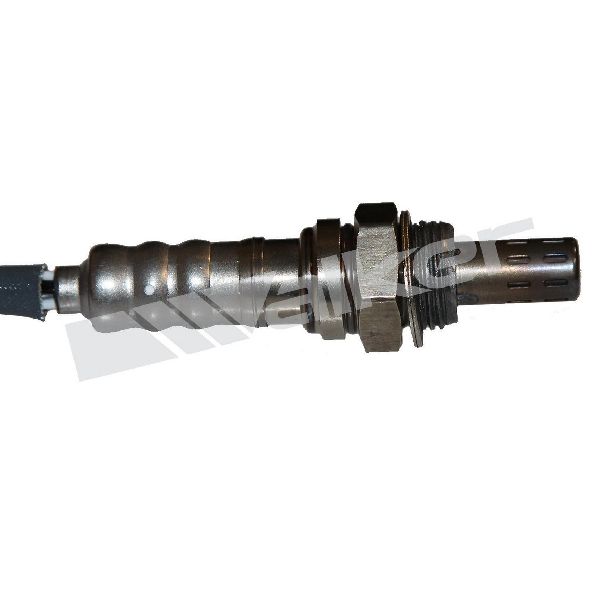
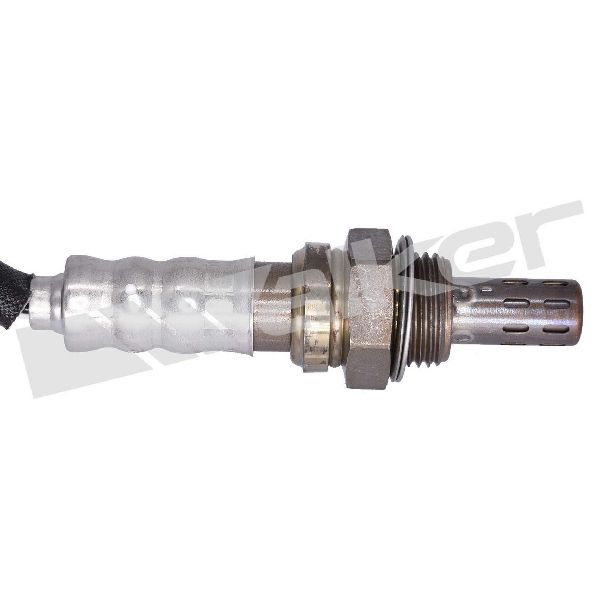
- Economy Tier: Brands like DriveWire, Spectra, and Walker Products offer a budget-friendly option. While they can work, their quality can be inconsistent, with some failing sooner than higher-quality brands. Avoid 'universal' sensors that require you to splice wires, as these are a common source of problems.
Upstream vs. Downstream is Critical
Your Concorde has four oxygen sensors: two upstream (before the catalytic converter) and two downstream (after the converter). These sensors are not interchangeable. Upstream sensors are more complex and directly affect the air-fuel ratio, while downstream sensors primarily check emissions. Always verify the exact position (e.g., Bank 1 Sensor 1, Bank 2 Sensor 2) before ordering.
Typical Replacement Costs
The cost to replace an oxygen sensor depends on the brand you choose and whether you do it yourself or hire a professional.
| Item | Estimated Cost (Per Sensor) |
|---|---|
| New Aftermarket Part | $25 - $115 |
| New OEM (Mopar) Part | $100 - $160+ |
| Shop Labor | $80 - $180 |
| Total Professional Replacement | $105 - $295 |
Frequently Asked Questions
How many oxygen sensors does my 1993-2004 Concorde have?
All V6 engines used in the Concorde during this period (2.7L, 3.2L, 3.3L, and 3.5L) have four oxygen sensors. There is one upstream and one downstream sensor for each engine bank.
What tools do I need to replace an O2 sensor?
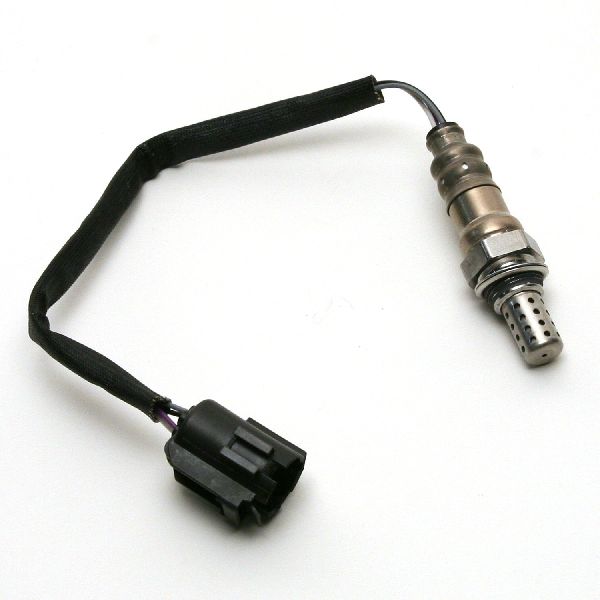
You will need a special tool called an oxygen sensor socket. It looks like a deep socket with a slit down the side to accommodate the sensor's wire. You may also need a ratchet, extension, and penetrating oil to loosen a sensor that is rusted or seized in the exhaust pipe. Many auto parts stores offer O2 sensor socket sets as part of a loaner tool program.
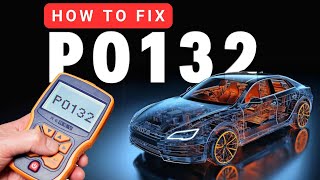
🎬 Watch: Step-by-step O2 sensor replacement on a Chrysler V6My check engine light is for P0132 or P0138 (High Voltage). 🎬 See this explanation of P0132 high voltage codes Is it the sensor?
Not always. On many vehicles, including this platform, these codes can be triggered when the sensor's wiring harness falls against the hot exhaust manifold. This melts the insulation and causes the 12-volt heater wire to short into the low-voltage signal wire. Before replacing the sensor, inspect the wiring harness carefully for any signs of melting or damage.
🎬 Watch: How to diagnose and fix a P0132 codeAre there any recalls for the Concorde oxygen sensor?
No. According to NHTSA data, there have been no specific safety recalls issued for the oxygen sensors on the 1993-2004 Chrysler Concorde.
Helpful Videos
Technical Specifications
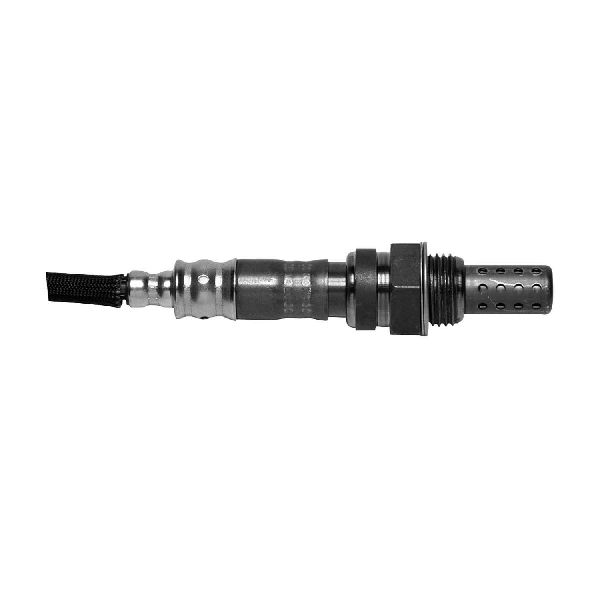
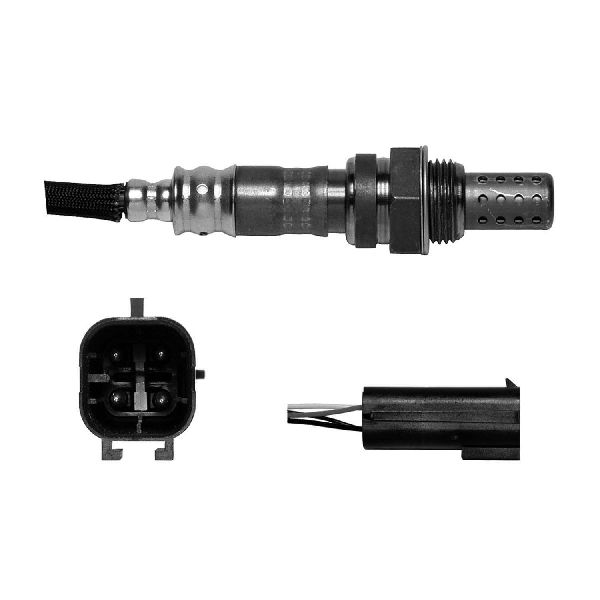
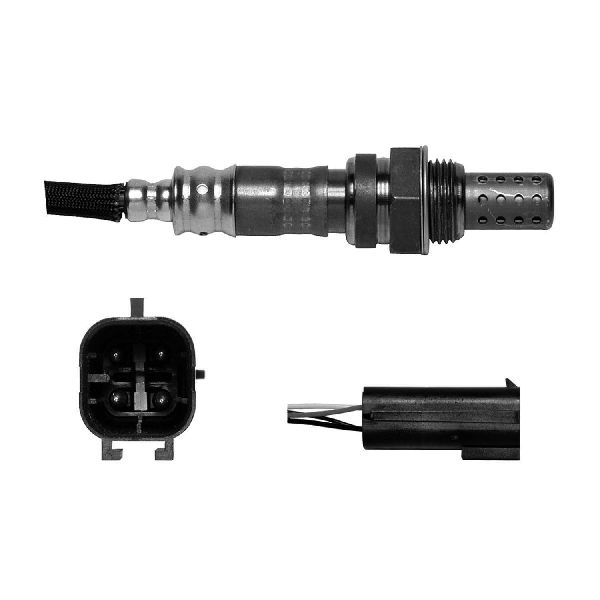
OEM Part Numbers: 04606555AC 5149171AB
All 1993-2004 Chrysler Concorde models use V6 engines and are equipped with four 4-wire heated oxygen sensors. Two are located upstream (before the catalytic converters) and two are located downstream (after the catalytic converters). A special oxygen sensor socket is required for removal and installation.
We Have This Part in Stock

The information in this article is provided for general reference and educational purposes only. Vehicle specifications, procedures, and part compatibility can vary by production date, trim level, and region. Always consult your vehicle's factory service manual and verify part numbers before purchasing or performing repairs. Safety-critical components such as airbags, seat belts, and braking systems should be installed by a qualified professional.
- Chrysler Concorde: