

Nissan Quest Windshield Washer Pump Guide (1993-2003)
If your washer fluid isn't spraying, the pump is the most likely problem—here's what you need to know.
- A failed washer pump is a common, age-related issue on the 1993-2003 Quest.
- Symptoms are easy to spot: no sound and no fluid, or a very weak spray.
- An aftermarket Trico pump is a cost-effective and reliable replacement that is easy to install.
- Always check the fuse first, and be prepared for washer fluid to drain out during replacement.
Is Your Nissan Quest Washer Pump Failing?
A dead washer pump is a common issue on the first-generation Nissan Quest as it ages. The internal electric motor simply wears out after thousands of cycles. Before you buy a new part, first make sure your washer fluid reservoir is full and check the fuse for the washer system. If both are good, the pump itself is the next logical part to inspect.
Symptoms of a Bad Washer Pump
- No Sound, No Fluid: You activate the washer switch and hear nothing but the wipers moving across dry glass. This usually means the pump's electric motor has failed completely.
- Pump Hums, But No Spray: You can hear the pump motor humming, but no fluid comes out. This can mean the pump's internal impeller is broken, or there is a clog in the lines or nozzles.
- Weak or Uneven Spray: The fluid barely reaches the windshield or only sprays on one side. This indicates the pump is getting weak and can no longer create enough pressure for a proper spray.
Front vs. Rear Pumps
Your Nissan Quest has both front and rear windshield washers. These are often operated by two separate pumps or a single reversing pump. Make sure to test both your front and rear washers to determine which pump has failed before ordering a replacement.
Known Issues, Recalls, or TSBs
Searches of the National Highway Traffic Safety Administration (NHTSA) database show no recalls or technical service bulletins (TSBs) for the windshield washer pump on the 1993-2003 Nissan Quest. Forum discussions among owners confirm that pump failure is a typical wear-and-tear item for these vehicles, with the motor simply giving out due to age.
Choosing the Right Aftermarket Part
For a simple component like a washer pump, an aftermarket replacement offers excellent value without sacrificing reliability. The technology is basic, and quality aftermarket brands produce pumps that meet or exceed original specifications.
- OEM (Original Equipment Manufacturer): This is the part you would get from a Nissan dealer. It will be a perfect fit but comes at a much higher cost.
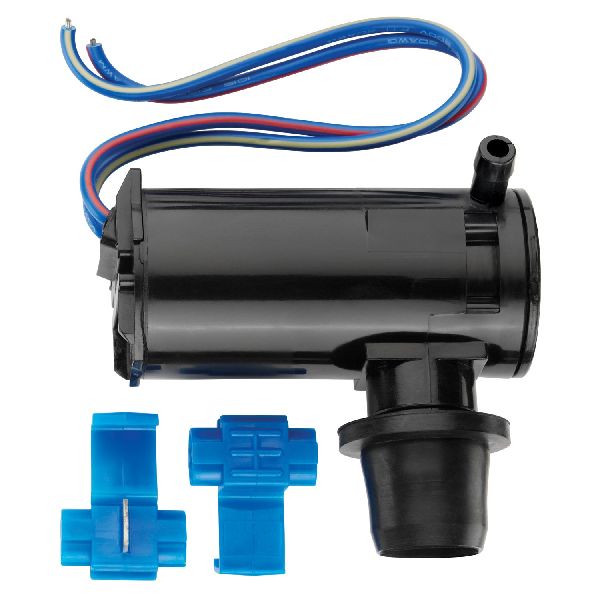
- Aftermarket (Trico): Brands like Trico specialize in wiper and washer systems and offer direct-fit replacement pumps. They are designed for easy installation and provide performance that is identical to the original for a fraction of the price, making them a smart choice for this repair.
| Part Type | Price Range |
|---|---|
| New Aftermarket (Trico) | $20.95 - $20.95 |
| Other New Aftermarket | $12 - $30 |
| New OEM | $50 - $90+ |
| Shop Labor | $100 - $150 |
DIY Installation Tips
Replacing the washer pump on your Quest is a straightforward DIY job that takes less than an hour. The pump is located on the reservoir, which is accessed through the front passenger-side wheel well. You will need to safely jack up the vehicle, remove the wheel, and pull back the plastic fender liner. Have a bucket ready, as the remaining washer fluid will drain out when you disconnect the old pump. The pump itself pulls straight out of a rubber grommet in the tank. Simply swap the electrical connector and hoses to the new pump, push it into place, and reassemble.
Frequently Asked Questions
Do I need to replace the whole reservoir tank?
No, the pump is a separate, replaceable part that pushes into the bottom of the reservoir. You only need to replace the entire tank if it is cracked and leaking.
Why does the pump hum but nothing sprays out?
This could mean the pump's internal parts are broken. However, it's also very common for the washer fluid nozzles on the hood or the hoses to become clogged with debris or old, gelled fluid. Before replacing the pump, try disconnecting the hose from the pump outlet and activating it. If fluid shoots out, the pump is working and your clog is further down the line.
Is it safe to drive with a broken washer pump?
You can technically drive the vehicle, but it is a safety risk. Without the ability to clean your windshield, sudden splashes of mud, dirt, or grime can completely block your vision, especially in bad weather. It's best to replace it as soon as possible.
Will an aftermarket pump fit like the original?
Yes, quality aftermarket brands like Trico design their pumps to be direct-fit replacements. They use the same mounting style and electrical connectors as the original part, so no modifications are needed for installation.
Technical Specifications
OEM Part Numbers: 28960-0B000 (Rear)
Direct-fit electric pump, typically with two nozzles for front and rear systems. Mounts to the washer fluid reservoir via a rubber grommet.
We Have This Part in Stock

The information in this article is provided for general reference and educational purposes only. Vehicle specifications, procedures, and part compatibility can vary by production date, trim level, and region. Always consult your vehicle's factory service manual and verify part numbers before purchasing or performing repairs. Safety-critical components such as airbags, seat belts, and braking systems should be installed by a qualified professional.
- Nissan Quest: