

A Guide to Replacing Brake Pads on Your 1993-2003 Lincoln Continental
Restore your Lincoln's smooth, quiet, and confident stopping power by choosing the right new brake pads.
- For most owners, a premium ceramic brake pad set from a brand like Akebono or Bosch offers the best combination of quiet operation and low dust, preserving the Continental's luxury feel.
- Always replace brake rotors at the same time as the pads to ensure smooth, safe braking and proper pad break-in.
- During the job, inspect related components like caliper slide pins and brake hoses, especially on 1993-1994 models due to a past recall on front brake lines.
- Brake pad replacement is a manageable DIY task for this vehicle, but if you are unsure, professional installation is affordable and ensures safety.
Is It Time for New Brake Pads?
Your Lincoln Continental will give you clear signs when its brake pads are wearing thin. Ignoring these warnings can lead to more expensive repairs, like damage to your brake rotors or calipers. Be aware of these common symptoms:
- Squealing or Screeching: A high-pitched noise when you apply the brakes is often the first sign. This sound comes from a small metal tab called a wear indicator, which is designed to alert you that the pads are low.
- Grinding Noise: A loud, harsh grinding sound means the friction material is completely gone. This is a critical warning, as it indicates metal-on-metal contact between the pad's backing plate and the rotor, which can quickly destroy the rotor.
- Vibrations in Pedal or Steering Wheel: If you feel a pulsing or shaking through the brake pedal or steering wheel when you brake, your rotors may have been warped from heat or uneven wear. This often happens when worn pads are not replaced in time.
- Vehicle Pulling to One Side: If your car pulls left or right during braking, it could mean one brake caliper is sticking or the pads on one side are more worn than the other.
Recall Information for 1993-1994 Models
There was a recall (NHTSA Campaign ID: 97V019000) for 1992-1994 Lincoln Continental models concerning a front brake line that could kink and reduce braking performance. While replacing your pads, it is a good idea to inspect the condition of your front brake hoses for any kinks, cracks, or leaks, especially on these earlier models.
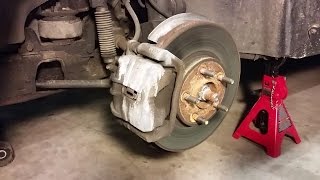
🎬 Watch this step-by-step guide to replacing your Continental's front brakes.Choosing the Right Aftermarket Brake Pads
Original factory (OEM) pads for a car of this age were typically a semi-metallic compound. Modern aftermarket pads offer superior technology, often providing better performance with less noise and dust. Here’s how to choose from the available brands based on your needs.
Tier 1: Economy & Daily Driving
These pads are designed to meet or exceed basic factory specifications at a low cost. They are a good choice for general-purpose driving and for owners on a tight budget.
- Brands: Pronto, Dynamic Friction, Total Stopping Solutions, Centric (Standard)
- Best for: Normal commuting and getting your Continental back on the road safely and affordably.
Tier 2: Premium & OEM-Quality (Recommended)
This is the sweet spot for most Lincoln Continental owners. These pads, typically ceramic, offer the best balance of quiet operation, low brake dust, and reliable stopping power, preserving the car's luxurious feel.
- Brands: Akebono, Bosch, Wagner Brakes, Raybestos
- Pro-Tip: Owner forums frequently recommend Akebono Pro-ACT ceramic pads for their extremely quiet performance and low dust, making them an excellent upgrade for maintaining your Lincoln's clean wheels and silent ride.
Tier 3: Performance & Heavy-Duty
If you desire a firmer pedal feel and increased stopping power, a performance pad is a good option. These pads are engineered to resist brake fade under heavy use but may produce slightly more noise or dust than premium ceramic options.
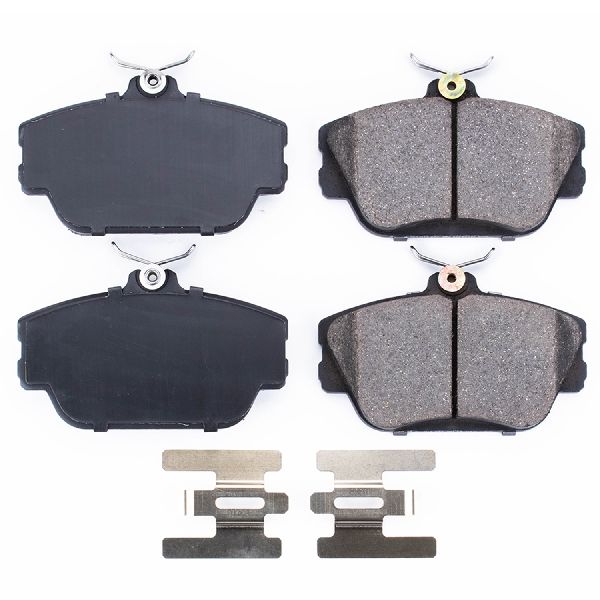
- Brands: Powerstop (especially their Z23 kits), Hawk Performance, EBC Brakes
- Best for: Owners who want a noticeable improvement in braking response. Powerstop kits, which include pads and matching rotors, are a popular all-in-one upgrade.
| Pad Tier | Typical Price Range (Pads Only, Per Axle) | Best For |
|---|---|---|
| Economy | $17 - $45 | Basic, low-cost replacement |
| Premium / OEM-Quality | $45 - $90 | Quiet, low-dust, smooth stopping |
| Performance | $90 - $225 | Improved stopping power and fade resistance |
Frequently Asked Questions (FAQ)
What's the difference between ceramic and semi-metallic pads?
Semi-metallic pads, common when this car was new, offer good performance but can be noisy and produce a lot of dark dust. Ceramic pads are the modern standard for luxury cars; they are much quieter, produce a lighter-colored, less noticeable dust, and are gentler on brake rotors, all while providing excellent stopping power for daily driving.
Do I have to replace my rotors when I replace my pads?
It is highly recommended. While you can sometimes install new pads on old rotors if the rotors are in excellent condition, it's generally best practice to replace them together. New, flat rotors ensure the new pads bed-in correctly and provide smooth, vibration-free braking. If your old rotors show any signs of deep grooves, discoloration (from heat), or warping (vibrations), they must be replaced.
What is "bedding in" new brakes?
Bedding-in, or break-in, is the process of transferring a thin, even layer of friction material from the new pads onto the new rotors. This is crucial for optimal performance and noise-free operation. The process typically involves a series of controlled stops from moderate speeds. Always follow the specific break-in procedure provided by the brake pad manufacturer.
🎬 Watch this tutorial to learn how to bed brakes properly.Why are my new brakes making noise?
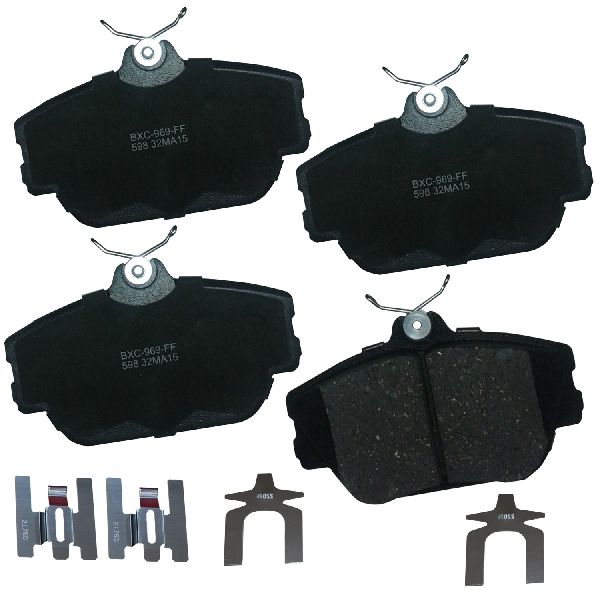
Noise from new brakes can be caused by a few things. If the pads weren't bedded-in properly, an uneven friction layer can cause vibration. Another common cause is failing to clean and lubricate the caliper slide pins or not using the new hardware (clips and shims) that came with your pads. 🎬 See how to properly lubricate slide pins to prevent noise. These components allow the pads to move freely and prevent binding that leads to noise.
Helpful Videos

Technical Specifications
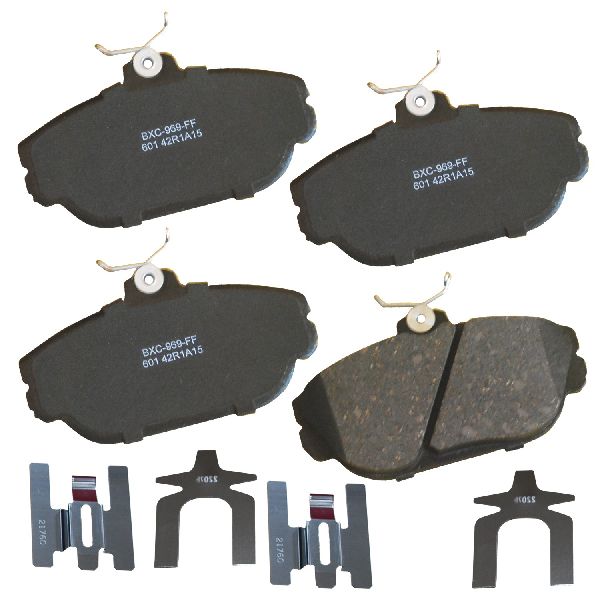
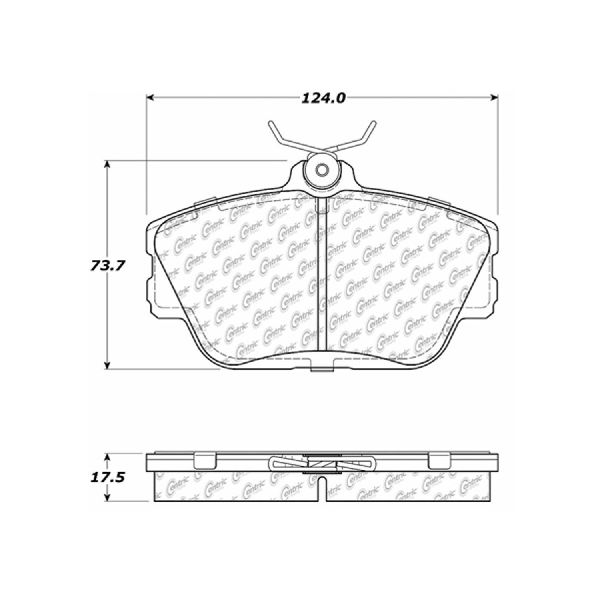
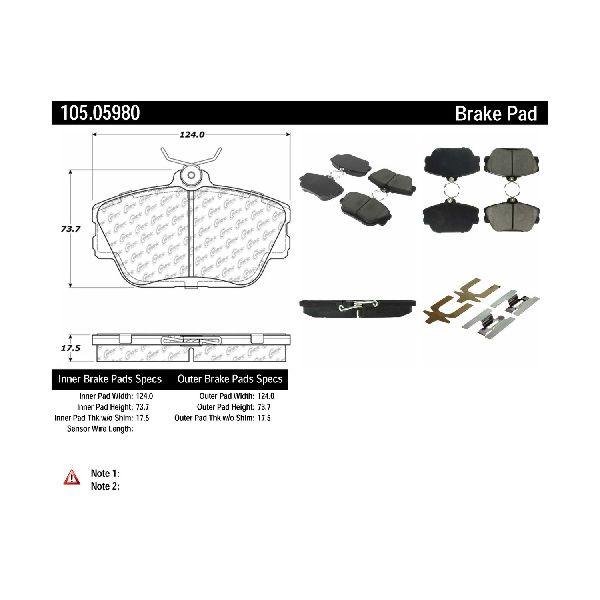
The 1993-2003 Lincoln Continental uses different front brake pads depending on the year. 1993-1994 models use one size, while 1995-2002 models use another. The rear brake pads are generally consistent across the entire 1993-2002 range. Common aftermarket part number formats include: Front (1995-2002): 598 (e.g., Akebono ACT598). Front (1993-1994): 601 (e.g., Bendix D601). Rear (1993-2002): 610 (e.g., Wagner PD610). Always verify fitment with your specific vehicle year before purchasing.
We Have This Part in Stock

The information in this article is provided for general reference and educational purposes only. Vehicle specifications, procedures, and part compatibility can vary by production date, trim level, and region. Always consult your vehicle's factory service manual and verify part numbers before purchasing or performing repairs. Safety-critical components such as airbags, seat belts, and braking systems should be installed by a qualified professional.
- Lincoln Continental: