

Chevrolet B7 Engine Coolant Temperature Sensor: A Guide for 1993-2002 Models
Keep your heavy-duty B7 chassis running right by understanding this critical engine sensor.
- A failing ECT sensor can cause poor fuel economy, black smoke, overheating, and hard starting.
- Verify your B7's specific engine (e.g., 7.4L V8, 8.1L V8, Cat diesel) before ordering a new sensor.
- Replacement is a simple DIY task, but the engine must be cool before you begin.
- While no specific recalls were found, related TSBs show that bad sensor data can cause other strange electrical issues.
Is Your B7's Temperature Sensor Failing?
A bad Engine Coolant Temperature (ECT) sensor can cause problems that seem unrelated. Because the sensor's reading affects so many engine functions, a false signal can lead to poor performance. Your B7 might be hard to start, get worse fuel mileage, or even have black smoke coming from the exhaust. These issues happen because the engine's computer might be adding too much fuel if it thinks the engine is cold when it's actually warm.
Watch for the Check Engine Light
Often, the first sign of a problem is the Check Engine Light turning on. A code scanner can read the Diagnostic Trouble Code (DTC) to help pinpoint the issue. Codes like P0117 (circuit low input) or P0118 (circuit high input) point directly to the ECT sensor circuit.
Choosing the Right Aftermarket Sensor
For a workhorse vehicle like a Chevrolet B7, reliability is key. While OEM parts are an option, quality aftermarket brands offer a dependable and more affordable choice. Not all aftermarket parts are created equal, so it's important to choose a reputable brand.
- Standard Ignition (SMP): Often considered a top-tier aftermarket brand, Standard Ignition provides parts that meet or exceed OEM specifications. They are a reliable choice for critical sensors.
- NGK (NTK): NGK is well-known for spark plugs, but their sensor line (under the NTK brand) is also highly regarded for its quality and precision.
- Four Seasons: While widely known for climate control parts, Four Seasons offers a broad range of engine management components, typically providing a solid, value-oriented option.
- True Tech: This brand generally falls into the budget-friendly category. It can be a viable option for less critical repairs or when cost is the primary concern.
Pro Tip: For a vehicle that is often used in commercial or fleet applications, spending a little more on a trusted brand like Standard Ignition or NGK can prevent future headaches and downtime.
Common Ordering Mistakes
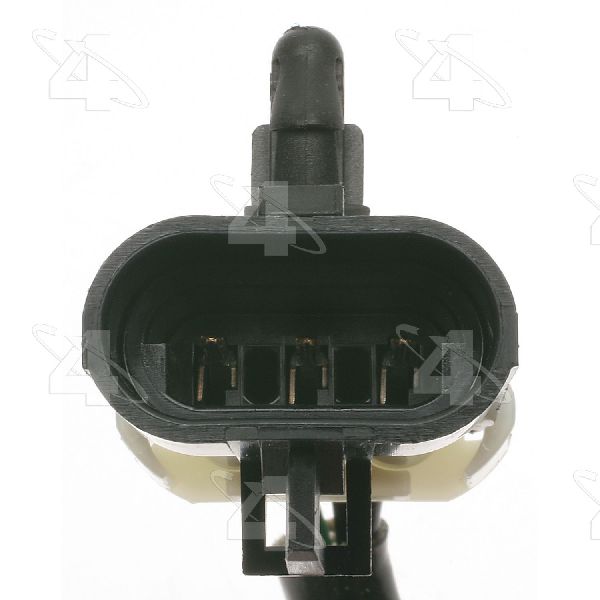
The 1993-2002 Chevrolet B7 was equipped with several different engines, including V8 gasoline engines and Caterpillar diesel engines. The exact ECT sensor can vary based on the engine in your specific chassis. Always verify your engine type (e.g., 7.4L V8, 8.1L V8, Cat 3116) before ordering to ensure you get the correct part. Some sensors may also have different connector shapes or pin counts.
Cost of Replacing the ECT Sensor on a 1993-2002 Chevrolet B7
| Part/Service | Estimated Cost |
|---|---|
| New Aftermarket Sensor | $12 - $154 |
| New OEM GM Sensor | $40 - $250 |
| Shop Labor | $75 - $150 |
| Total (DIY) | $12 - $154 |
| Total (Installed at Shop) | $87 - $404 |
Frequently Asked Questions
Where is the ECT sensor located on my Chevrolet B7?
The ECT sensor is typically screwed into a coolant passage on the engine. In most GM V8 engines of this era, it is located near the thermostat housing on the front of the intake manifold or in the cylinder head. Always consult a repair manual for your specific engine to confirm the exact location.
Can I replace the ECT sensor myself?
Yes, this is a relatively simple job for a DIY mechanic. The engine must be cool before you start. The process involves unplugging the electrical connector, unscrewing the old sensor, and quickly screwing in the new one to minimize coolant loss. It's a good idea to have the new sensor ready to go.
Do I need to drain the coolant to replace the sensor?
You don't have to drain the entire system. Some coolant will leak out when you remove the old sensor. If you are quick, the loss will be minimal. You can top off the coolant level after the new sensor is installed.
What are the trouble codes for a bad ECT sensor?
The most common codes are P0117 (Engine Coolant Temperature Sensor Circuit Low Input), which suggests the computer is seeing a signal indicating extreme heat, and P0118 (Engine Coolant Temperature Sensor Circuit High Input), which suggests a signal for extreme cold. Other related codes may also appear.
Were there any recalls for the ECT sensor on the B7?
Searches of the National Highway Traffic Safety Administration (NHTSA) database did not reveal any specific recalls for the engine coolant temperature sensor on the 1993-2002 Chevrolet B7 chassis. However, some General Motors Technical Service Bulletins (TSBs) for other vehicles mention ECT sensor issues causing various symptoms, like a hood ajar message or reduced power steering assist due to faulty data sent to other modules.
Technical Specifications
OEM Part Numbers: 10096181 12554944
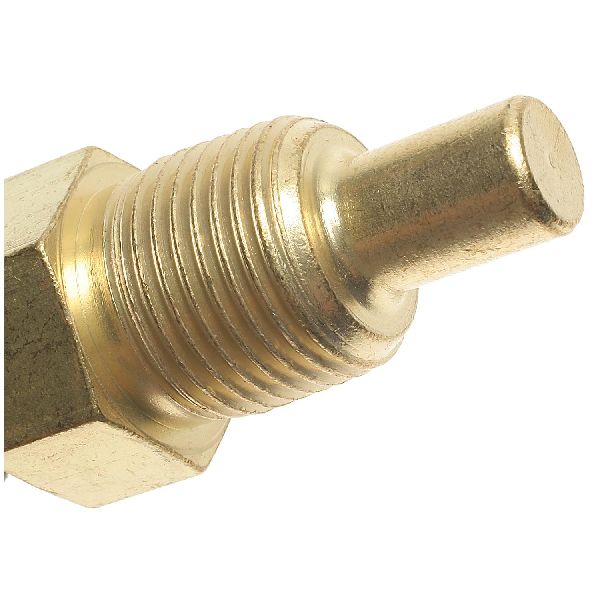
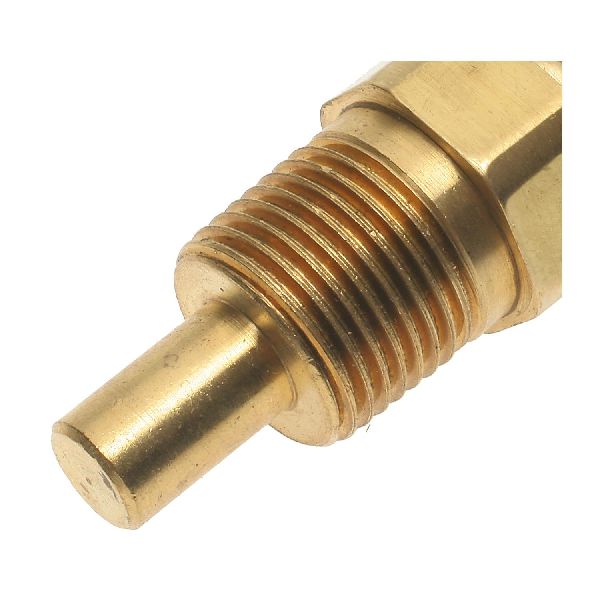
Typically a 2 or 3-pin threaded sensor located near the thermostat housing. The specific part depends on the engine installed in the B7 chassis.
We Have This Part in Stock


The information in this article is provided for general reference and educational purposes only. Vehicle specifications, procedures, and part compatibility can vary by production date, trim level, and region. Always consult your vehicle's factory service manual and verify part numbers before purchasing or performing repairs. Safety-critical components such as airbags, seat belts, and braking systems should be installed by a qualified professional.
- Chevrolet B7: