

Peterbilt 200 Radiator Coolant Hose: A Guide for 1993-2000 Models
Keep your medium-duty cabover running cool by understanding how to choose the right radiator hose.
- No specific recalls or TSBs for radiator hoses were found for the 1993-2000 Peterbilt 200.
- Choose a quality aftermarket brand like Gates, Continental, or Dayco for reliability in a commercial vehicle.
- Symptoms of failure include leaks, visible damage like cracks or bulges, and soft or hard texture.
- To prevent catastrophic engine damage, replace hoses proactively or at the first sign of wear.
Signs of a Failing Radiator Hose
On a work truck like the Peterbilt 200, the cooling system is under constant stress. Radiator hoses don't last forever. Heat, pressure, and exposure to oil and ozone break down the rubber over time. It's important to inspect your hoses regularly and replace them before they fail and leave you stranded. Look for these warning signs:
- Coolant Leaks: Puddles of green, yellow, or pink fluid under your truck are a sure sign of a leak. Check the hose connections at the radiator and engine, and look for cracks in the hose body.
- Visible Damage: Look for cracks, splits, or bulging on the hose. A swollen or bloated hose, especially near the clamps, indicates it's weak and could burst soon.
- Spongy or Hard Hoses: When the engine is cool, squeeze the hoses. A good hose should feel firm but pliable. If it feels soft and spongy or rock-hard and brittle, it's time for a replacement.
- Engine Overheating: If a hose collapses or is severely clogged, it can restrict coolant flow, causing your engine temperature to rise quickly.
Warning: A Burst Hose is a Critical Failure
A sudden radiator hose failure will cause a rapid loss of coolant, leading to severe engine overheating. This can result in catastrophic engine damage, such as a warped cylinder head or cracked block. Do not ignore warning signs.
Choosing the Right Aftermarket Hose
While no specific recalls or technical service bulletins regarding radiator hoses were found for the 1993-2000 Peterbilt 200, choosing a quality replacement part is essential for reliability. For commercial vehicles, sticking with reputable brands is a smart investment.
Brand Quality Tiers
Based on general market reputation and owner feedback for commercial and heavy-duty applications, aftermarket hoses can be grouped into tiers:
- Top Tier (OEM Equivalent): Brands like Gates are widely considered to be of excellent quality, often supplying the original parts for vehicle manufacturers. They are known for proper fitment and durability, making them a reliable choice for a work truck.
- Reliable Aftermarket: Continental and Dayco are also major, respected manufacturers in the hose and belt industry. They produce quality hoses that meet or exceed industry standards. While some users in automotive forums have occasionally reported fitment issues with Dayco on passenger cars, both are generally seen as dependable options for commercial use.
Pro Tip: Replace Clamps with Hoses
Always replace the hose clamps when you install a new radiator hose. Old clamps can lose their tension over time, leading to leaks even with a new hose. Using new, high-quality worm-gear or spring-style clamps ensures a secure seal.
Estimated Costs for Radiator Hose Replacement
The cost to replace a radiator hose on a Peterbilt 200 can vary based on which hose is being replaced (upper, lower, or other) and local labor rates. The parts themselves are relatively inexpensive.
| Item | Estimated Cost |
|---|---|
| New Aftermarket Radiator Hose | $30 - $102 |
| Shop Labor | $150 - $300 |
| Total Estimated Cost | $180 - $402 |
Note: Prices are estimates and can vary by location and specific vehicle configuration. Does not include the cost of new coolant.
Frequently Asked Questions
How often should I replace my radiator hoses?
There is no exact mileage interval, but as a general rule for a commercial vehicle, it's wise to inspect them at every service and consider replacing them proactively every 4-5 years or around 100,000 miles to prevent unexpected failures.
Can I replace just the one bad hose?
Yes, but if one hose has failed due to age, the others are likely not far behind. It is best practice to replace all main radiator hoses (upper and lower) at the same time. This saves on future labor and reduces the risk of another failure soon after.
Is OEM always better than aftermarket for hoses?
Not necessarily. Top-tier aftermarket brands like Gates often manufacture the OEM parts and provide equivalent or even superior quality. For a vehicle of this age, a quality aftermarket hose from a known brand is a perfectly acceptable and cost-effective choice.
Do I need special tools to change a radiator hose?
Basic hand tools like a screwdriver or socket set for the clamps, and a pair of pliers for stubborn hoses are usually all that's needed. You will also need a drain pan to catch the old coolant. Access on a cabover like the Peterbilt 200 may require tilting the cab for some hoses.
Technical Specifications
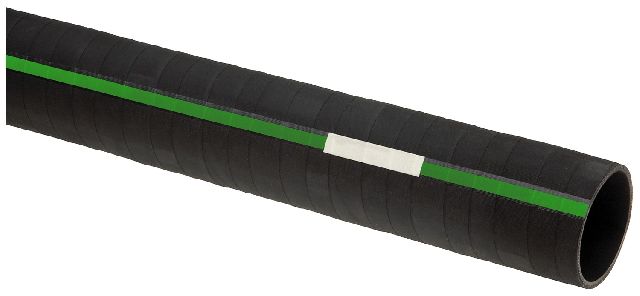
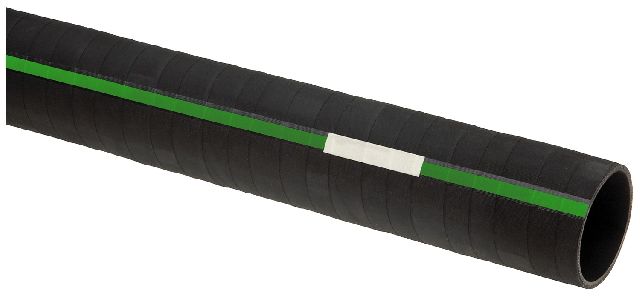
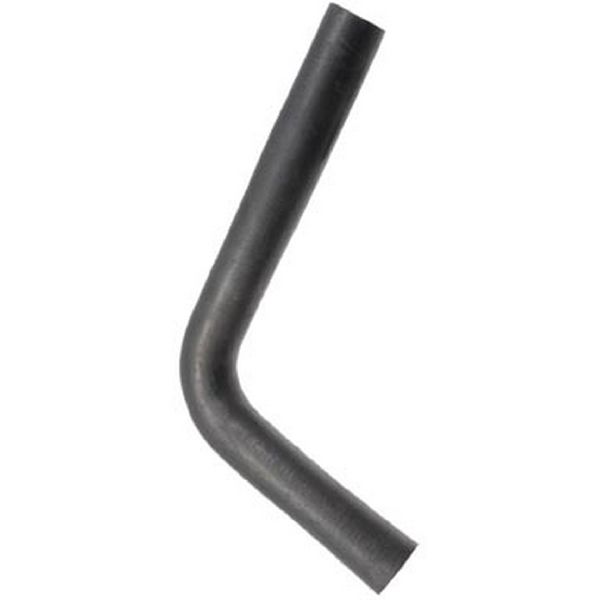
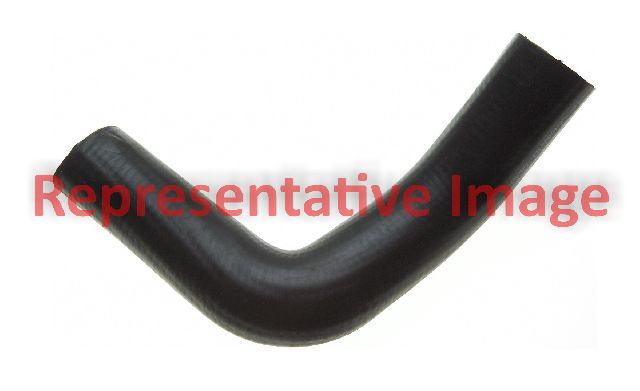
Vehicle-specific molded or straight heavy-duty radiator hose, resistant to Electrochemical Degradation (ECR).
We Have This Part in Stock

The information in this article is provided for general reference and educational purposes only. Vehicle specifications, procedures, and part compatibility can vary by production date, trim level, and region. Always consult your vehicle's factory service manual and verify part numbers before purchasing or performing repairs. Safety-critical components such as airbags, seat belts, and braking systems should be installed by a qualified professional.
- Peterbilt 200: