

Nissan Altima 1993-2000 Oxygen Sensor: A Complete Guide
Bad gas mileage or a check engine light on your Altima? Your oxygen sensor might be the problem.
- For best results, choose a direct-fit oxygen sensor from an OE-supplier brand like Denso or NTK (NGK).
- A failing oxygen sensor will cause poor gas mileage, rough running, and will make you fail an emissions test.
- This is a simple DIY replacement with a special O2 sensor socket; it can save you over $100 in labor.
- Before replacing the sensor for codes P0135 or P0141, check the related fuses first, as a blown fuse can cause the same code.
Is Your Altima's Oxygen Sensor Failing?

Oxygen sensors wear out over time due to constant exposure to high heat and exhaust gases. When a sensor starts to fail, it sends incorrect information to the car's computer, leading to several noticeable problems. Ignoring these symptoms can eventually damage your expensive catalytic converter.
Key Symptoms of a Bad O2 Sensor:
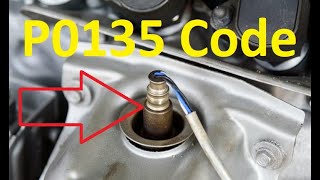
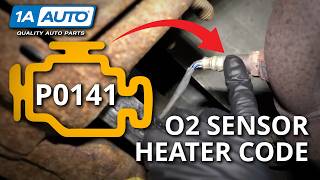
- Check Engine Light: This is the most common sign. The light may be triggered by codes like P0135 (for the upstream sensor heater) or P0141 (for the downstream sensor heater).
- Worse Gas Mileage: A bad sensor often causes the engine to run rich, burning more fuel than necessary.
- Rough Engine Performance: You might experience a rough idle, engine hesitation, or misfires.
- Rotten Egg Smell: A strong smell of sulfur from the exhaust indicates a very rich fuel mixture, which can quickly ruin the catalytic converter.
- Failed Emissions Test: Your Altima will not pass a smog check if the oxygen sensor isn't working correctly.
Pro Tip: Check the Fuse First
Error codes P0135 and P0141 point to a failure in the sensor's internal heater circuit. While this often means the sensor is bad, these codes can also be triggered by a simple blown fuse that powers the heater circuit. Always check your fuse box before 🎬 Watch: Troubleshooting P0135 heater circuit codes and fixes spending money on a new sensor.
Choosing the Right Aftermarket Oxygen Sensor

When replacing the oxygen sensor on your 1993-2000 Altima, you have several aftermarket brands to choose from. For Japanese vehicles like Nissan, sticking close to the original equipment (OE) manufacturer's quality is the best approach for avoiding future headaches. Not all aftermarket brands are created equal.
Tier 1: OE-Quality Brands
These brands are known to be original equipment suppliers for Nissan and other Japanese automakers. Choosing one of these is the safest bet for a perfect fit, correct electrical response, and long life.
- Denso: Widely regarded as a top-tier OEM supplier for Japanese cars. You can't go wrong with a Denso sensor; it's often the same part that was installed at the factory.
- NGK (NTK Sensors): NTK is the sensor division of NGK. Like Denso, NTK is a primary OEM supplier and an excellent choice for your Altima.
Tier 2: Reputable Aftermarket Brands
These brands have a long history in the aftermarket. They can be a good choice, but some owners report occasional issues on Japanese vehicles compared to OE brands.
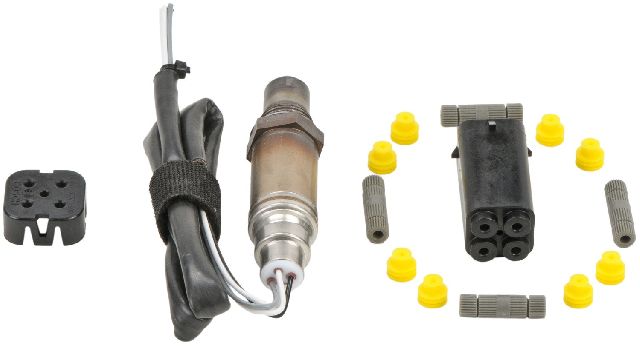
- Bosch: Bosch invented the modern oxygen sensor and has a strong reputation. However, some forum users note that their aftermarket sensors can sometimes cause issues on vehicles that didn't use Bosch as original equipment. It's a reliable brand but Denso or NTK are often preferred for Nissans.
- Delphi: A well-known parts manufacturer. While generally a quality brand, specific feedback for this Altima generation is limited.
Tier 3: Budget-Friendly Brands
These brands offer significant cost savings, but quality and longevity can be less consistent.
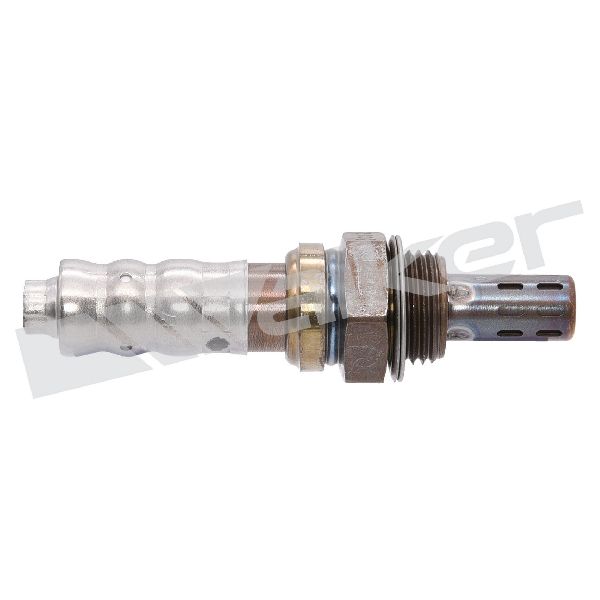
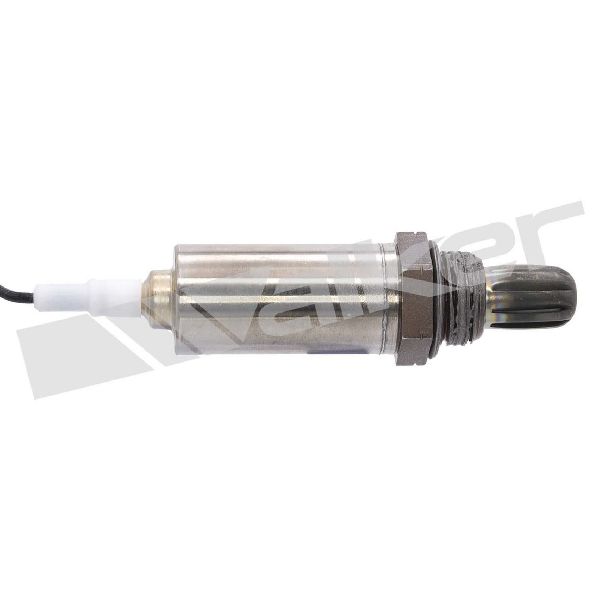
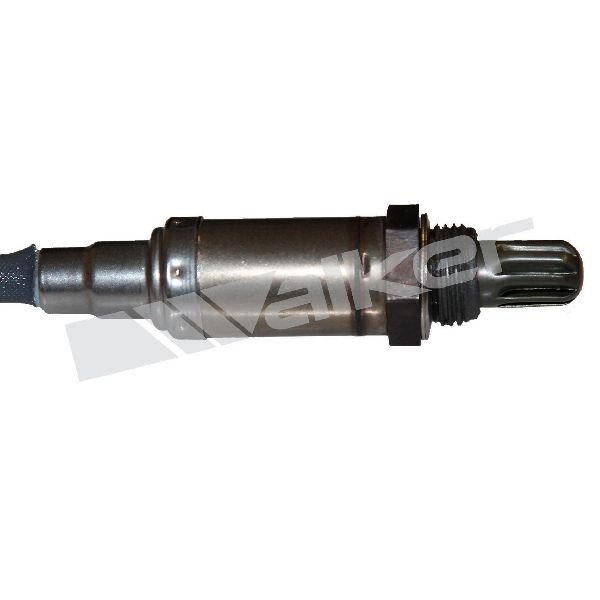
- Walker Products: Often seen as a budget-friendly option that balances cost and performance. Some forum discussions suggest they may even re-brand Denso sensors in some cases, but reviews are mixed.
- DriveWire: A value-oriented brand. A viable option if the primary concern is a low upfront cost.
Avoid Universal Sensors
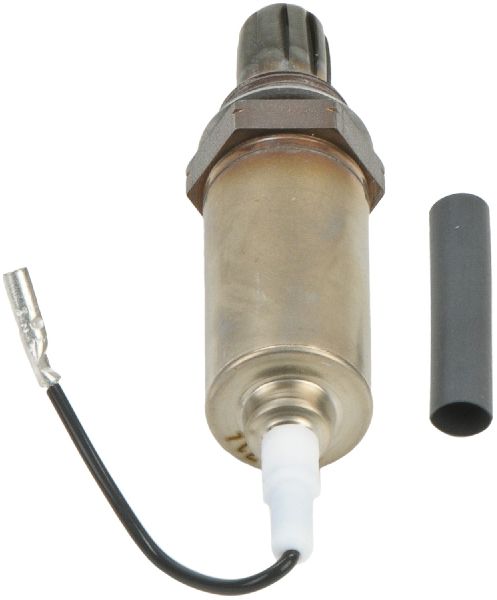
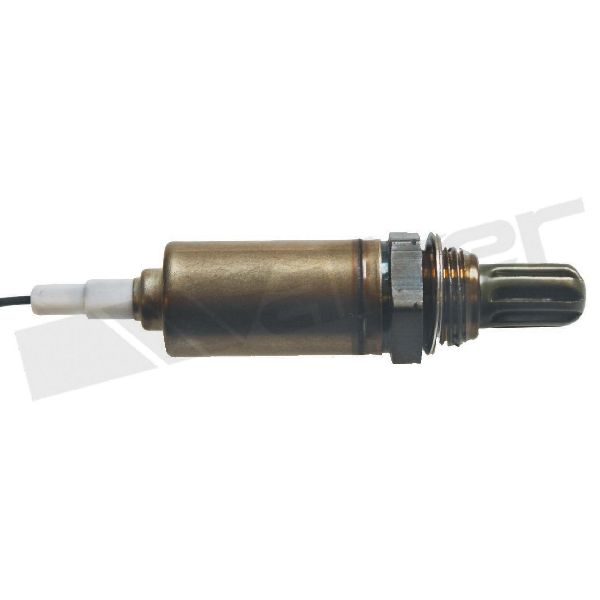
Always choose a "direct-fit" oxygen sensor. These come with the correct plug for your Altima's wiring harness. "Universal" sensors are cheaper but require you to cut and splice wires, which can lead to a poor connection and incorrect sensor readings.
Estimated Replacement Costs

The cost to replace an oxygen sensor varies based on the part brand and whether you do the work yourself.
| Item | Estimated Cost |
|---|---|
| New Aftermarket Sensor | $33.50 - $127.49 |
| New OEM Sensor | $120 - $200 |
| Shop Labor | $100 - $150 |
| Total (Shop Repair) | $135 - $350 |
Frequently Asked Questions

Can I replace an O2 sensor myself?
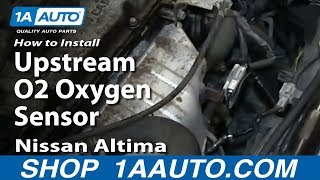
Yes, this is a very DIY-friendly job. 🎬 See this step-by-step sensor replacement walkthrough The upstream sensor is usually accessible from the engine bay, while the downstream sensor requires you to get under the car. The main tool you'll need is a special 7/8-inch oxygen sensor socket, which has a slot for the wire to pass through.
What's the difference between an upstream and downstream sensor?
The upstream sensor (also called Bank 1, Sensor 1) is located on the exhaust manifold before the catalytic converter. It is the primary sensor used by the computer to adjust the air-fuel mix. The downstream sensor (Bank 1, Sensor 2) is located after the catalytic converter and its main job is to monitor the converter's efficiency.
Do I need to apply anti-seize to the new sensor?
Most new direct-fit oxygen sensors come with anti-seize compound already applied to the threads. If yours does not, it is a good idea to apply a small amount to the threads, being careful not to get any on the sensor tip itself.
Are there any recalls for the oxygen sensor on my Altima?
No. There are no recalls or common Technical Service Bulletins (TSBs) related to the oxygen sensors for the 1993-2000 Nissan Altima.
Helpful Videos
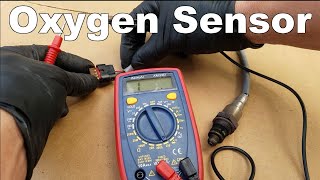
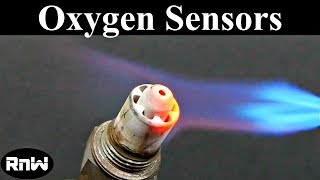
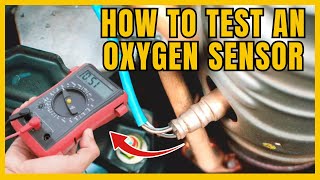
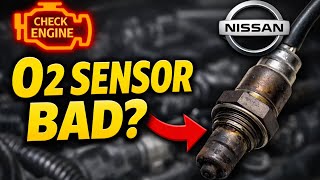
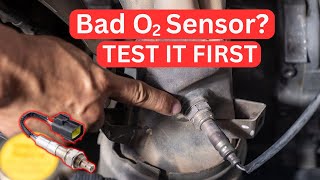
Technical Specifications
OEM Part Numbers: 22690-1E400 22690-2B000 22690-4E811
The 1993-2000 Nissan Altima uses a heated, 4-wire oxygen sensor. It requires a direct-fit model for proper connection. The upstream sensor is located in the exhaust manifold, and the downstream sensor is located after the catalytic converter.
We Have This Part in Stock

The information in this article is provided for general reference and educational purposes only. Vehicle specifications, procedures, and part compatibility can vary by production date, trim level, and region. Always consult your vehicle's factory service manual and verify part numbers before purchasing or performing repairs. Safety-critical components such as airbags, seat belts, and braking systems should be installed by a qualified professional.
- Nissan Altima: