

A Guide to Catalytic Converters for the 1993-2000 Chevrolet Corvette
Understand the signs of failure and how to choose the right aftermarket catalytic converter for your C4 or C5 Corvette.
- Always diagnose and fix the root cause of converter failure (e.g., misfires, bad O2 sensors) before installing a new part.
- The 1993-1996 C4 and 1997-2000 C5 Corvettes have different exhaust systems; ensure you buy the correct part for your generation.
- Check if your state requires a more expensive CARB-compliant converter before purchasing a Federal/EPA model.
- Choose between performance brands like MagnaFlow for better flow or OEM-style brands like Walker for a reliable, cost-effective replacement.
Understanding C4 vs. C5 Corvette Converters
The 1993-2000 model years span two distinct Corvette generations, the C4 (1993-1996) and C5 (1997-2000), which have different exhaust setups. C4 models typically use two pre-converters and one main converter. C5 models feature a more integrated design with converters located closer to the exhaust manifolds. It's crucial to identify your specific model year and generation when shopping for parts.
Symptoms of a Failing Catalytic Converter
A bad catalytic converter will give you clear warning signs. Ignoring them can lead to more expensive repairs down the road. Look out for the symptoms listed below, from a simple check engine light to severe power loss.
🎬 Learn how to accurately diagnose a failing catalytic converter.Is Your State CARB Compliant?
Before buying, check if your state follows California Air Resources Board (CARB) emissions standards. CARB-compliant converters are required in states like California, New York, and Colorado, and are more expensive due to higher precious metal content. Federal/EPA-compliant converters are legal in most other states. Installing the wrong type can cause you to fail an emissions test.
Choosing the Right Aftermarket Brand
When your original converter fails, you have several aftermarket options. OEM units from GM are often prohibitively expensive or discontinued. Aftermarket brands offer a range of quality and performance.
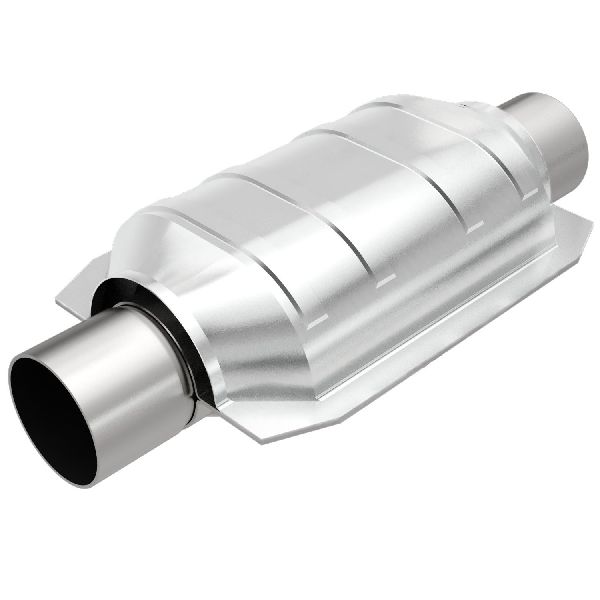
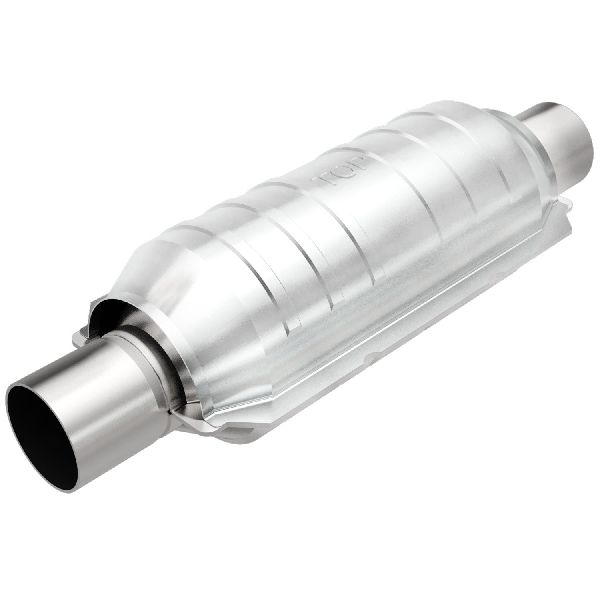
- Performance (High-Flow): MagnaFlow is a popular choice for Corvette owners seeking to maintain or even improve exhaust flow. These are often made of stainless steel and can be a good option for modified cars, though some owners have reported fitment issues with certain direct-fit models.
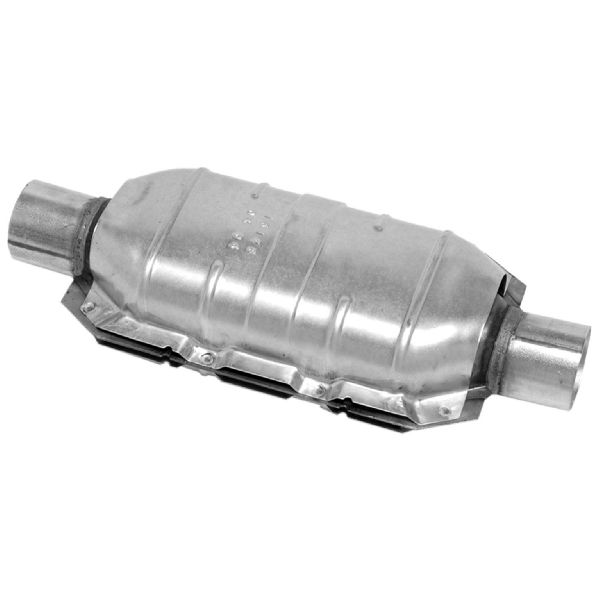
- OEM-Style Replacement: Walker Exhaust is known for producing reliable, direct-fit style converters that serve as a good alternative to expensive OEM parts. They focus on meeting original specifications for fit and function.
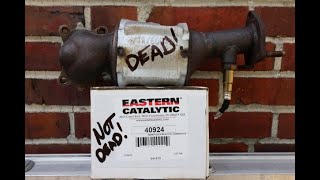
- Budget-Friendly: Brands like AP Exhaust and Eastern Catalytic offer more affordable solutions. While they meet basic EPA requirements, they may not have the same longevity or precious metal loading as premium brands. They are a practical choice for drivers needing 🎬 Watch a review of Eastern Catalytic converters as OEM replacements. a functional, cost-effective replacement.
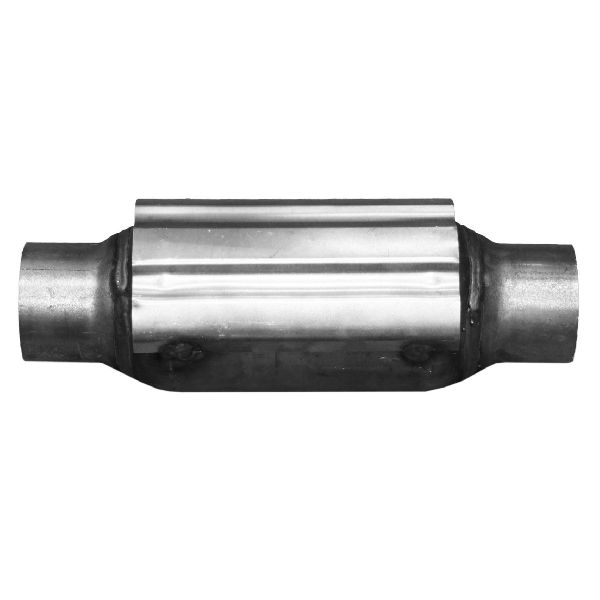
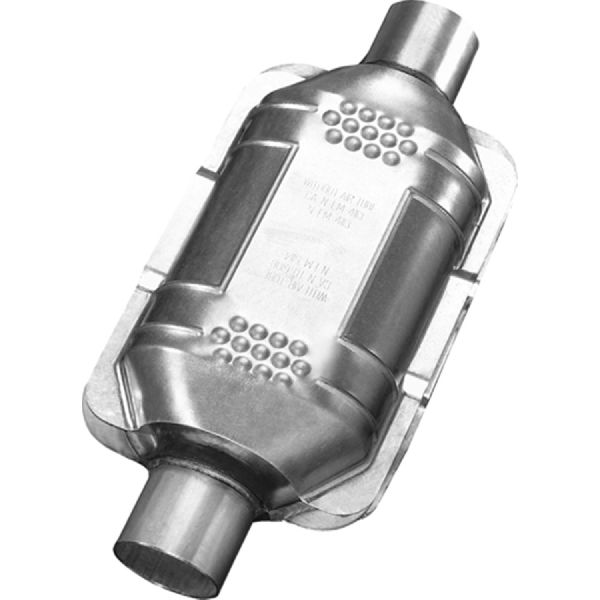
You'll also choose between direct-fit and universal converters. Direct-fit units are designed to bolt on with minimal modifications, saving labor time. Universal converters are cheaper but require cutting and welding for installation.
| Part Type | Estimated Cost |
|---|---|
| New Aftermarket Converter | $102.61 - $726.28 |
| New OEM Converter | $1,300+ |
| Shop Labor | $206 - $500+ |
Pro Tip: Find the Root Cause
Catalytic converters usually don't fail on their own. A misfiring engine, leaking fuel injector, or bad oxygen sensor can send unburned fuel into the exhaust, overheating and destroying the converter. Always diagnose and fix the underlying problem before installing a new converter, or you'll just ruin the new one.
Frequently Asked Questions
Will an aftermarket converter hurt my Corvette's performance?
A standard aftermarket converter shouldn't noticeably hurt performance on a stock vehicle. High-flow performance converters from brands like MagnaFlow may even offer a slight improvement in exhaust flow compared to restrictive OEM units. However, a clogged or failing converter will severely restrict performance.
Can I install a catalytic converter myself?
For an experienced DIY mechanic, this is possible. It requires safely lifting the vehicle, and may involve cutting exhaust pipes and welding or clamping the new part in place. Direct-fit models are easier, but rust and tight spaces can make it a difficult job. If you are not comfortable with this, professional installation is recommended.
Why did my original converter fail?
Failure is often caused by an engine issue. Common causes include a rich fuel mixture from a bad sensor or leaky injector, oil or coolant leaking into the exhaust, or engine misfires. Physical damage from road debris can also break the catalyst inside.
Should I replace my oxygen sensors with the converter?
It's highly recommended. Old oxygen sensors can become lazy or contaminated, sending incorrect information to the car's computer and potentially damaging the new converter. Replacing them at the same time ensures the whole system is working correctly.
Are there any recalls for the 1993-2000 Corvette catalytic converter?
No recalls were found specifically for catalytic converter failure on the 1993-2000 Corvette. However, GM has issued Technical Service Bulletins (TSBs) like #PIP5232C regarding premature catalytic converter failures on various gasoline vehicles, advising technicians to diagnose the root cause of failure, such as engine issues, before replacement.
Helpful Videos
Technical Specifications
OEM Part Numbers: 25129502 25129503 25153070 25129000
Vehicle-specific exhaust configuration for C4 (1993-1996) and C5 (1997-2000) generations. C4 models typically feature a dual pre-converter and single main converter setup. C5 models use a dual converter design integrated into the mid-pipe (H-pipe). Inlet/outlet diameters are typically 2.5 inches.
We Have This Part in Stock

The information in this article is provided for general reference and educational purposes only. Vehicle specifications, procedures, and part compatibility can vary by production date, trim level, and region. Always consult your vehicle's factory service manual and verify part numbers before purchasing or performing repairs. Safety-critical components such as airbags, seat belts, and braking systems should be installed by a qualified professional.
- Chevrolet Corvette: