

Choosing the Right HVAC Heater Hose for Your 1993-1998 Nissan Altima
Don't let a bad heater hose sideline your Altima; understand the symptoms and find the right replacement part.
- A leaking heater hose is a serious issue that can lead to engine overheating and should be addressed immediately.
- For this generation of Altima, high-quality aftermarket brands like Gates, Continental, and Dayco are excellent and affordable alternatives to OEM parts.
- Always replace heater hoses in pairs and use new clamps to ensure a reliable repair.
- Properly bleeding the cooling system after the repair is critical to remove air pockets and prevent overheating.
Symptoms of a Failing Heater Hose
On a first-generation Altima, heater hoses fail primarily due to age. The original rubber becomes hard, brittle, and cracked after decades of heat cycles. It can also swell or feel soft and spongy when squeezed. Be aware of these clear warning signs:
- Coolant Leaks: You might see puddles of green or orange fluid under your car, especially towards the back of the engine bay near the firewall.
- Sweet Smell: Antifreeze has a distinct sweet odor. Smelling this inside or outside your car is a sure sign of a leak.
- No Cabin Heat: If a hose is clogged or has a major leak, not enough hot coolant will reach the heater core, leaving you with cold air from the vents.
- Engine Overheating: This is the most critical symptom. A significant leak will lower the coolant level, risking severe engine damage. If your temperature gauge starts climbing, pull over immediately.
Warning: Do Not Ignore a Coolant Leak
A small drip can quickly turn into a major failure. Driving with a known coolant leak can lead to sudden engine overheating and catastrophic damage. It is not safe to drive if a heater hose is actively leaking.
Choosing the Right Aftermarket Heater Hose
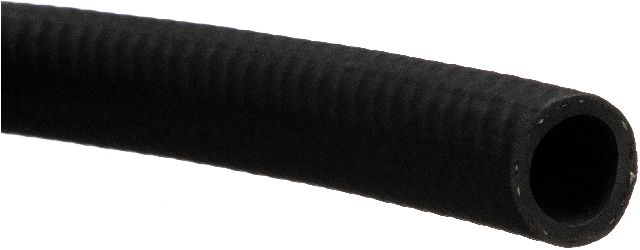
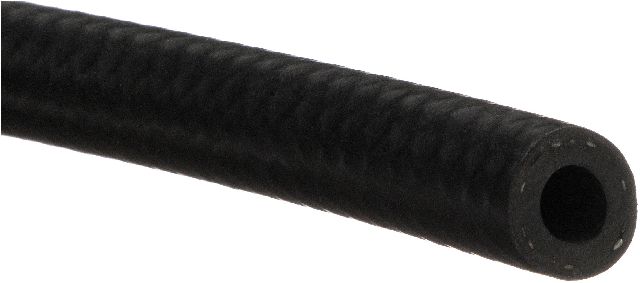
For a vehicle of this age, finding brand-new OEM (Original Equipment Manufacturer) hoses from Nissan can be difficult and expensive. High-quality aftermarket brands offer a reliable and cost-effective solution. All three of the following brands produce hoses designed to meet or exceed the original factory specifications.
Brand Quality Tiers
- Premium Tier (Gates, Continental): Both Gates and Continental are top-tier aftermarket brands, and they are often the original suppliers for many car manufacturers. Their hoses are known for using high-quality EPDM rubber that resists heat, ozone, and chemical degradation. You can trust either of these brands for a durable, long-lasting repair.
- Standard Tier (Dayco): Dayco is a well-respected and widely available brand that offers a great balance of quality and value. A Dayco molded heater hose is a solid choice for any daily-driven Altima and will provide reliable service.
Pro Tip: Molded vs. Straight Hose
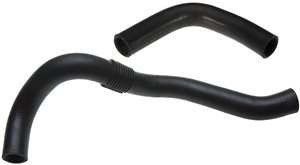
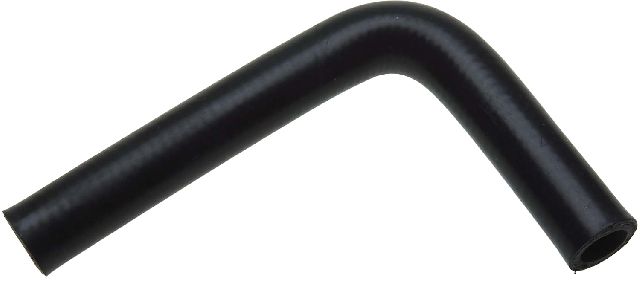
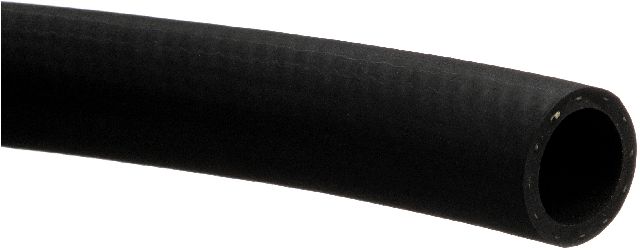
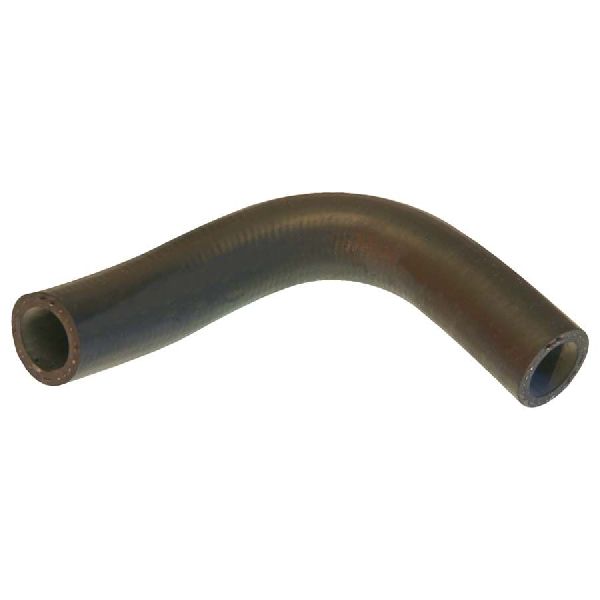
Always choose a "molded" hose for this repair. Molded hoses are pre-shaped with the correct bends to fit your Altima perfectly, preventing kinks that could restrict coolant flow. While some aftermarket hoses may require minor trimming to match the exact length of the old one, their molded shape is crucial for proper installation.
Estimated Replacement Costs
The cost to replace a heater hose on a 1993-1998 Altima is reasonable. The parts are affordable, and the labor is straightforward for a DIYer or a professional mechanic.
| Part or Service | Estimated Cost |
|---|---|
| New Aftermarket Heater Hose | $11.67 - $96.86 |
| Shop Labor | $150 - $300 |
| Total Professional Repair | $162 - $397 |
Frequently Asked Questions (FAQ)
Should I replace both heater hoses at the same time?
Yes. If one hose has failed due to age, the other is likely not far behind. Replacing both at the same time is a smart preventative measure and saves you from having to do the same job twice.
Do I need special tools to replace the heater hoses?
Basic hand tools like screwdrivers and pliers will work, but a pair of spring clamp pliers makes removing the original clamps much easier. You will also need a drain pan to catch the old coolant.
Why is my car overheating after I replaced the hose?
The most common reason is air trapped in the cooling system. The system must be properly "bled" to remove all air pockets after being refilled with coolant. An air pocket can prevent coolant from circulating and lead to overheating or a lack of cabin heat.
Can I reuse the old hose clamps?
It is highly recommended to use new hose clamps. The original spring-style clamps can lose tension over time. New worm-gear or spring clamps are inexpensive and ensure a tight, leak-free seal.
Technical Specifications
OEM Part Numbers: 92410-1E400 92410-D9000 92400-1E400 92400-D9000 92408-1E401 92408-2B000
Material: EPDM Rubber; Type: Molded
We Have This Part in Stock

The information in this article is provided for general reference and educational purposes only. Vehicle specifications, procedures, and part compatibility can vary by production date, trim level, and region. Always consult your vehicle's factory service manual and verify part numbers before purchasing or performing repairs. Safety-critical components such as airbags, seat belts, and braking systems should be installed by a qualified professional.
- Nissan Altima: