

Engine Coolant Temperature Sensor Guide for the 1993 Asuna Sunfire
Solve poor fuel economy and erratic engine behavior by choosing the right replacement coolant temperature sensor for your Sunfire.
- A bad ECT sensor on your Sunfire will likely cause a Check Engine Light with OBD-I Code 22.
- Symptoms include poor gas mileage, black exhaust smoke, and potential engine overheating.
- Replacement is a simple, 30-minute job that is feasible for a DIY mechanic.
- Investing in a premium aftermarket brand like ACDelco or Standard Ignition is recommended for accuracy and longevity.
Is a Bad Engine Coolant Temperature Sensor Causing Your Problems?
The Engine Coolant Temperature (ECT) sensor on your 1993 Asuna Sunfire is a small but mighty part. Because it's a rebadged Geo Storm, which is based on an Isuzu, it uses specific components that the engine's computer relies on. When this sensor fails, it often sends a false signal that the engine is cold, even when it's fully warmed up. This can lead to a host of problems that can be frustrating to diagnose. Understanding the symptoms is the first step to getting your car running right again.
Symptoms of a Failing ECT Sensor
A bad ECT sensor can make your car act unpredictably. Here are the most common signs to watch for:
- Check Engine Light: This is often the first indicator. For a 1993 model, you'll likely get an OBD-I Trouble Code 22, which points directly to a fault in the ECT sensor circuit.
- Poor Fuel Economy: If the ECU thinks the engine is always cold, it will continuously inject extra fuel (running "rich"). This will cause you to use significantly more gasoline.
- Black Smoke from Exhaust: This is a direct result of the rich fuel mixture. Unburned fuel is pushed out through the exhaust, creating visible black smoke.
- Engine Overheating: The ECT sensor is responsible for telling the cooling fans when to turn on. If it fails to send the signal, the fans won't activate in traffic or at idle, causing the engine to overheat.
- Hard Starting: The engine may be difficult to start, especially when it's already warm, because the fuel mixture is incorrect for the actual engine temperature.
OEM vs. Aftermarket Quality
For a critical sensor like the ECT, quality matters. While original OEM parts for a 1993 vehicle are scarce, premium aftermarket brands often meet or exceed original specifications. Cheaper, budget-friendly sensors are known to have issues with accuracy right out of the box, leading to the same performance problems you were trying to fix. Investing in a quality sensor from a reputable brand is highly recommended to ensure accurate temperature readings and avoid having to do the job twice.
Choosing the Right Aftermarket Sensor
With several brands available, it's important to choose wisely. We can group them into tiers based on reputation and reliability.
- Premium Brands ($30 - $46): ACDelco and Standard Ignition (SMP) are top-tier choices. ACDelco is GM's own parts brand and is considered an OEM-equivalent for your Asuna/Geo. Standard Ignition is a highly respected aftermarket manufacturer known for producing reliable electronic components. For peace of mind, choosing one of these brands is your best bet.
- Standard Brands ($20 - $30): Brands like Four Seasons and Motorad fall into this category. They are generally reliable for the price and offer a good balance between cost and quality for many common repairs.
- Budget Brands ($12 - $20): A brand like True Tech fits into the value-oriented category. While the low price is appealing, be aware that budget sensors carry a higher risk of inaccurate readings or premature failure.
| Brand Tier | Price Range (Part Only) |
|---|---|
| Premium (ACDelco, Standard Ignition) | $30.00 - $45.84 |
| Standard (Four Seasons, Motorad) | $20.00 - $29.99 |
| Budget (True Tech) | $12.58 - $19.99 |
Pro Tip: While replacing the sensor, you will lose a small amount of coolant. It's a good idea to have some fresh, compatible coolant on hand to top off the system after the replacement is complete. Also, inspect the electrical connector for corrosion or damage before installing the new sensor.
Frequently Asked Questions
Where is the ECT sensor located on the 1993 Asuna Sunfire?
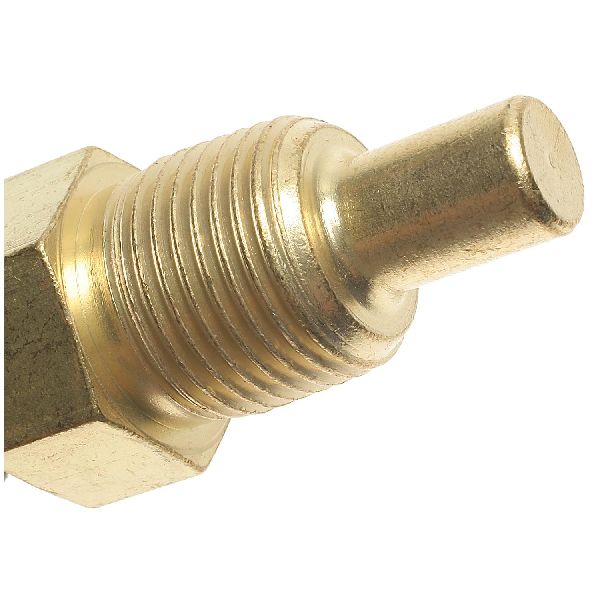
The ECT sensor is typically screwed into the engine's thermostat housing or directly into the cylinder head. To find it, follow the large upper radiator hose from the radiator back to the engine. The sensor will be a small brass or plastic component with a 2-wire electrical connector nearby.
Can I replace the ECT sensor myself?
Yes, this is a very DIY-friendly job. It usually requires only basic hand tools like a deep socket and wrench. The process involves unplugging the electrical connector, unscrewing the old sensor, quickly screwing in the new one to minimize coolant loss, and reconnecting the plug. The entire job can typically be done in under 30 minutes.
What happens if I don't replace a bad ECT sensor?
Ignoring a faulty ECT sensor can lead to more serious issues. Persistently running a rich fuel mixture can foul spark plugs and damage the catalytic converter over time. More critically, if the sensor fails to activate the cooling fans, you risk severe engine damage from overheating.
Does my car have more than one temperature sensor?
Yes, most vehicles of this era have two separate temperature-related sensors. One is the ECT sensor, which sends information to the engine computer. The other is the temperature *sender* or *switch*, which solely operates the temperature gauge on your dashboard. It's possible for your gauge to read normally while the ECT sensor for the computer is faulty, and vice-versa.
Technical Specifications
OEM Part Numbers: 8942058660
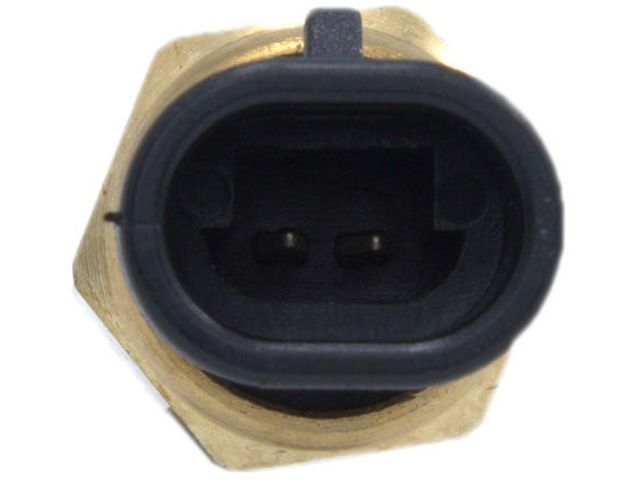
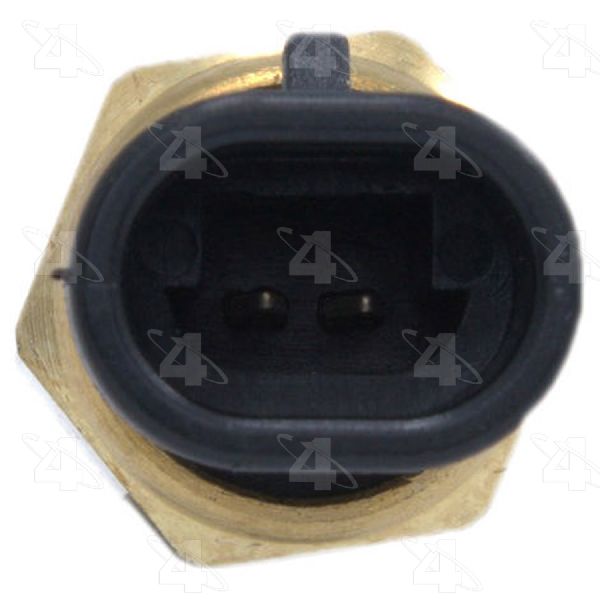
Connector Type: 2-Pin Blade Connector.
We Have This Part in Stock


The information in this article is provided for general reference and educational purposes only. Vehicle specifications, procedures, and part compatibility can vary by production date, trim level, and region. Always consult your vehicle's factory service manual and verify part numbers before purchasing or performing repairs. Safety-critical components such as airbags, seat belts, and braking systems should be installed by a qualified professional.
- Asuna Sunfire: