

1993 Asuna SE Engine Coolant Temperature Sensor: A Comprehensive Guide
Solve common engine problems like poor fuel economy and overheating by understanding this critical sensor.
- The 1993 Asuna SE is a rebadged Isuzu/Geo, so searching for parts for a Geo Storm or Isuzu Impulse will yield more results.
- A faulty ECT sensor can cause serious engine damage from overheating, a known issue for these cars. Do not delay replacement.
- Choose a quality aftermarket brand like NGK or Standard Ignition for this critical sensor to ensure reliability.
- Replacement is a simple DIY job for those with basic tools, but requires partially draining the coolant first.
Understanding the Asuna SE and its Parts
The 1993 Asuna SE is a unique vehicle sold in Canada. It's important to know that it shares its platform and many parts with the Isuzu Impulse and the Geo Storm. This means that when searching for information or parts, looking for these models can often provide more results. For a 30-year-old car, original OEM (Original Equipment Manufacturer) parts are nearly impossible to find. Aftermarket parts are the most realistic and available option for keeping your Asuna on the road.
Symptoms of a Failing Coolant Temperature Sensor
A bad ECT sensor can cause a variety of confusing problems. Because the sensor sends incorrect information to the engine's computer, the engine may not run as it should. Here are the most common signs of failure:
- Check Engine Light: The most common symptom. The computer will detect a voltage reading from the sensor that is out of the normal range and trigger a light.
- Poor Fuel Economy: If the sensor tells the computer the engine is cold when it's not, the computer will enrich the fuel mixture, leading to wasted gas and sometimes black smoke from the exhaust.
- Engine Overheating: If the sensor fails to report that the engine is getting hot, the cooling fans may not turn on when needed. This is a serious issue that can lead to major engine damage.
- Rough Idle or Hard Starting: The engine may be hard to start when cold or may run roughly because the computer is using the wrong fuel and timing settings based on the faulty temperature reading.
Critical Failure Warning
Overheating is a major risk with a failed ECT sensor. On the related Geo Storm, a failed thermostat or sensor is a common cause of warped cylinder heads, which is a very expensive repair. Do not ignore overheating symptoms.
Choosing the Right Aftermarket Sensor
With several brands available, choosing the right one can feel confusing. For a critical sensor like the ECT, quality matters. Here’s a breakdown of the available brands:
- Premium Tier (NGK, Standard Ignition): NGK (under their NTK brand) and Standard Motor Products (Standard Ignition) are well-respected names in the aftermarket for engine sensors. They engineer their parts to meet or exceed original specifications and perform extensive testing. Choosing one of these brands is a safe bet for reliability and accurate readings.
- Standard Tier (Four Seasons, Motorad): Four Seasons is a well-known brand, primarily for A/C and cooling system components. Their sensors are generally considered reliable direct-fit replacements. Motorad also produces parts that meet OEM specifications and are a common choice in auto parts stores. Reviews for Motorad can be mixed, with some users preferring OEM when possible.
- Value Tier (Standard Wires, True Tech): These brands often represent the most budget-friendly options. While they may function correctly, their long-term durability and the precision of their temperature readings may not match the higher-tier brands. For a sensor that plays a key role in engine management, it's often worth spending a few extra dollars for a more established brand.
Pro Tip: Check the Connector
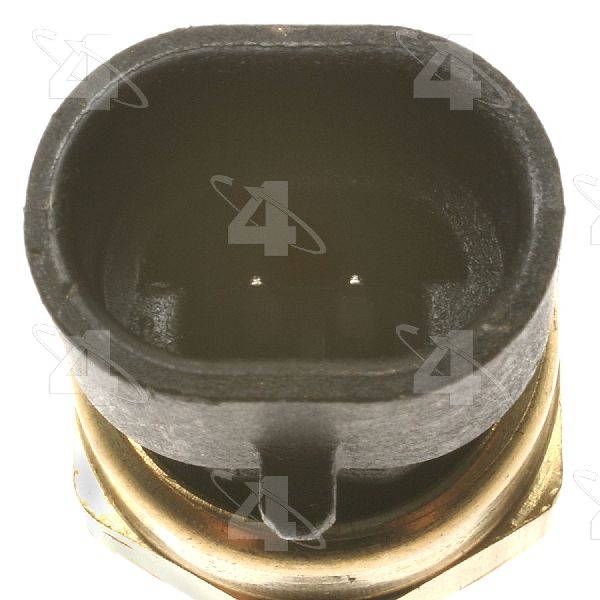
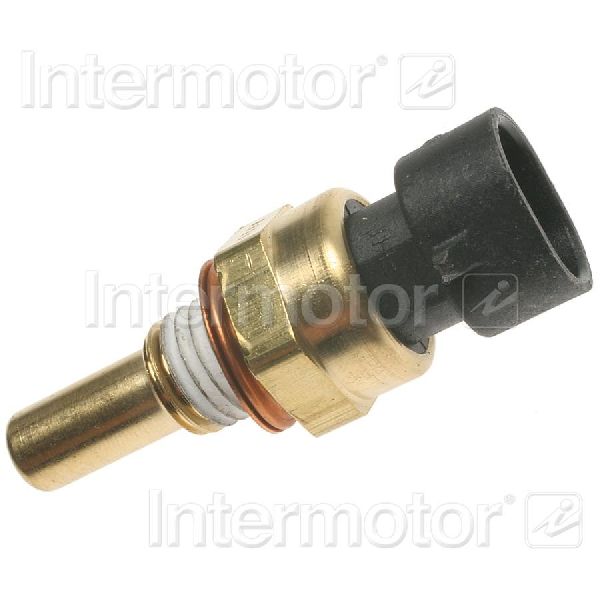
Before ordering, visually inspect the electrical connector on your Asuna's current sensor. Make sure the new part has the same connector shape and number of pins to ensure a perfect fit.
Estimated Costs for Replacement
| Part/Service | Estimated Cost |
|---|---|
| New Aftermarket Part | $16.81 - $31.90 |
| Shop Labor | $60 - $120 |
| Total Professional Replacement | $77 - $152 |
Frequently Asked Questions (FAQ)
Where is the ECT sensor located on the 1993 Asuna SE?
On the related Isuzu engines, the ECT sensor is typically located near the thermostat housing, screwed into a coolant passage on the engine block or cylinder head. You will see a small sensor with an electrical connector attached. You may need to follow the upper radiator hose to the engine to find the thermostat housing area.
Do I need to drain the coolant to replace the sensor?
Yes, you will need to drain some coolant from the radiator before removing the old sensor. If you don't, coolant will spill out of the sensor port when you remove it. It's a good idea to have the new sensor ready to install quickly to minimize coolant loss. Always make sure the engine is completely cool before opening the cooling system.
What happens if I don't replace a bad ECT sensor?
Ignoring a faulty ECT sensor can lead to poor fuel economy, failed emissions tests, and rough engine performance. The most severe risk is engine overheating, which can cause catastrophic damage like a warped cylinder head, a known issue on these engines. It is not a repair that should be delayed.
Can I test my old sensor before replacing it?
Yes. The ECT sensor is a thermistor, which means its electrical resistance changes with temperature. You can test it with a multimeter set to measure ohms. The resistance should be high when the engine is cold and decrease smoothly as the engine warms up. You can also use a scan tool to watch the temperature reading the computer sees. If it shows an illogical temperature (like -40°F or 300°F on a cold engine), the sensor or its wiring is bad.
Technical Specifications
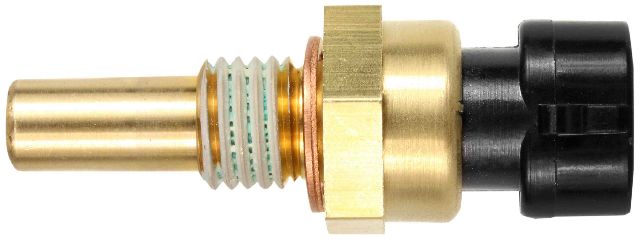
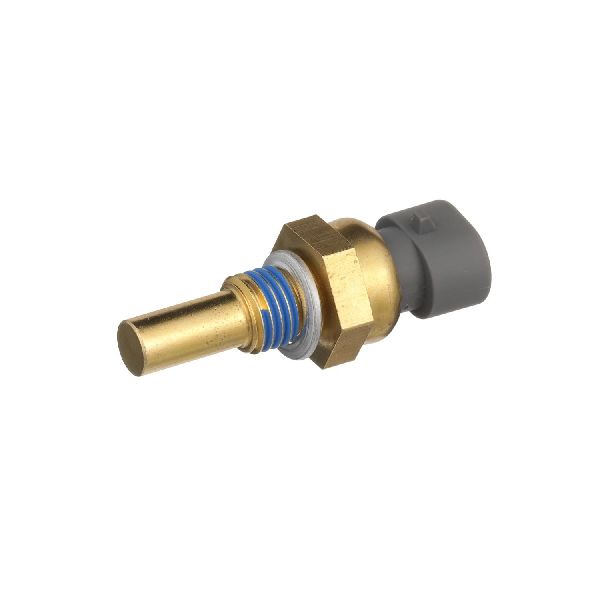
The sensor is a two-terminal thermistor that changes resistance based on coolant temperature. It is typically made of brass and threads into a coolant passage near the thermostat housing.
We Have This Part in Stock


The information in this article is provided for general reference and educational purposes only. Vehicle specifications, procedures, and part compatibility can vary by production date, trim level, and region. Always consult your vehicle's factory service manual and verify part numbers before purchasing or performing repairs. Safety-critical components such as airbags, seat belts, and braking systems should be installed by a qualified professional.
- Asuna SE: