

1993 Asuna GT Engine Coolant Temperature Sensor Replacement Guide
Everything you need to know about choosing and replacing the engine coolant temperature sensor on your Asuna GT.
- A failing ECT sensor can cause poor fuel economy, overheating, rough idle, and a check engine light.
- This is an easy and inexpensive DIY replacement for most owners; the sensor is usually near the thermostat housing.
- For best results, choose a reputable aftermarket brand like NGK or Standard Ignition.
- There are no known recalls or TSBs for this specific issue on the Asuna GT.
Is Your Asuna GT's Engine Acting Up? It Could Be the Coolant Temp Sensor
The 1993 Asuna GT, a unique rebadge of the Isuzu Impulse, relies on precise data to keep its 1.6L or 1.8L engine running smoothly. The Engine Coolant Temperature (ECT) sensor is a key player in this system. When it starts to fail, it sends incorrect information to your car's computer, leading to a variety of problems that can be frustrating to diagnose. Since this is an older vehicle, symptoms may appear gradually before becoming a major issue.
Symptoms of a Failing ECT Sensor
A bad ECT sensor can make your car's computer think the engine is always cold or always hot, regardless of its actual temperature. Here are the most common signs to watch for:
- Check Engine Light: This is often the first warning sign. The computer will detect a signal from the sensor that is outside its expected range and trigger a fault code.
- Poor Fuel Economy: If the sensor incorrectly tells the computer the engine is always cold, the computer will continuously inject extra fuel, hurting your gas mileage.
- Rough Idle or Stalling: An incorrect fuel mixture can cause the engine to idle erratically, hesitate, or even stall, especially once it has warmed up.
- Engine Overheating: The ECT sensor helps control when the electric cooling fans turn on. If it fails, the fans may not activate when needed, causing the engine to overheat.
- Black Smoke from Exhaust: A constantly rich fuel mixture (too much fuel, not enough air) can result in black smoke coming from the tailpipe.
- Hard Starting: The engine relies on the ECT sensor for the correct fuel mixture during startup. A bad sensor can make the car difficult to start, whether the engine is hot or cold.
Choosing the Right Aftermarket Sensor for Your Asuna GT
Since finding an original OEM Isuzu sensor can be difficult, the aftermarket is your most likely source. However, quality varies between brands, and for a critical sensor like the ECT, choosing a reliable part is important to avoid future headaches. Based on general brand reputation, here is a breakdown of the available options:
| Brand Tier | Brands | General Assessment |
|---|---|---|
| Top Tier | NGK, Standard Ignition (SMP) | These brands have a strong reputation for producing sensors that meet or exceed original equipment specifications. NGK's sensor division is NTK, which is highly regarded. Standard is a trusted name in aftermarket electronics. Choosing from this tier is your best bet for reliability and longevity. |
| Mid Tier | Motorad, Four Seasons | Motorad specializes in cooling system components and produces reliable parts. Four Seasons is also a known brand. These are generally a good balance of cost and quality for a daily driver. |
| Economy Tier | Standard Wires, True Tech | These brands are typically the most affordable. While they can work, they may not have the same durability or precise calibration as higher-tier options, which can sometimes lead to issues sooner. For a critical sensor, it's often worth spending a few extra dollars for a better part. |
Known Issues, Recalls, or TSBs
Searches of the National Highway Traffic Safety Administration (NHTSA) database and other sources show no specific recalls or Technical Service Bulletins (TSBs) for the 1993 Asuna GT or its Isuzu Impulse counterpart related to the engine coolant temperature sensor. Any issues you experience are likely due to the age and normal wear of the component.
Frequently Asked Questions (FAQ)
Where is the ECT sensor located on the 1993 Asuna GT?
On the Isuzu-based 1.6L and 1.8L engines, the ECT sensor is typically screwed into the cylinder head or thermostat housing. Look for a small sensor with an electrical connector near where the upper radiator hose connects to the engine.
Is this a difficult part to replace myself?
No, this is a straightforward DIY job for most home mechanics. The process involves letting the engine cool completely, disconnecting the battery, unplugging the sensor, and using a deep socket or wrench to unscrew it. Be prepared for a small amount of coolant to spill when you remove the old sensor.
Do I need to drain the coolant to replace the sensor?
You don't have to drain the entire system. However, some coolant will leak out from the sensor's location when it's removed. You can minimize the loss by having the new sensor ready to screw in immediately after removing the old one. Always top off the coolant level after the replacement.
Should I replace the thermostat at the same time?
It's a good idea. The thermostat is another low-cost part located nearby that can cause similar cooling system problems. Replacing both at the same time is a good preventative measure, especially on an older vehicle.
Technical Specifications
OEM Part Numbers: 8942058660 8943773730
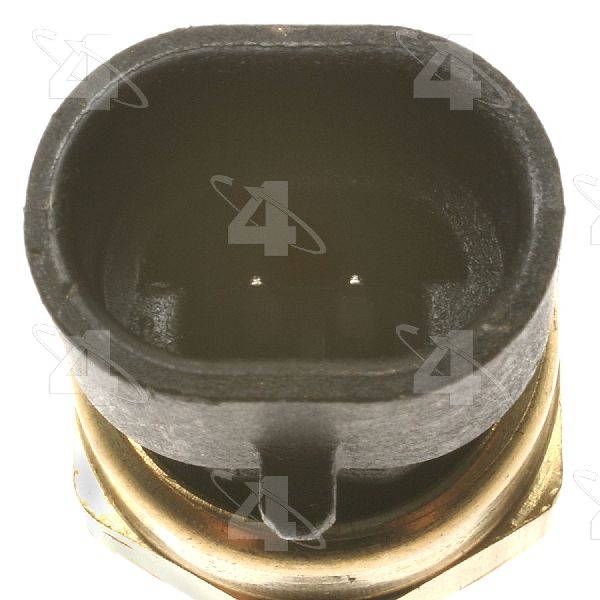
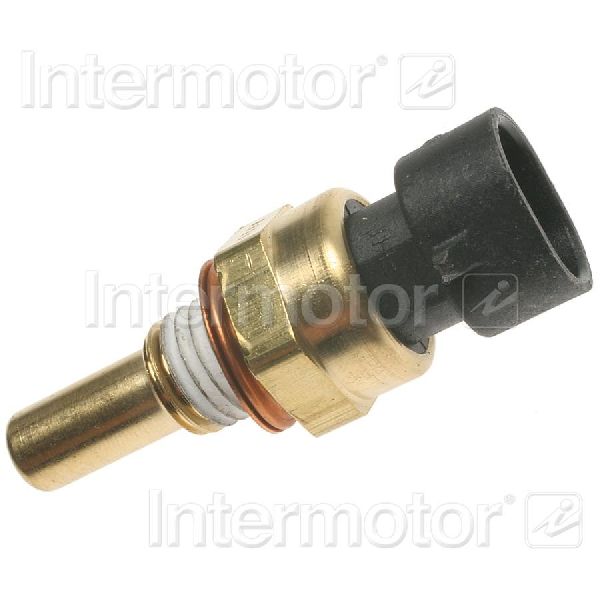
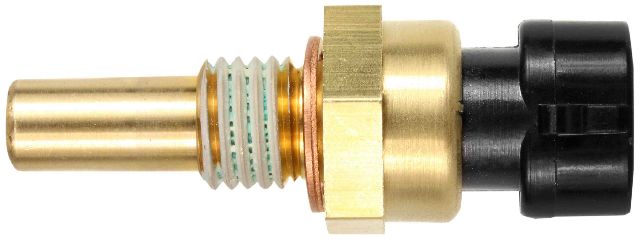
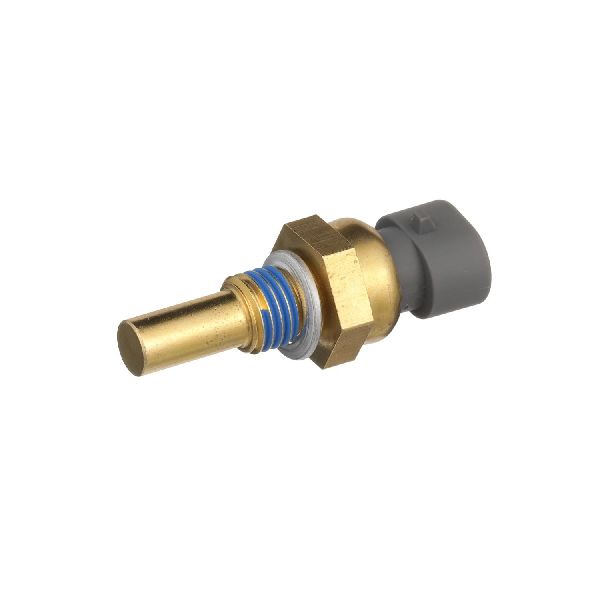
The sensor is a thermistor, meaning its electrical resistance changes with temperature. It typically has a 1 or 2-pin electrical connector and screws into a coolant passage on the engine.
We Have This Part in Stock


The information in this article is provided for general reference and educational purposes only. Vehicle specifications, procedures, and part compatibility can vary by production date, trim level, and region. Always consult your vehicle's factory service manual and verify part numbers before purchasing or performing repairs. Safety-critical components such as airbags, seat belts, and braking systems should be installed by a qualified professional.
- Asuna GT: