

A Guide to Spark Plugs for the 1992-2003 Lexus ES300
Choosing the right spark plugs is critical for your ES300, especially since half of them are notoriously difficult to replace.
- Only use Denso or NGK brand spark plugs; other brands, especially Bosch, are known to cause running issues in this engine.
- The three rear spark plugs are extremely difficult to access, so it is best to use long-life Iridium plugs to maximize the time between changes.
- Replacing the rear plugs may not require removing the intake manifold on 1997-2003 models, but it demands special tools like wobbly sockets and extensions.
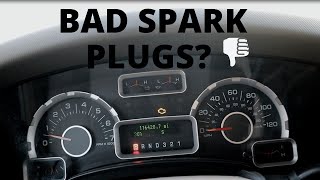
- Common failure symptoms include a rough idle, engine misfires (Check Engine Light P0300-P0306), and poor fuel economy.
Symptoms of Failing Spark Plugs

When your spark plugs are worn out, they can't create a strong, consistent spark. You will likely notice one or more of these signs:
- Rough Idle: The engine may shake or vibrate more than usual when you're stopped.
- Engine Misfires: You might feel a hesitation or stumble during acceleration. This can trigger the Check Engine Light with codes from P0300 to P0306.
- Reduced Fuel Economy: Inefficient combustion means your engine uses more fuel to produce the same amount of power.
- Poor Acceleration: The car may feel sluggish or slow to respond when you press the gas pedal.
- Difficulty Starting: Weak or inconsistent spark can make it harder for the engine to fire up.
Generation Differences & Installation Challenges

The 1992-2003 ES300 used two different V6 engines, and this affects the spark plug job:
- 1992-1996 (3VZ-FE Engine): On these earlier models, replacing the three rear spark plugs often requires removing the upper intake manifold to gain access. This adds significant time and complexity to the job.
- 1997-2003 (1MZ-FE Engine): This is the more common engine. The three rear spark plugs (Cylinders 1, 3, 5) are located under the intake plenum, against the firewall. While challenging, many owners have successfully replaced them without removing the intake by using a specific combination of tools like long extensions and wobbly sockets. The front three plugs (Cylinders 2, 4, 6) are very easy to access on all models.
The Infamous Rear Plugs
The difficulty of accessing the three rear spark plugs cannot be overstated. It is a tight, blind job that requires patience and the right tools. Because of this high labor cost (whether your own time or a mechanic's), it is strongly recommended to use the highest quality, longest-lasting spark plugs available to avoid doing the job again for another 100,000 miles.
Choosing the Right Aftermarket Spark Plug

For this specific vehicle, brand choice is extremely important. Lexus/Toyota engines of this era are known to be sensitive to spark plug brands.
Tier 1: OEM Equivalent (Highly Recommended)
Brands: Denso, NGK
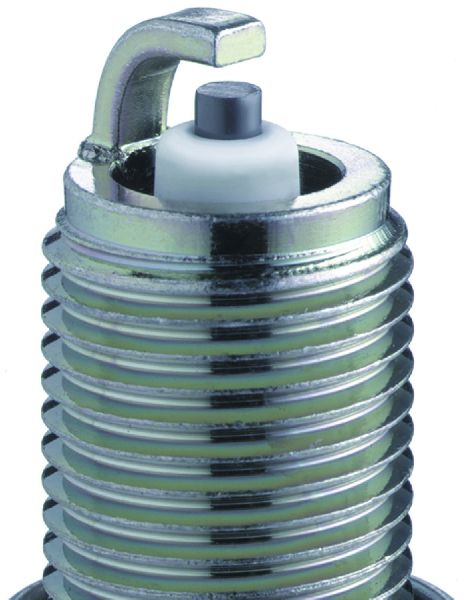
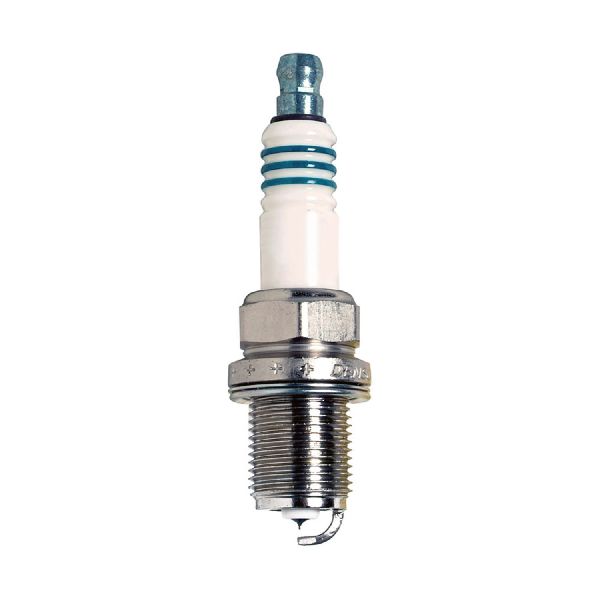
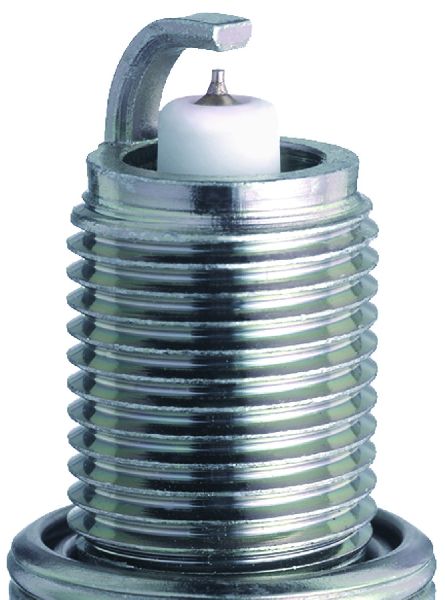
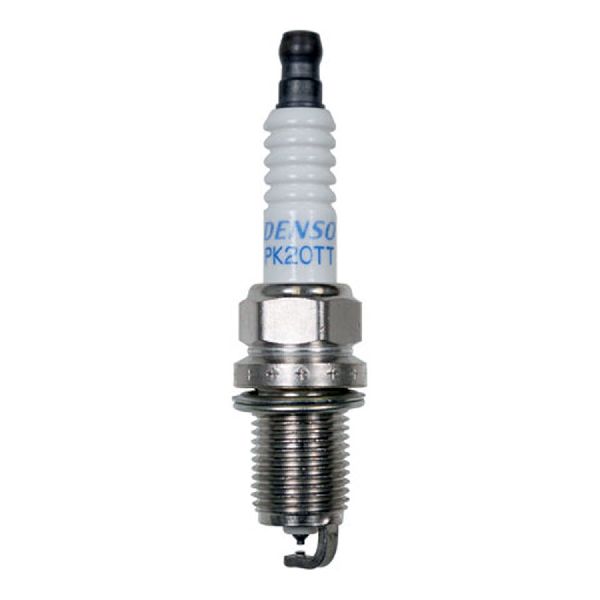
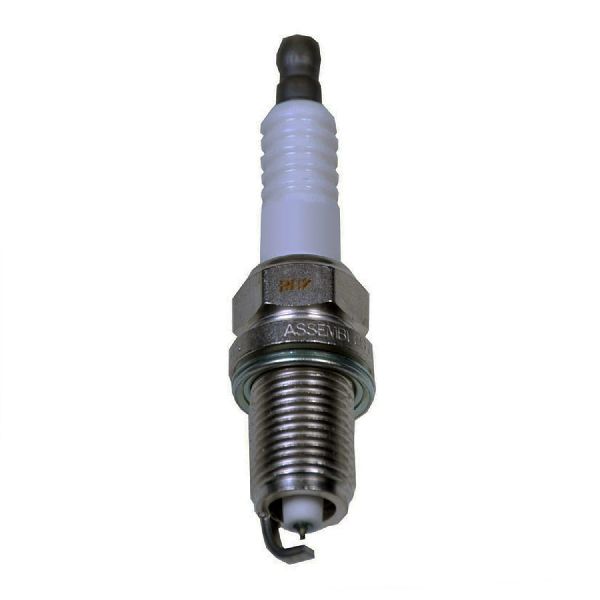
Denso and NGK are the original equipment (OE) suppliers for Lexus. You cannot go wrong with these brands. Forum members and professional mechanics overwhelmingly recommend sticking with them for reliable performance and longevity. Many ES300s left the factory with Iridium plugs, and using Denso Iridium or NGK Iridium IX plugs is the best choice, especially given the labor to change the rear bank.
Tier 2: Reputable Aftermarket
Brands: Autolite, Bosch
While these brands make quality parts, there is a strong consensus in the Lexus community to avoid Bosch spark plugs for this engine. Numerous owners report experiencing rough running and misfires immediately after installing Bosch plugs, even their high-end iridium models. Autolite's premium Iridium plugs may perform adequately, but they do not have the proven track record of Denso and NGK in these specific engines.
Tier 3: Budget Options
Brands: Champion, Skyward
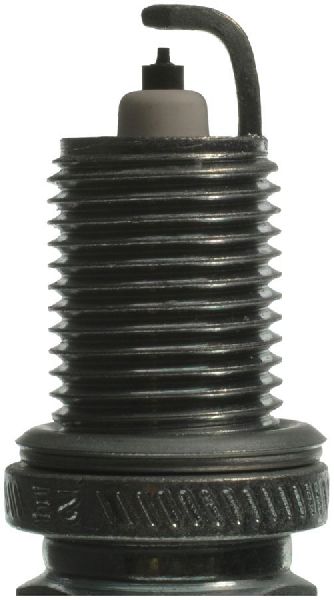
These brands offer basic, low-cost spark plugs, often made of copper or standard platinum. While they will function, their service life is significantly shorter than iridium plugs. Using budget plugs is not recommended for the ES300, as you will have to repeat the difficult rear plug replacement much sooner.
Pro Tip: Tools and Supplies
For a successful replacement, you will need a 5/8" spark plug socket with a rubber insert, a ratchet, and a variety of extensions (3-inch and 6-inch are common) and a universal or 'wobbly' joint. Applying a small amount of anti-seize compound to the new plug's threads is recommended to prevent them from seizing in the aluminum cylinder head. A dab of dielectric grease inside the ignition coil boot helps seal out moisture.
Aftermarket vs. OEM Spark Plug Cost

| Part Type | Price Range (Set of 6) | Notes |
|---|---|---|
| New Aftermarket | $21 - $124 | Price depends heavily on material (Copper, Platinum, Iridium). Denso and NGK Iridium are at the higher end but are the recommended choice. |
| New OEM (Dealer) | $90 - $180 | These will be Denso or NGK plugs in a Lexus box. You can get the same plugs from an auto parts store for less. |
| Shop Labor | $200 - $450 | Labor costs vary widely based on whether the mechanic removes the intake manifold. |
Frequently Asked Questions
Do I really have to remove the intake manifold to change the rear plugs?
On 1997-2003 models with the 1MZ-FE engine, it is often possible to change the rear plugs without removing the manifold, but it requires specific tools and patience. For the earlier 1992-1996 3VZ-FE engine, removing the manifold is more commonly required.
Why do people say not to use Bosch plugs in my Lexus?
Many Lexus and Toyota owners have reported issues like rough idling and misfires after installing Bosch spark plugs, even when they are the correct part number. The general advice is to stick with the OE brands, Denso and NGK, which are proven to work flawlessly.
What's the difference between Platinum and Iridium plugs?
Iridium is a harder, more durable precious metal than platinum. Iridium spark plugs have a finer center electrode, which allows for a more focused and consistent spark. They also last much longer—often up to 100,000-120,000 miles, compared to 60,000 for platinum. Given the labor involved, iridium plugs are the best investment for the ES300.
Do I need to gap the new spark plugs?
Most high-quality iridium and platinum plugs come pre-gapped from the factory. However, it is always a good practice to check the gap with a feeler gauge before installation to ensure it wasn't changed during shipping. The correct gap for most ES300 models is 0.043 inches (1.1mm). Be careful not to damage the fine iridium tip when checking.
Helpful Videos
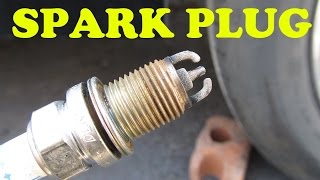
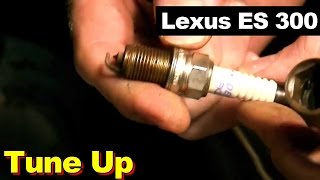
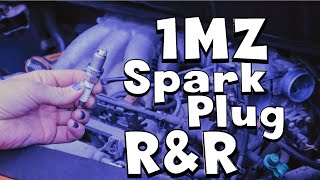
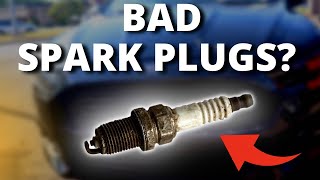
Technical Specifications
OEM Part Numbers: 90919-01192 90919-01210 90919-01178
Engine uses 6 spark plugs. Recommended type is Iridium or dual-electrode Platinum, depending on the year. The spark plug gap is typically 0.043" (1.1mm). Torque specification is approximately 13 ft-lbs.
We Have This Part in Stock

The information in this article is provided for general reference and educational purposes only. Vehicle specifications, procedures, and part compatibility can vary by production date, trim level, and region. Always consult your vehicle's factory service manual and verify part numbers before purchasing or performing repairs. Safety-critical components such as airbags, seat belts, and braking systems should be installed by a qualified professional.
- Lexus ES300: