

A Guide to Spark Plugs for the 1992-2003 Dodge Dakota
Keep your Dakota's engine firing on all cylinders with the right set of spark plugs.
- For V6 and V8 Magnum engines, standard copper spark plugs from brands like Champion or NGK are often the most reliable choice.
- Always check and adjust the spark plug gap before installation, typically to 0.040 inches.
- If replacing wires on a V6 or V8, be aware of TSB 18-48-98 which details a specific wire routing to prevent misfires.
- Replacing spark plugs is a manageable DIY job, but the rear plugs on V-type engines can be difficult to access.
Understanding Spark Plugs in Your Dakota

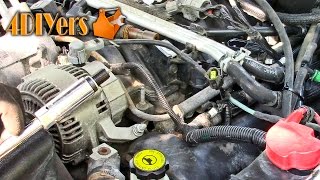
The spark plugs in your 1992-2003 Dodge Dakota are essential for engine performance, whether you have the 2.5L 4-cylinder, the 3.9L V6, or the powerful 🎬 Watch: Step-by-step spark plug and wire replacement for 3.9L V6 engines. 5.2L and 5.9L Magnum V8s. A good set of plugs ensures complete fuel combustion, which translates to better horsepower, torque, and fuel mileage. Over time, the electrodes on the plugs wear down, increasing the gap the spark has to jump. This weakens the spark and leads to the common symptoms of a needed tune-up.
A Note on Magnum Engines
The V6 and V8 Magnum engines in this generation of Dakota are known to be particular about spark plugs. Many owners and mechanics have found that these engines perform best with basic copper core spark plugs, like the original equipment Champion plugs. While more expensive platinum or iridium plugs offer a longer life, they can sometimes cause rough idling or misfires in these specific engines. Sticking with the OEM-style copper plugs is often the most reliable choice.
Symptoms of Failing Spark Plugs

- Rough Idle: One of the most common signs is an engine that shakes or vibrates more than usual when stopped.
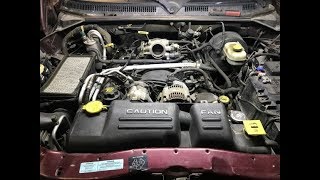
- Engine Misfires: You may feel a hesitation or stumble during acceleration. The check engine light may also come on, with codes indicating a misfire on one or more cylinders (e.g., P0300-P0308). 🎬 See how to diagnose rough idle and misfire codes on 4.7L models.
- Reduced Power: Worn plugs can't ignite the fuel mixture efficiently, leading to a noticeable drop in acceleration and towing power.
- Poor Fuel Economy: If you're stopping for gas more often, failing spark plugs could be the culprit. Inefficient combustion means you're wasting fuel.
- Difficulty Starting: A weak spark can make it harder for the engine to fire up, especially in cold weather.
Choosing the Right Aftermarket Spark Plugs

With many brands available, it can be confusing. For the Dakota, it's best to categorize them by material and reputation among owners.
Brand & Material Tiers
Tier 1: Recommended for OEM-like Performance (Copper)
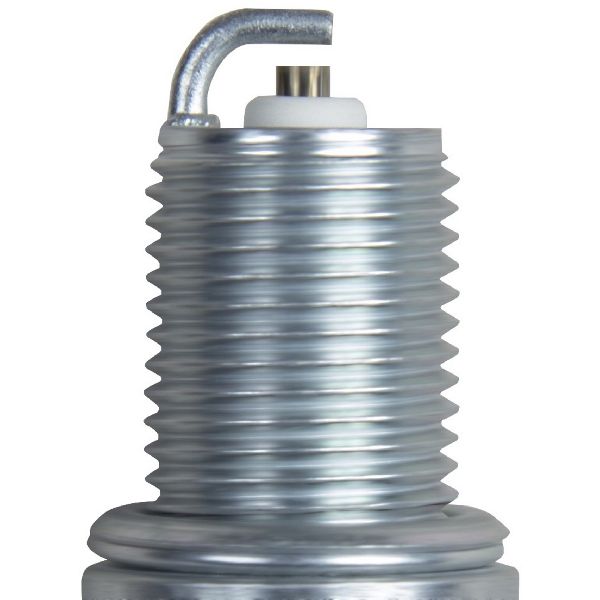
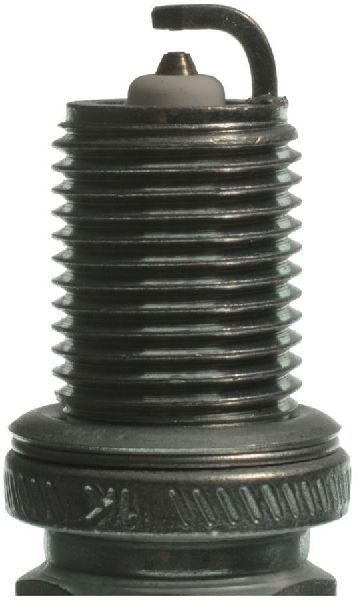
- Champion: As the original equipment supplier for many of these trucks, Champion Copper Plus plugs are a go-to choice for reliability and correct performance in Magnum engines. They are affordable but have a shorter service life (around 30,000 miles).
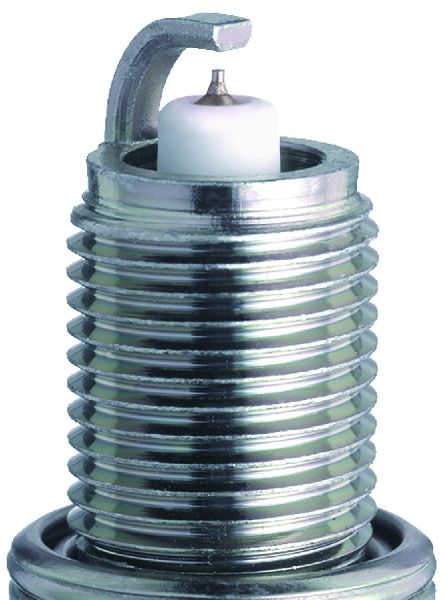
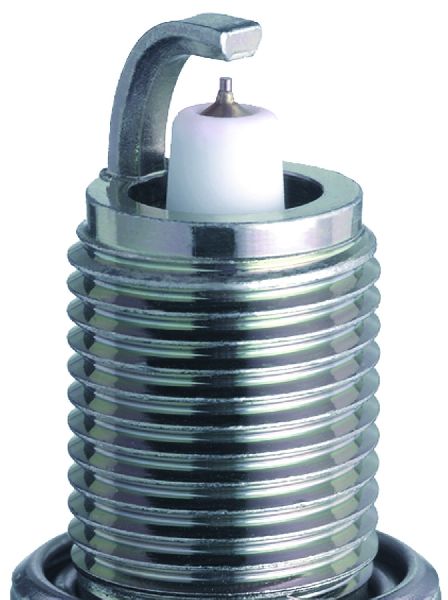
- NGK (V-Power): NGK's standard copper plugs are highly regarded by many Dakota owners as a top alternative to Champion. They provide excellent performance and are often praised for their quality construction.
- Autolite (Copper): Another solid, budget-friendly choice that performs well in these engines. Some users prefer a slightly colder heat range plug like the Autolite 3923 to help reduce potential pinging.
Tier 2: Long-Life Options (Use with Caution)
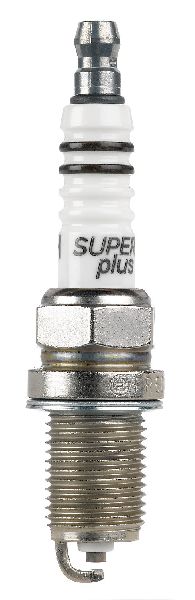
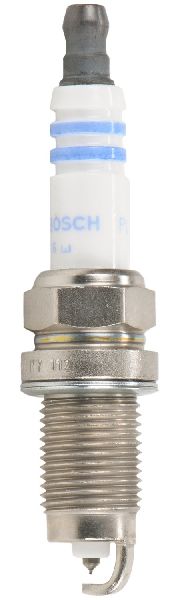
- NGK (G-Power Platinum), Bosch (Platinum), Autolite (Platinum): These single platinum plugs offer a longer lifespan than copper plugs. While they can work, it's important to monitor engine performance, as some Magnum engines don't respond as well to them.
- Denso, ACDelco: These brands also offer quality copper and platinum plugs that are suitable alternatives.
Tier 3: High-Performance / Extended Life (Iridium)
- NGK (Iridium IX), Bosch (Double Iridium), Autolite (Iridium XP): These are the most expensive and longest-lasting plugs. However, they are often considered unnecessary and potentially problematic for the 1992-2003 Dakota's ignition system, which was designed for copper plugs. Unless you have a heavily modified engine, it's usually best to stick with copper or platinum.
Aftermarket Spark Plug Cost

| Plug Type | Price Range (Per Plug) | Typical Lifespan |
|---|---|---|
| Copper (Champion, NGK V-Power, Autolite) | $3 - $5 | ~30,000 miles |
| Platinum (Bosch, NGK G-Power, Autolite) | $5 - $15 | ~60,000 miles |
| Iridium (Bosch, NGK IX, Autolite XP) | $9 - $28 | ~100,000 miles |
Pro Tip: Always Check the Gap!
Even if plugs are advertised as "pre-gapped," you should always verify the gap with a feeler gauge or gapping tool before installation. The correct spark plug gap for most V6 and V8 Dakotas of this era is 0.040 inches, but always check the emissions sticker under your hood for the exact specification for your vehicle. An incorrect gap can lead to misfires and poor performance.
Known Issues, Recalls, and TSBs
TSB 18-48-98 - Ignition Wire Routing: While not a spark plug issue directly, there is a Technical Service Bulletin for 1994-1999 models (and some 2000-2001) regarding the routing of spark plug wires for the V6 and V8 engines. Incorrect routing can cause electromagnetic interference (cross-fire) between wires, leading to symptoms like misfires (especially cylinders 5 and 8), spark knock, and surging. If you are replacing your plugs and wires, it is highly recommended to follow this updated routing procedure.
Recalls: There are no specific NHTSA recalls for spark plugs on the 1992-2003 Dodge Dakota. Major recalls for this vehicle generation typically involve issues like Takata airbags.
Frequently Asked Questions (FAQ)
How often should I change the spark plugs on my Dakota?
For standard copper plugs, a good interval is every 30,000 miles. If you opt for longer-life platinum or iridium plugs, you can extend that to 60,000-100,000 miles, but remember that the Magnum engines often prefer the more frequent changes with fresh copper plugs.
Can I replace the spark plugs myself?
Yes, this is a very DIY-friendly job. You'll need a ratchet, extensions, a 5/8" spark plug socket, and a gap tool. On V6 and V8 models, the plugs closest to the firewall can be tricky to reach, but it is manageable with the right combination of extensions. For 4.7L V8s, the air intake resonator must be removed to access the coils and plugs.
🎬 Watch this DIY walkthrough for replacing spark plugs on the 4.7L V8.Should I replace the spark plug wires at the same time?
It's a good practice to replace the spark plug wires and distributor cap/rotor (on models that have them) when you replace the plugs, especially if they are original or old. Wires can degrade over time, leading to weak spark and misfires.
What is the torque specification for the spark plugs?
While specific torque specs can vary slightly by engine, a common value is around 13-15 ft-lbs. The most important thing is not to over-tighten them, which can damage the cylinder head. Hand-thread the plugs first to avoid cross-threading, then snug them down with a wrench.
Helpful Videos
Technical Specifications
OEM Part Numbers: RC12YC RC12LC4
Engine compatibility: 2.5L L4, 3.9L V6, 4.7L V8, 5.2L V8, 5.9L V8. Socket Size: 5/8 inch. Common Gap: 0.040 inches. Recommended Material for Magnum Engines: Copper.
We Have This Part in Stock

The information in this article is provided for general reference and educational purposes only. Vehicle specifications, procedures, and part compatibility can vary by production date, trim level, and region. Always consult your vehicle's factory service manual and verify part numbers before purchasing or performing repairs. Safety-critical components such as airbags, seat belts, and braking systems should be installed by a qualified professional.
- Dodge Dakota: