

Guide to the Knock Sensor for the 1992-2002 Toyota Camry
Learn about the common failure symptoms and replacement nuances for your Camry's knock sensor.
- On V6 engines, the replacement is a major job; always replace both sensors and the harness at once.
- A bad knock sensor will cause sluggish performance and poor fuel economy as the engine runs in a safe mode.
- The check engine light with codes P0325 or P0330 is the primary indicator of a problem.
- Always inspect the wiring harness for damage, as it can become brittle and cause the same codes.
Understanding Knock Sensor Failure in Your Camry

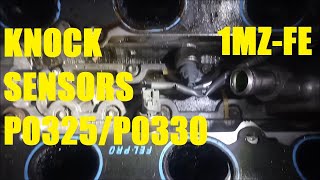
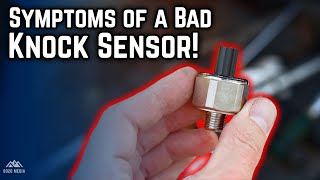
A failing knock sensor on a 1992-2002 Toyota Camry will almost always trigger the Check Engine Light. The onboard diagnostic system will store a trouble code, typically P0325 for the 4-cylinder engine or for Bank 1 on the V6. For V6 models, a P0330 code indicates a problem with the sensor on Bank 2. When the sensor fails, the engine's computer can no longer detect knocking, so it defaults to a "safe mode" by retarding the ignition timing to prevent potential damage. This results in noticeably sluggish acceleration, poor throttle response, and reduced fuel economy.
🎬 Watch: 4 common signs of a failing knock sensorV6 vs. 4-Cylinder: A Major Difference in Repair
The location of the knock sensor is the biggest factor in replacement cost and difficulty. On the 4-cylinder (5S-FE) engine, the single knock sensor is located on the back of the engine block, under the intake manifold. It can be accessed from underneath the car. On the V6 (1MZ-FE or 3VZ-FE) engine, there are two knock sensors located in the valley between the cylinder heads, underneath the entire lower intake manifold. Replacing them is a much more labor-intensive job that requires removing the upper and lower intake manifolds. Because of the high labor involved, it is strongly recommended to replace both sensors and the short wiring harness at the same time on V6 models.
Choosing the Right Aftermarket Knock Sensor

When it comes to engine sensors on Toyota vehicles, quality matters. While OEM sensors from the dealer offer guaranteed compatibility, their cost can be high. Aftermarket sensors provide a more affordable alternative. However, experiences from Toyota owners suggest being cautious with the cheapest available options, as some may fail prematurely or not meet the precise specifications required by the Toyota ECU, leading to the return of the check engine light. Brands like NTK (often an OEM supplier for Toyota), Denso, Delphi, or Beck/Arnley are generally considered more reliable choices in the aftermarket space. Given the significant labor cost for V6 models, spending a little more on a quality aftermarket sensor can prevent having to do the job twice.
| Part/Service | Estimated Cost |
|---|---|
| New OEM Knock Sensor (1) | $127 - $258 |
| New Aftermarket Knock Sensor (1) | $27.90 - $70 |
| Shop Labor (4-Cylinder) | $227 - $331 (Total Job) |
| Shop Labor (V6) | $392 - $647+ (Total Job) |
Pro Tip: Check the Wiring
On older vehicles like this Camry generation, the knock sensor wiring harness can become brittle from years of heat cycles. The plastic connectors can crack, and rodents are known to chew on the soy-based wire insulation used in some vehicles. Before condemning the sensor itself, inspect the wiring harness for any visible damage. 🎬 See how to diagnose P0325 and P0330 trouble codes On V6 models, it is standard practice to replace the short harness that connects the two sensors when replacing the sensors themselves.
Frequently Asked Questions

Where are the knock sensors located on my 1992-2002 Camry?
On 4-cylinder models, the single sensor is on the rear of the engine block below the intake manifold, accessible from under the car. On V6 models, two sensors are located under the lower intake manifold, between the two banks of cylinders.
What are the P0325 and P0330 codes?
P0325 indicates a circuit malfunction for Knock Sensor 1. On a 4-cylinder engine, this is the only sensor. On a V6, it refers to Bank 1. P0330 indicates a circuit malfunction for Knock Sensor 2 (Bank 2) and only applies to V6 engines.
Can I replace just one knock sensor on my V6 Camry?
While you can, it is highly discouraged. The replacement requires removing the intake manifold, which is a significant amount of labor. Since you have already accessed the sensors, it is best practice to replace both sensors and the wiring harness at the same time to avoid a repeat repair in the near future.
Is it difficult to replace the knock sensor myself?
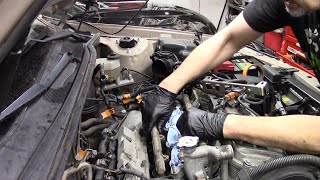
For a 4-cylinder model, it is a moderately difficult DIY job that requires safely jacking up the car and working in a tight space with a 27mm deep socket. 🎬 Watch this step-by-step 4-cylinder knock sensor replacement walkthrough For a V6 model, it is a very difficult and time-consuming job for a DIY mechanic, as it involves removing the fuel system components and intake manifolds.
Helpful Videos

Technical Specifications
OEM Part Numbers: 89615-12040 89615-32010 89615-12050
The 1992-2002 Camry uses one knock sensor for the 4-cylinder engine and two for the V6 engine. The sensor is a piezoelectric type that generates a voltage when it detects specific vibrations. A 27mm deep socket is required for removal.

The information in this article is provided for general reference and educational purposes only. Vehicle specifications, procedures, and part compatibility can vary by production date, trim level, and region. Always consult your vehicle's factory service manual and verify part numbers before purchasing or performing repairs. Safety-critical components such as airbags, seat belts, and braking systems should be installed by a qualified professional.
- Toyota Camry: