

Toyota Camry Engine Crankshaft Position Sensor Guide (1992-2001)
Everything a 1992-2001 Toyota Camry owner needs to know about a failing crankshaft position sensor.
- A failing sensor will likely cause a no-start or stalling condition, which can be dangerous.
- The most common error code is P0335; always scan for codes if your Check Engine Light is on.
- For a critical sensor like this, choosing the OEM supplier brand (Denso) is strongly recommended for long-term reliability.
- Replacement is much harder on the 4-cylinder engine than on the V6 due to the sensor's location behind the crankshaft pulley.
Is Your Camry Stalling or Not Starting?

A failing crankshaft position sensor in the 1992-2001 Toyota Camry can be a major headache. It often starts with small issues but can quickly lead to your car leaving you stranded. Because this sensor is essential for engine operation, its failure causes very noticeable problems. The most common symptoms include the engine cranking but not starting, stalling unexpectedly while driving, a rough idle, and a lit Check Engine Light.
🎬 Watch: How to diagnose and replace a bad crankshaft sensorCritical Part: Choose Wisely
For electronic sensors that are vital to your engine's operation, quality and reliability are key. While budget parts are available, many professional mechanics and experienced Toyota owners recommend using a part from the Original Equipment Manufacturer (OEM) for this specific job. A low-quality sensor can fail prematurely, leaving you with the same problem again.
Choosing the Right Aftermarket Sensor

When shopping for a replacement, you'll find a wide range of brands and prices. They generally fall into three tiers for your Camry.
- Tier 1 (OEM Supplier): Denso is the company that made the original part for Toyota. Choosing a Denso-branded sensor, even from an aftermarket seller, is the closest you can get to the original part's quality and reliability. This is the highly recommended choice.
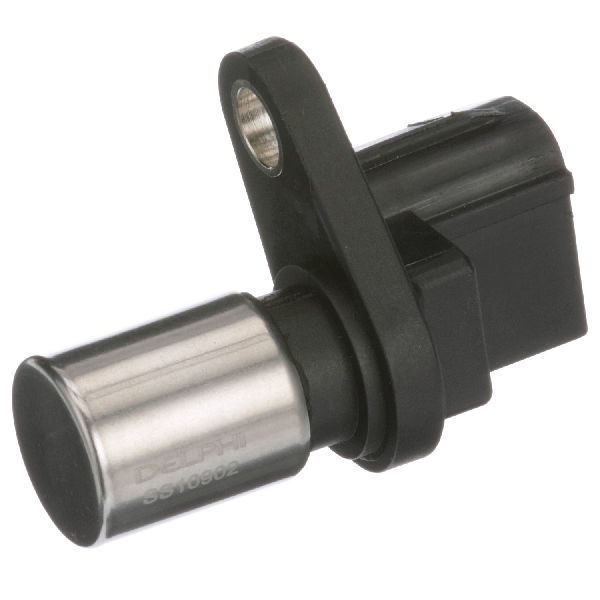
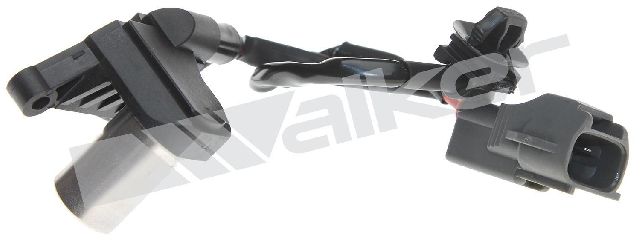
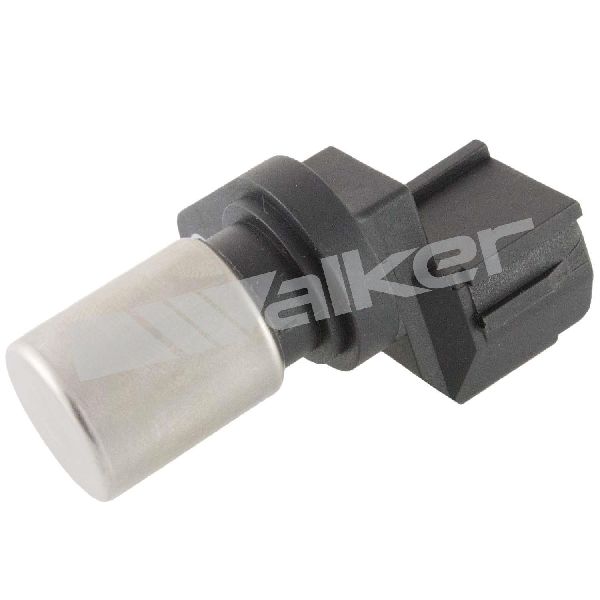
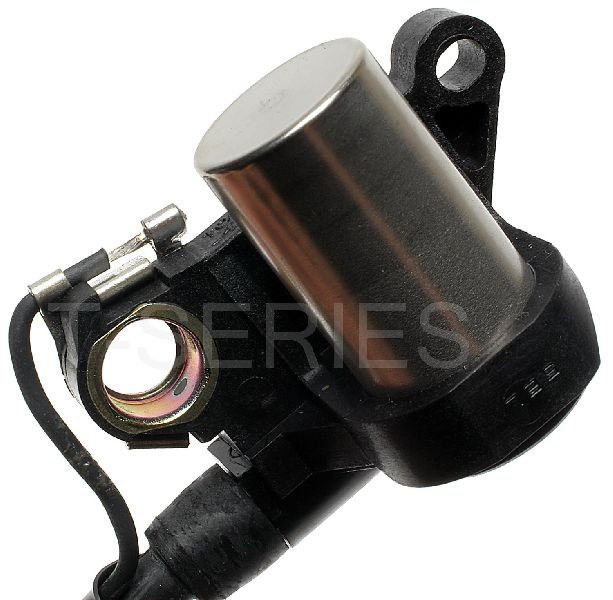
- Tier 2 (Quality Aftermarket): Brands like Delphi, Standard Motor Products (SMP), and Walker Products have a long history of making reliable aftermarket parts. They are a solid choice if an OEM part isn't available or is outside your budget.
- Tier 3 (Economy): Brands like Dorman, Vemo, and others offer a low-cost alternative. While tempting, the reliability of critical electronic sensors from these brands can be inconsistent. They may be a short-term fix but might not last as long as higher-quality options.
How Much Does a Crankshaft Sensor Replacement Cost?

The cost depends on whether you do it yourself or use a repair shop. The part itself is relatively inexpensive, but labor costs can vary significantly based on which engine your Camry has.
| Service | Estimated Cost |
|---|---|
| New Aftermarket Part | $25 - $104 |
| New OEM Part (Dealer) | $150 - $250 |
| Shop Labor | $140 - $228 |
| Total Professional Job | $165 - $332 |
Generation & Engine Differences
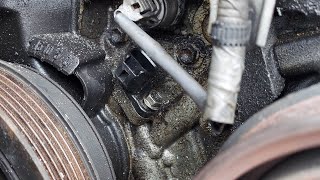
This guide covers two generations of the Camry (Gen 3 & Gen 4) and two primary engines: the 4-cylinder (5S-FE) and the V6 (3VZ-FE or 1MZ-FE). The location and replacement difficulty of the sensor vary. On the 4-cylinder, the sensor is located behind the main crankshaft pulley and lower timing cover, making it a more involved job. On the V6, it is typically more accessible from the top of the engine bay after removing the drive belts.
🎬 See this replacement walkthrough for the 3.0L V6 engineFrequently Asked Questions

What are the most common signs of a bad crank sensor?
The most common signs are the engine cranking but refusing to start, stalling for no reason (especially when the engine is hot), a rough idle, jerky acceleration, and the Check Engine Light coming on.
What error code does a failing crank sensor cause?
The most common diagnostic trouble code (DTC) associated with a crankshaft position sensor failure is P0335 (Crankshaft Position Sensor 'A' Circuit Malfunction).
🎬 Watch: P0335 code and sensor location on 4-cylinder modelsWhere is the crankshaft sensor located on a 1992-2001 Camry?
Its location depends on your engine. On the 2.2L 4-cylinder, it is mounted on the engine block, but you must remove the main crankshaft pulley (harmonic balancer) to access it. On the 3.0L V6, it is located on the front of the engine near the crankshaft pulley, accessible after removing the serpentine belts.
Can I replace this sensor myself?
For the V6 engine, it is a feasible DIY job for someone with basic mechanical skills and tools. For the 4-cylinder engine, the job is more difficult because it requires removing the crankshaft pulley, which can be very tight and may require special tools. If you are not comfortable with that level of disassembly, it is best to leave it to a professional.
Were there any recalls for this part?
No, there have been no specific recalls or widespread Technical Service Bulletins (TSBs) issued by Toyota or the NHTSA for the crankshaft position sensor on the 1992-2001 Toyota Camry.
Helpful Videos



Technical Specifications
OEM Part Numbers: 90919-05047 90919-05057 90080-19010
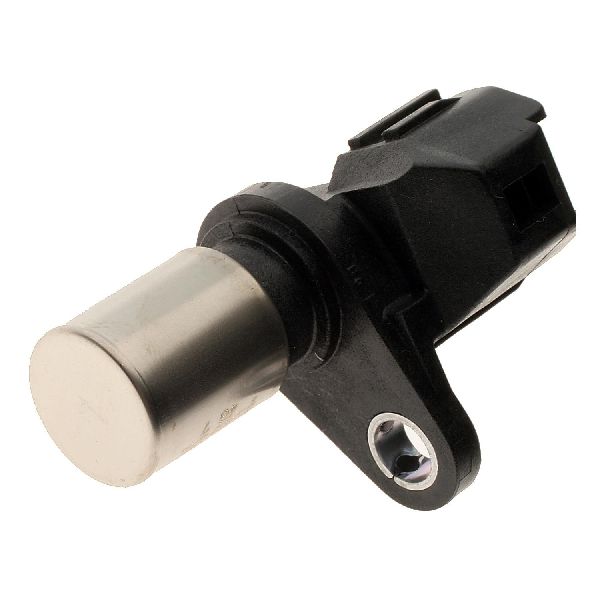
The sensor for the 1992-2001 Camry is typically a 2-terminal blade-style sensor with a rectangular plug-in connector. It functions by reading the teeth on the crankshaft to determine engine speed and position.
We Have This Part in Stock


The information in this article is provided for general reference and educational purposes only. Vehicle specifications, procedures, and part compatibility can vary by production date, trim level, and region. Always consult your vehicle's factory service manual and verify part numbers before purchasing or performing repairs. Safety-critical components such as airbags, seat belts, and braking systems should be installed by a qualified professional.
- Toyota Camry: