

1992-2001 Honda Civic Main Relay Guide: Solving No-Start & Stalling Issues
If your Civic won't start or stalls when warm, the PGM-FI Main Relay is the most likely culprit.
- The PGM-FI Main Relay is a very common failure point on 1992-2001 Civics, causing no-start or stalling issues.
- Symptoms are often heat-related; the car may not start when the cabin is warm but will start fine when it's cool.
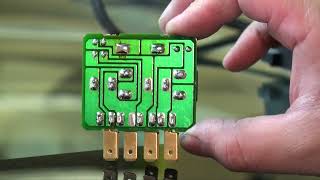
- The problem is usually cracked solder joints inside the relay, not the relay components themselves.
- Before replacing the expensive fuel pump, always check the main relay first, as it is the more likely culprit.
The Most Common Failure Point

For 1992-2001 Honda Civics, the PGM-FI Main Relay is one of the most common parts to fail, often leading to a car that won't start. The problem isn't usually the relay itself, but the solder joints inside it. Over many years of heating up and cooling down, tiny cracks form in the solder, creating a bad connection. This is a well-known issue in Hondas from this era.
Symptoms of a Failing Main Relay

A bad main relay can be tricky to diagnose because the symptoms are often intermittent. The most common signs include:
- No-Start, Especially When Hot: The car cranks but won't start. This often happens after the car has been driven, parked for a short time (like at a gas station), and then won't restart. The heat inside the cabin makes the cracked solder joints expand and lose connection. 🎬 See why your car won't start when it's hot outside.
- Stalling: The engine may suddenly die while driving, for no apparent reason.
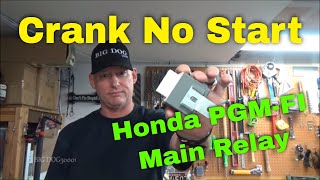
- No Fuel Pump Sound: When you turn the ignition key to the 'ON' (II) position, you should hear a faint whirring or hum from the back of the car for about two seconds as the fuel pump primes. If you don't hear this sound, and the check engine light doesn't illuminate briefly, the main relay is the prime suspect. 🎬 Watch: Diagnosing a crank no start condition on your Honda.
- Starts and Immediately Dies: The engine might fire up for a second and then immediately shut off.
Known Issues: Cracked Solder Joints
The original relays (often made by Mitsuba) are known for developing cracks in the solder that connects the components to the circuit board. This is caused by years of temperature changes and vibration. Sometimes, these relays can be repaired by re-soldering the connections, but this requires soldering skills and tools. For most owners, replacement is the faster and more reliable solution.
Choosing the Right Aftermarket Relay

When your main relay fails, you have a few options. While an OEM (Original Equipment Manufacturer) part from Honda is an option, quality aftermarket parts offer a reliable and more affordable solution.
- OEM (Honda): This is the benchmark for quality and fit. However, it is also the most expensive option. Some owners report that newer OEM relays have an updated design to prevent the original failure.
- Premium Aftermarket (e.g., ACDelco): Brands like ACDelco often provide quality that is very close to OEM standards. Sometimes, they are even the same part as the original, just in a different box. These are a solid choice for reliability without the high dealer price.
- Standard Aftermarket (e.g., Replacement): These are the most budget-friendly options. While many perform well, quality can be inconsistent. For a critical part like a main relay that can leave you stranded, it's often worth spending a little more for a brand with a better reputation.
| Part | Price Range |
|---|---|
| New OEM | $60 - $90 |
| New Aftermarket | $18.08 - $58.11 |
| Shop Labor | $50 - $125 |
Pro Tip: Check for Recalls and TSBs
While there are no specific recalls for the main relay on the 1992-2001 Civic, Honda has issued numerous recalls for fuel pump issues on newer models that involve the PGM-FI relay in the repair procedure. This highlights the importance of the relay in the overall fuel system. Always check for any open recalls on your vehicle.
Frequently Asked Questions

Where is the main relay located on a 1992-2001 Civic?
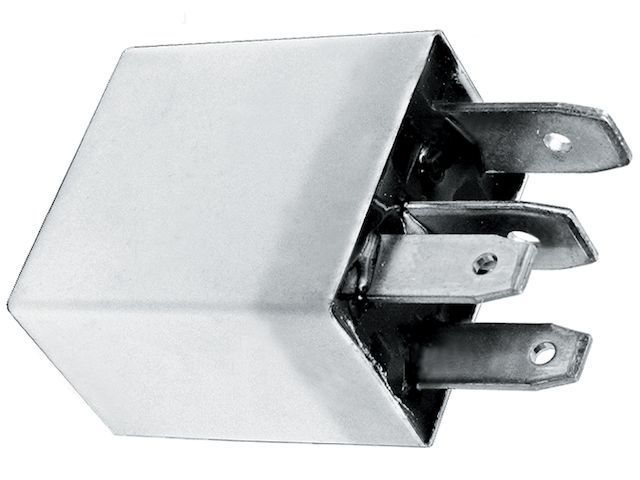
For the 1992-1995 Civic, the main relay is located under the driver's side dashboard, to the left of the steering column, often near the fuse box. For 1996-2000 models, it is typically found behind the glove box on the passenger side. It is usually a small grey or black box bolted to a bracket.
Can I repair my old main relay?
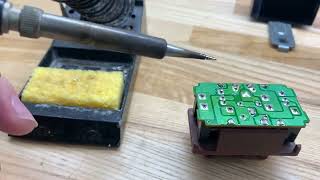
Yes, it is possible to repair the relay by re-soldering the cracked joints on the internal circuit board. This requires a low-wattage soldering iron and some skill. If you are not experienced with soldering, you can damage the board. 🎬 Learn how to repair and resolder your old main relay. For most people, replacing the entire relay is a simpler and more reliable fix.
Is it a fuel pump or a main relay?
It's a common misdiagnosis. Honda fuel pumps are very reliable and rarely fail. If you have a no-start condition, the main relay is a much more likely cause than the fuel pump. The easiest test is to listen for the fuel pump to prime for 2 seconds when you turn the key; if you hear nothing, the relay is the first thing to check.
Is replacing the main relay a DIY job?
Yes, for most people with basic tools. The main difficulty is access, as it's located under the dashboard. You will likely need a 10mm socket to unbolt the relay from its bracket. Once unbolted, you simply disconnect the wiring harness and plug in the new one. The entire job usually takes less than 30 minutes.
Helpful Videos
Technical Specifications
OEM Part Numbers: 39400-S10-003 39400-SR3-003 39400-SM4-003
Typically a grey or black plastic housing containing two internal relays that control power to the ECU and fuel pump. Original parts are often manufactured by Mitsuba.
We Have This Part in Stock

The information in this article is provided for general reference and educational purposes only. Vehicle specifications, procedures, and part compatibility can vary by production date, trim level, and region. Always consult your vehicle's factory service manual and verify part numbers before purchasing or performing repairs. Safety-critical components such as airbags, seat belts, and braking systems should be installed by a qualified professional.
- Honda Civic: