

BMW 320i (1992-2000) Front Control Arm Bushing Replacement Guide
Restore your BMW's sharp handling and eliminate suspension clunks by replacing worn control arm bushings.
- A steering wheel shimmy under braking is the most common sign of failed control arm bushings on a 1992-2000 BMW 320i.
- For best results and longevity, choose OEM-equivalent brands like CRP/Lemförder or Febi.
- Save time and effort by purchasing new bushings that are already pressed into their mounting brackets.
- An alignment is essential after the replacement to prevent uneven tire wear and ensure proper handling.
Is Your BMW's Steering Not as Sharp as It Used to Be?
If your 1992-2000 BMW 320i is experiencing a steering wheel shimmy, especially under braking, or feels like it's wandering on the highway, worn front control arm bushings are a likely cause. These rubber components are a known weak point on the E36 (1992-1998) and E46 (1999-2000) chassis, often failing and causing a range of suspension issues. Replacing them is one of the most effective ways to restore your car's original handling and feel.
Don't Ignore a Steering Shimmy
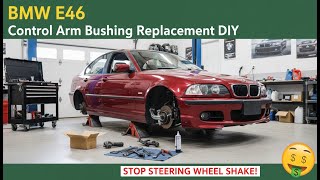
A steering wheel vibration, especially when braking, is a classic symptom of failed control arm bushings on these cars. This indicates excessive movement in the suspension, which can affect braking stability and tire wear. It's crucial to address this for safety.
Symptoms of Worn Control Arm Bushings
Look out for these common signs of failure:
- Steering Wheel Shimmy: A noticeable vibration or shudder in the steering wheel, often most apparent when braking from highway speeds.
- Clunking or Popping Noises: A metallic clunking sound from the front suspension when going over bumps, dips, or turning at low speeds.
- Vague or Loose Steering: A feeling that the steering is less responsive, or the car 'floats' and wanders on the road, requiring constant small corrections.
- Uneven Tire Wear: Worn bushings can throw off your alignment, causing the inside or outside edges of your front tires to wear down prematurely.
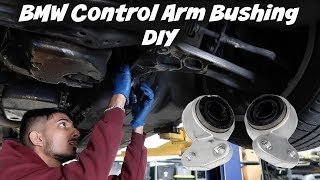
- Wheel Movement During Braking: In severe cases, an observer can see the front wheel shift forward or backward in the wheel well 🎬 Watch: See what a failed control arm bushing looks like in action. when you apply the brakes at a very low speed.
Choosing the Right Aftermarket Bushings
Not all aftermarket parts are created equal. For a BMW, the quality of suspension components directly impacts the driving experience. Here's a breakdown of the brands available:
Tier 1: OEM-Equivalent Quality
- CRP (Lemförder): Lemförder is an original equipment manufacturer (OEM) for BMW. Choosing CRP or Lemförder parts is the closest you can get to buying a genuine BMW part, ensuring original ride quality, fit, and longevity. Many enthusiasts consider this the best option.
- Febi: Febi-Bilstein is another German brand known for high-quality, OEM-spec parts. They are a reliable choice for restoring the stock feel and performance of your 320i.
- Delphi: A well-respected OEM supplier that often provides parts that meet or exceed factory specifications.
Tier 2: Quality Aftermarket
- Moog / Mevotech: These brands are well-known in the North American aftermarket. They often feature problem-solving designs but may offer a slightly different feel (sometimes stiffer) than the original German parts.
Tier 3: Economy Options
- Dorman / Vaico / ACDelco: These brands typically offer a value-oriented solution. While they will solve the immediate problem, they may not provide the same longevity or precise handling feel as the OEM-equivalent brands.
Pro Tip: Buy Bushings Pre-Pressed in Brackets
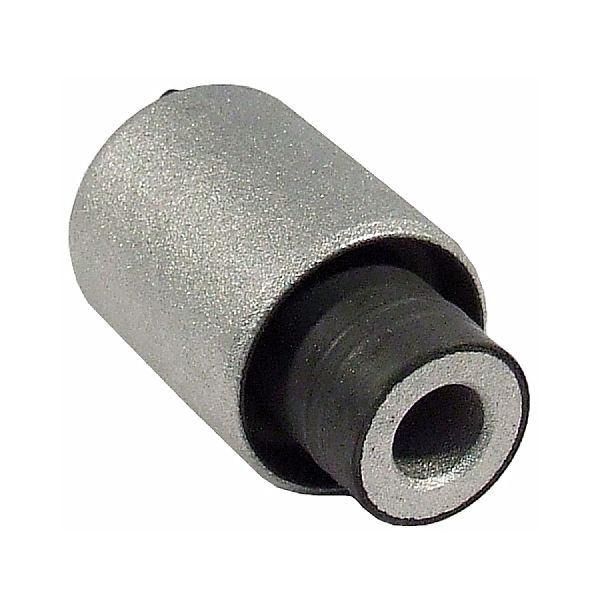
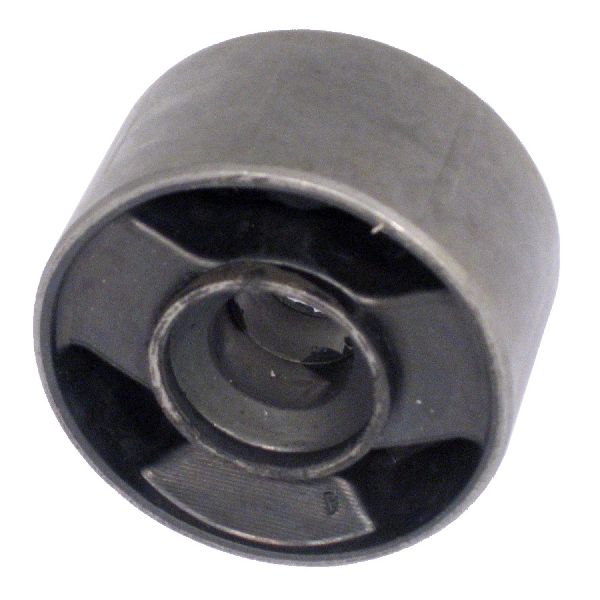
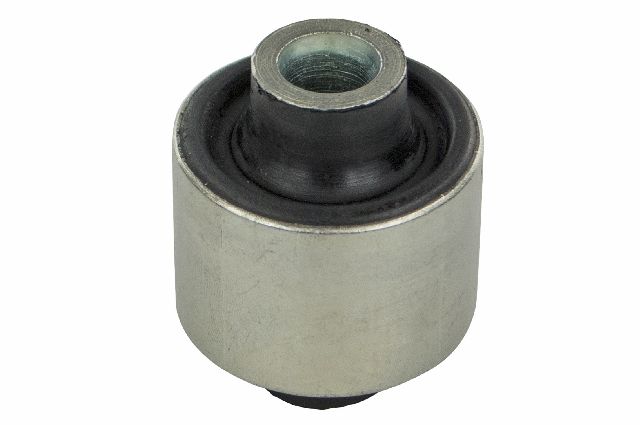
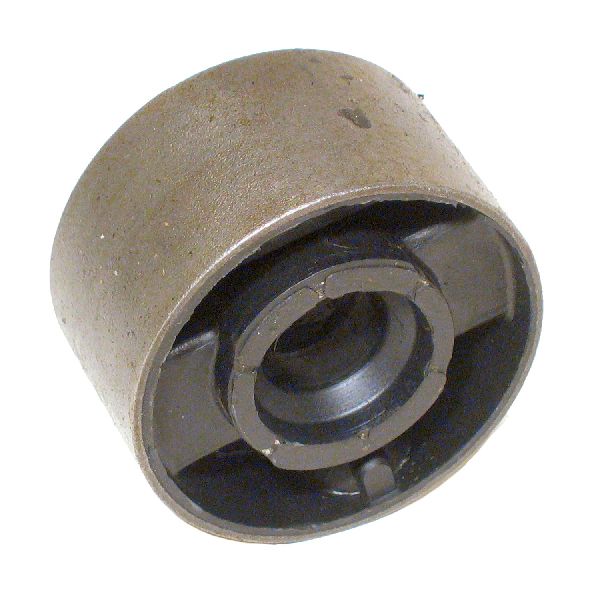
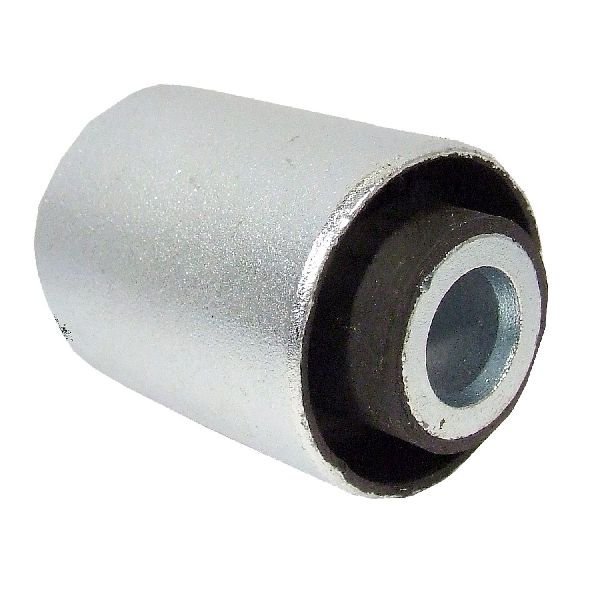
The bushing must be pressed into its metal housing (often called a 'lollipop' bracket). This requires a hydraulic press. To save time and avoid needing special tools, it is highly recommended to buy the bushings already pressed into new brackets.
Known Issues, Recalls, and TSBs
For the 1992-2000 BMW 320i, there are no specific recalls or Technical Service Bulletins (TSBs) directly targeting the front control arm bushings as a standalone failure. They are considered a standard wear-and-tear item. However, there is a major, active "Do Not Drive" recall for Takata airbags affecting 2000-2006 E46 models. It is critical to check if your vehicle is affected by visiting the NHTSA website or BMW's recall page.
| Part Type | Estimated Cost |
|---|---|
| New Aftermarket (Bushings Only) | $15 - $90 (pair) |
| New Aftermarket (Pre-Pressed in Brackets) | $40 - $150 (pair) |
| New OEM (Lemförder, Pre-Pressed) | $80 - $180 (pair) |
| Shop Labor | $200 - $400 |
Frequently Asked Questions (FAQ)
Do I need to replace the whole control arm?
Not necessarily. If the ball joints on your original control arms are still in good condition with no play and the boots aren't torn, you can just replace the bushings. However, if your car has high mileage, it's often cost-effective to replace the entire control arm assembly, which includes new ball joints and sometimes the bushing, to save on future labor costs.
Should I upgrade to solid or polyurethane bushings?
For a daily driven car, sticking with high-quality rubber bushings (like Lemförder) is recommended. They provide the best balance of performance and comfort, absorbing vibrations well. Polyurethane or solid bushings will provide sharper steering response but will also transmit more noise, vibration, and harshness (NVH) into the cabin, making the ride significantly stiffer. They are better suited for track-focused cars.
Do I need an alignment after replacing the bushings?
Yes, an alignment is highly recommended. Worn bushings allow the suspension geometry to shift. Installing new ones will change it back, and an alignment is necessary to ensure your tires wear evenly and the car tracks straight.
What is the difference between E36 and E46 bushings?
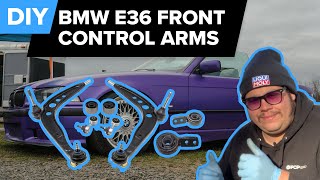
The E36 (1992-1998) and E46 (1999-2000) use different control arms and bushings. While the concept is the same, the parts are not interchangeable. The E46 bushings are generally larger (66mm). It is crucial to order the correct part for your specific year and model. Some owners upgrade E36 models with M3-spec bushings, which are solid rubber 🎬 See this DIY walkthrough for replacing E36 control arms and bushings. and offer better performance.
Helpful Videos

Technical Specifications
OEM Part Numbers: 31121136531 (E36) 31121136532 (E36) 31129069035 (E36 M3 Upgrade) 31126757623 (E46) 31126783376 (E46)
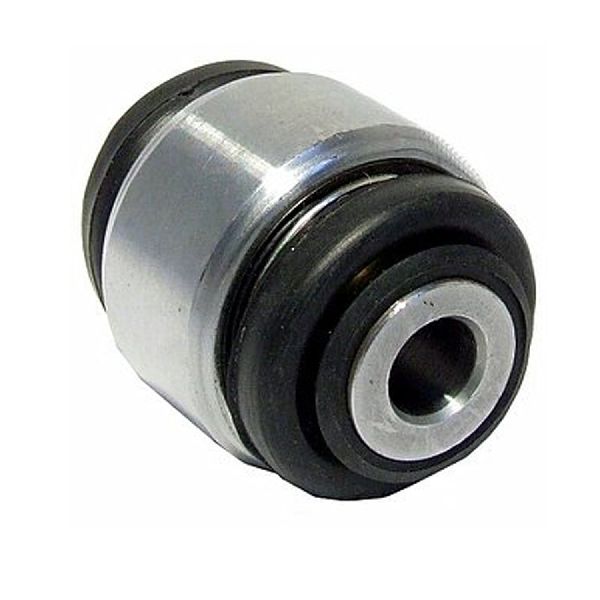
This guide covers the front lower control arm bushings, also known as thrust arm bushings or FCABs. They are typically made of rubber and housed in a metal bracket. The E36 and E46 generations use different part numbers and sizes.
We Have This Part in Stock

The information in this article is provided for general reference and educational purposes only. Vehicle specifications, procedures, and part compatibility can vary by production date, trim level, and region. Always consult your vehicle's factory service manual and verify part numbers before purchasing or performing repairs. Safety-critical components such as airbags, seat belts, and braking systems should be installed by a qualified professional.
- BMW 320i: