

Chevrolet Impala Automatic Transmission Mount Guide for 1992-1997 Models
Keep your 1994-1996 Impala SS running smoothly by understanding and replacing its transmission mount.
- The most common signs of failure are clunking noises when shifting and increased vibrations while driving.
- For this vehicle's age, affordable aftermarket brands like Anchor and Pioneer are the most practical choice.
- Driving with a bad mount is not recommended as it can lead to damage to other parts like the driveshaft or exhaust.
- This is a DIY-friendly repair for those with the right tools and safety equipment, potentially saving over $100 in labor.
Is Your Impala's Transmission Mount Failing?
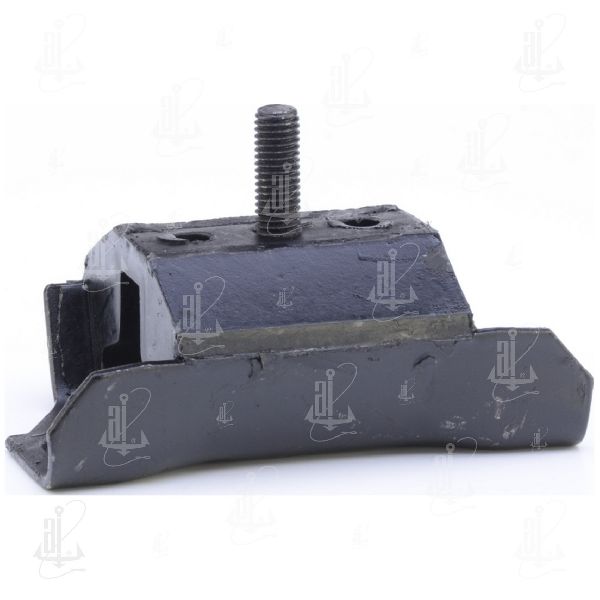
The transmission mount is a simple part made of metal and rubber that holds your transmission in place. Because the 1994-1996 Impala SS is a powerful, rear-wheel-drive car, this mount works hard to handle the engine's torque. Over time, the rubber can crack, get soaked with oil, or just wear out. When it fails, you will notice clear signs that something is wrong.
Top 3 Symptoms of a Bad Transmission Mount
If your mount is worn, you will likely experience one or more of these issues:
- Clunking or Thumping Noises: The most common sign is a loud clunk when you shift from Park into Drive or Reverse. You might also hear banging sounds during hard acceleration or braking as the transmission shifts and hits other parts.
- Excessive Vibrations: You may feel a new or stronger vibration through the floor, seats, or steering wheel. This happens because the worn-out rubber can no longer absorb the normal vibrations from the transmission.
- Drivetrain Movement: A failed mount allows the entire engine and transmission to move or rock more than they should. This is most noticeable when you start the car or hit the gas. In some cases, this movement can damage other parts like driveshaft joints or even cause fluid leaks by stressing seals.
Can You Drive with a Bad Mount?
You can drive the vehicle, but it is not recommended for long. Continuing to drive with a failed mount can cause damage to other components, including exhaust pipes, driveshaft components, and engine mounts. It's best to replace it soon to avoid more expensive repairs.
Choosing the Right Aftermarket Mount
For a vehicle from the mid-1990s, original equipment manufacturer (OEM) parts are often discontinued or very expensive. The most common and affordable option is a new aftermarket mount.
OEM-Style Aftermarket Brands: Anchor and Pioneer
Brands like Anchor and Pioneer Cable are widely available and very affordable. They are designed to be direct, OEM-style replacements made from steel and rubber.
- Quality: These are considered economy or standard-replacement brands. For many owners of older vehicles, they provide a functional, low-cost solution. Forum discussions show mixed reviews; some users report they work fine for years, while others have experienced shorter lifespans or fitment issues compared to original parts.
- Performance: The rubber used in some budget mounts can be harder than the original, which might lead to a slight increase in cabin vibration. However, for a daily driver, this difference may not be noticeable.
Replacement Cost
Replacing the transmission mount on a 1992-1997 Impala is a straightforward job. The part itself is inexpensive, and labor costs are reasonable.
| Part/Service | Estimated Cost |
|---|---|
| New Aftermarket Mount (Anchor, Pioneer) | $14 - $15 |
| Shop Labor | $100 - $200 |
| Total Estimated Cost | $114 - $215 |
Note: Costs are estimates and can vary based on your location and the specific repair shop. Some sources report higher labor costs.
Frequently Asked Questions
Is this a difficult job to do myself?
For an experienced DIY mechanic, this is a manageable job. It requires safely lifting the vehicle, supporting the transmission with a floor jack, and using basic hand tools to unbolt the old mount and install the new one. If you are not comfortable working under your car, it's best to have a professional do it.
Are there any recalls for the Impala transmission mount?
No, there are no specific recalls or technical service bulletins (TSBs) from the NHTSA for the transmission mount on the 1992-1997 Chevrolet Impala. Recalls for Impalas typically involve different parts on much newer models.
Should I use a polyurethane mount instead of rubber?
Polyurethane mounts are a performance upgrade. They are much stiffer than rubber and provide better throttle response by reducing drivetrain movement. However, they also transfer significantly more vibration into the car, making the ride harsher and noisier. For a stock or daily-driven Impala, a standard rubber mount is the best choice for ride comfort.
Will a bad transmission mount cause my transmission to slip?
A bad mount itself does not directly cause internal transmission slipping. However, the resulting misalignment can sometimes make it difficult to shift gears or cause the linkage to bind. If you are experiencing true transmission slippage, the problem lies with internal components like clutches, not the mount.
Technical Specifications
Interchange Part Number: A2672
We Have This Part in Stock


The information in this article is provided for general reference and educational purposes only. Vehicle specifications, procedures, and part compatibility can vary by production date, trim level, and region. Always consult your vehicle's factory service manual and verify part numbers before purchasing or performing repairs. Safety-critical components such as airbags, seat belts, and braking systems should be installed by a qualified professional.
- Chevrolet Impala: