

Mack CL Radiator Coolant Hose: A Guide for 1992-1996 Models
Don't let a bad radiator hose leave your 1992-1996 Mack CL stranded; know the signs and how to choose the right replacement.
- A leaking, swollen, or spongy radiator hose on your Mack CL requires immediate attention to prevent engine overheating and severe damage.
- For aftermarket replacements, Gates is generally preferred over Dayco due to a better reputation for correct fitment on heavy-duty applications.
- Always replace hose clamps when installing a new hose to ensure a proper, long-lasting seal.
- If one hose has failed due to age, it is wise to replace all main coolant hoses at the same time as preventative maintenance.
Signs of a Failing Radiator Hose on Your Mack CL
A failed radiator hose is more than an inconvenience; it can quickly lead to major engine trouble. Because these hoses are made of rubber, they wear out over time from heat and pressure. Catching a bad hose early can save you from a costly roadside repair. Pay attention to these warning signs:
- Coolant Leaks: This is the most obvious symptom. You might find puddles of green, yellow, or pinkish fluid under the front of your truck. You may also notice a distinct sweet smell from the engine bay after a drive.
- Visible Damage: Open the hood and inspect the hoses. Look for cracks (especially near the clamps), splits, or bulging. A swollen or oil-soaked hose is a sign that the rubber is breaking down and could burst.
- Spongy or Hard Hoses: Squeeze the hoses when the engine is cold. A healthy hose should be firm but flexible. If it feels mushy, spongy, or rock-hard and brittle, it's time for a replacement.
- Engine Overheating: If your temperature gauge starts climbing into the red, a significant coolant leak from a bad hose could be the cause. A collapsed hose can also restrict coolant flow and lead to overheating.
- Low Coolant Light: A frequent need to top off your coolant reservoir is a strong indicator of a leak somewhere in the system.
Choosing the Right Aftermarket Radiator Hose
For the 1992-1996 Mack CL, you don't necessarily need to pay dealer prices for a quality radiator hose. Reputable aftermarket brands offer reliable parts that meet or exceed original equipment (OE) specifications. The two main brands available are Dayco and Gates.
OEM vs. Aftermarket Quality
Both Gates and Dayco are known to be original equipment manufacturers for many vehicle brands, so the quality of the rubber compounds is generally high. The main difference often comes down to fit and finish. For a work truck like a Mack CL, a proper fit is essential to avoid rubbing against other engine components. Based on owner feedback, Gates often has a better reputation for correct hose shape and fitment compared to Dayco, which has sometimes been reported to have issues with incorrect bends or lengths.
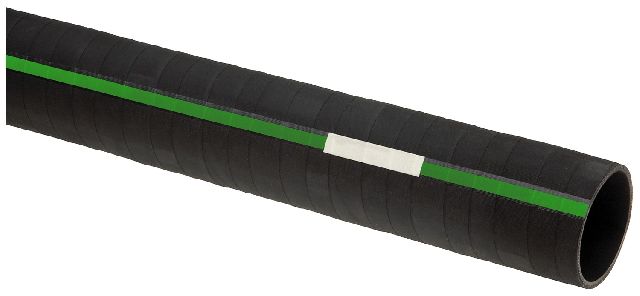
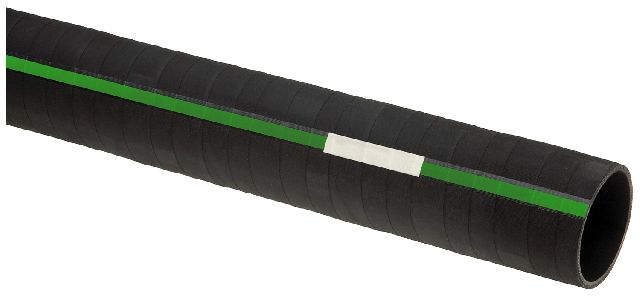
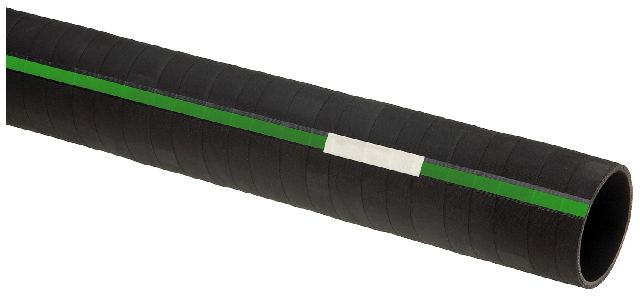
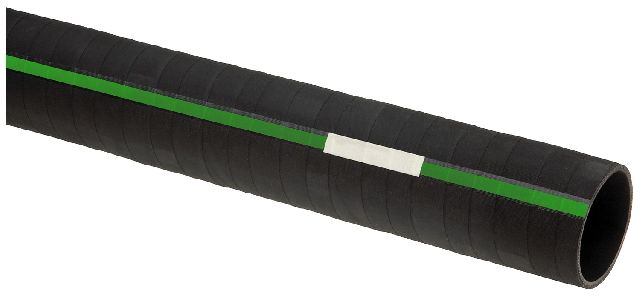
- Gates: Often considered a top-tier aftermarket choice. Gates is known for its accurate cataloging and proper fit. They offer heavy-duty lines like their "Green Stripe" hoses designed for the demanding conditions of truck engines. Many professional mechanics prefer Gates for its reliability.
- Dayco: A well-known brand that also supplies OE parts. Some users have noted that their hoses can be thicker than competitors'. However, there are multiple reports across different vehicles of fitment problems, such as incorrect angles or lengths that can cause kinking. While the material may be good, a poor fit can lead to premature failure.
Recommendation: For a critical part like a radiator hose on a heavy-duty truck, proper fit is just as important as material quality. Given the feedback from users, Gates is the more consistently reliable choice for ensuring a trouble-free installation.
Cost of a New Aftermarket Radiator Hose (1992-1996 Mack CL)
| Part Type | Estimated Cost |
|---|---|
| New Aftermarket Radiator Hose | $30.98 - $141.36 |
Note: Prices are for the part only and do not include labor, coolant, or new clamps. Some complex hose assemblies with multiple branches may be on the higher end of the price range.
Frequently Asked Questions
If one radiator hose is bad, should I replace them all?
Yes, it is highly recommended. Radiator hoses are exposed to the same conditions and age at roughly the same rate. If the upper hose has failed, the lower hose is likely not far behind. Replacing them all at once is smart preventive maintenance and can save you from another breakdown in the near future.
Should I replace the hose clamps at the same time?
Absolutely. Old hose clamps can lose their tension over time or corrode. A new hose deserves new clamps to ensure a tight, leak-free seal. Spring-style clamps are often preferred as they maintain constant tension as the hose expands and contracts with temperature changes.
How often should I replace my radiator hoses?
As a general rule for heavy-duty trucks, it's wise to inspect hoses at every service interval and consider replacing them proactively every 4 to 5 years or around 100,000 miles, even if they look okay. For a truck that works hard, this preventive step is cheap insurance against downtime.
What kind of coolant should I use for my Mack CL?
Always use the coolant type specified for your Mack engine. Using the wrong type can cause corrosion and damage to your cooling system components. Check your owner's manual or a reliable service guide for the correct specification. Draining the system to replace a hose is the perfect time to refill with fresh, correct coolant.
Technical Specifications
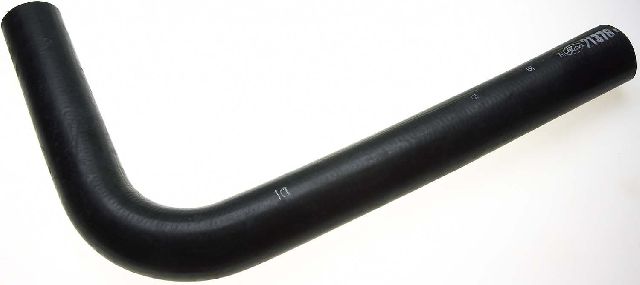
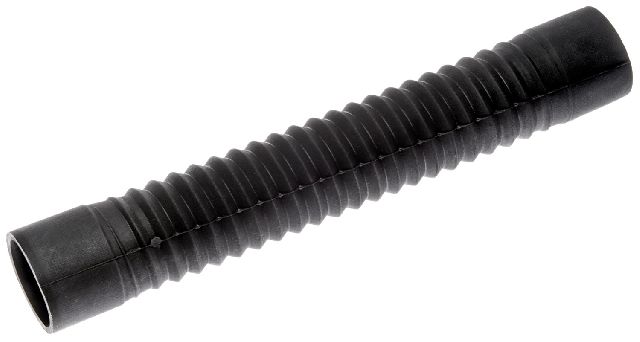
Vehicle-specific molded EPDM rubber hose designed to withstand high temperatures and pressure. Available in various diameters and shapes for upper, lower, and bypass connections.
We Have This Part in Stock

The information in this article is provided for general reference and educational purposes only. Vehicle specifications, procedures, and part compatibility can vary by production date, trim level, and region. Always consult your vehicle's factory service manual and verify part numbers before purchasing or performing repairs. Safety-critical components such as airbags, seat belts, and braking systems should be installed by a qualified professional.
- Mack CL: