

Chevrolet Corvette C4 & C5 Mass Air Flow Sensor Guide (1991-2005)
Restore your Corvette's performance and efficiency by understanding and choosing the right new aftermarket MAF sensor.
- Always try cleaning the MAF sensor with dedicated cleaner before replacing it, especially if you use an oiled air filter.
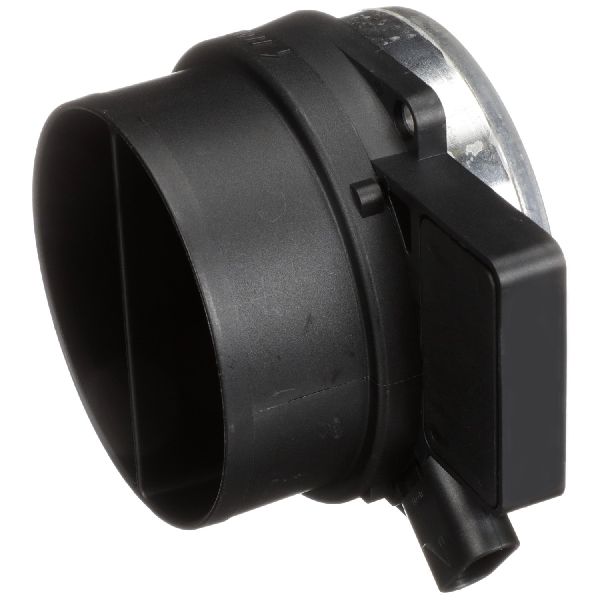
- For a reliable, plug-and-play replacement, choose an OEM-equivalent brand like Delphi.
- Ensure you are buying the correct sensor for your Corvette's specific year and engine, as C4 and C5 models use different parts.
- Replacement is a simple DIY job that requires basic tools and can be completed in under 30 minutes.
Understanding the Mass Air Flow Sensor in Your 1991-2005 Corvette

The Mass Air Flow (MAF) sensor in your C4 or C5 Corvette is a sensitive and vital component. It uses a heated wire or element to measure the volume and density of air entering your engine. The computer uses this data to deliver the right amount of fuel. When the sensor gets old, dirty, or fails, it sends incorrect information, leading to a host of engine problems that can take the fun out of driving your Corvette.
Symptoms of a Failing MAF Sensor

A bad MAF sensor can mimic other issues, but there are common signs Corvette owners report. If the sensor is sending wrong data, the engine may run too rich (too much fuel) or too lean (not enough fuel). Look out for these symptoms:
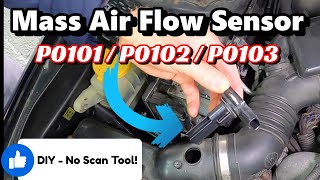
- Check Engine Light: The most common indicator, often with codes like P0101, P0102, or P0103. 🎬 Learn how to test and replace your MAF sensor.
- Rough Idle: The engine may idle poorly or hunt for a steady RPM.
- Hesitation and Stalling: The car may hesitate, jerk, or stumble during acceleration. In some cases, the engine may stall, especially when returning to idle.
- Poor Fuel Economy: If the sensor causes the engine to run rich, you'll notice a drop in gas mileage.
- Black Smoke from Exhaust: This is a clear sign the engine is running too rich with fuel.
- Reduced Power: Your Corvette will feel sluggish and won't accelerate as it should. On some models, the car may enter a "limp home" mode with severely restricted power.
A Common Culprit: Oiled Air Filters
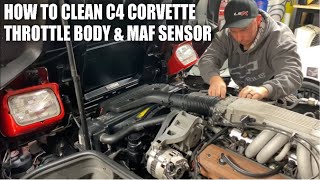
Many Corvette owners use aftermarket oiled air filters, like those from K&N. If over-oiled, the excess oil can get drawn into the intake and coat the sensitive MAF sensor wires. This contamination insulates the sensor, causing incorrect readings. Before replacing your sensor, it's often worth trying to clean it with a dedicated MAF sensor cleaner spray.
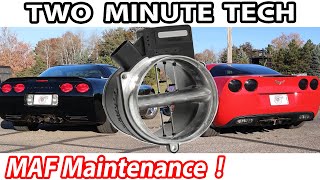
🎬 See how to clean your C5 sensor in two minutes.Choosing the Right Aftermarket MAF Sensor

When it's time to replace the sensor, you have several options. For the 1991-2005 Corvette, the quality of aftermarket sensors can vary significantly. Some cheaper brands are known to cause drivability issues or fail prematurely. Here’s a breakdown of brand quality tiers based on owner experiences and industry reputation.
Tier 1: OEM Equivalent Brands
These brands are often the original equipment manufacturer for General Motors or are known for producing parts that meet or exceed OEM specifications.
- Delphi: Delphi is a well-regarded brand and was an original parts supplier for GM for many years. Corvette owners often recommend Delphi as a reliable, top-tier replacement that is expected to function like the original part.
- NGK/NTK: Known for their high-quality sensors, NTK (an NGK company) is another trusted name that provides reliable, OEM-spec performance.
Tier 2: Reputable Aftermarket Brands
These brands offer a good balance of quality and value. They are a solid choice for a daily driver or budget-conscious owner who still wants a reliable part.
- Standard Ignition (SMP): A long-standing company with a reputation for producing dependable engine management components.
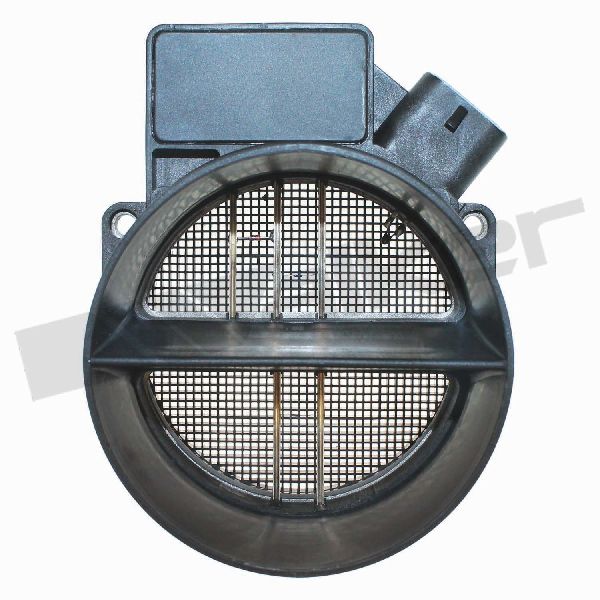
- Walker Products: Forum users have reported good experiences with Walker MAF sensors, noting they perform well.
- Hella: A major German automotive supplier known for quality electronics.
Tier 3: Value & Performance Brands
These brands fit specific needs, from budget repairs to performance modifications.
- Cardone: Often offers remanufactured sensors, which can be a budget-friendly option. However, quality can sometimes be inconsistent compared to a new unit.
- Spectra & DriveWire: These brands fall into the value category. While they offer significant cost savings, some users have reported issues with performance and longevity.
- Granatelli: This is a performance-oriented brand. Their MAF sensors are designed to increase airflow and are best suited for modified Corvettes with other upgrades like cold air intakes and custom tunes. Installing a performance MAF on a stock car without a tune can cause issues.
Generation & Year-Specific Parts
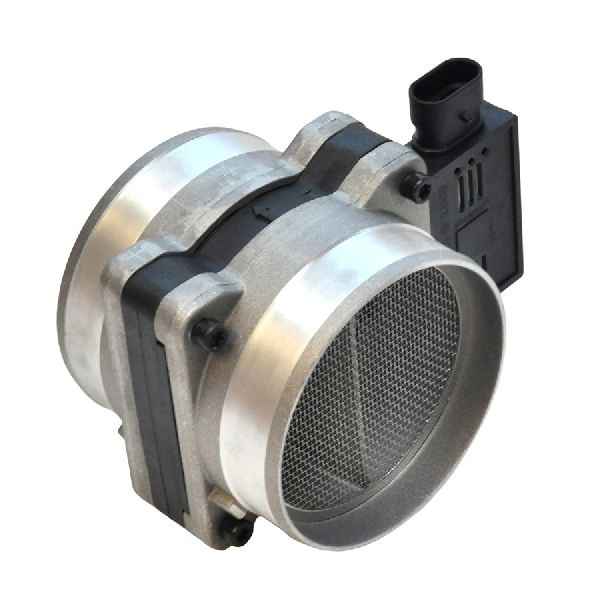
The MAF sensor is not the same for all 1991-2005 Corvettes. C4 models from 1994-1996 used a different sensor than the C5 models from 1997-2004. Furthermore, within the C5 generation, the sensor was updated in 2001 to a larger 85mm design from the previous 75mm. Always verify the correct part for your specific year and engine (LT1, LT4, LS1, LS6) before ordering.
Estimated Replacement Costs

The cost to replace a MAF sensor can vary based on the part you choose and local labor rates. The job itself is very simple and can be done by most DIY mechanics in under 30 minutes.
| Item | Estimated Cost |
|---|---|
| New Aftermarket Part | $75 - $229 |
| New OEM (ACDelco/GM) Part | $170 - $381 |
| Shop Labor | $58 - $100 |
| Total Professional Replacement | $228 - $481 |
Frequently Asked Questions
Can I just clean my Corvette's MAF sensor?
Yes, and you should try this first. Often, poor performance is caused by a dirty sensor, not a failed one. Use only a dedicated MAF sensor cleaner spray, as other chemicals can damage the delicate sensor elements. The process is simple: remove the sensor, spray the wires and elements thoroughly, let it air dry completely, and reinstall.
Is it difficult to replace the MAF sensor myself?
No, this is one of the easiest jobs you can do on your Corvette. The sensor is located in the plastic intake tube between the air filter box and the throttle body. It's typically held in place with hose clamps and has a single electrical connector. Basic hand tools, like a flathead screwdriver or a socket, are all that's needed. The entire job usually takes less than 30 minutes.
Should I disconnect the battery before changing the MAF sensor?
Yes, it is always a good practice to disconnect the negative battery terminal before working on any electrical components of your vehicle. This prevents any potential electrical shorts and helps the engine computer reset and properly learn the new sensor's readings once reconnected.
Do I need a special tune for a new aftermarket MAF sensor?
For a standard, OEM-equivalent replacement (like Delphi or NGK), you do not need a new tune. The car's computer is already calibrated for the readings these sensors provide. However, if you install a high-performance or larger-diameter MAF sensor (like one from Granatelli or a Z06 MAF on an earlier car), a custom computer tune is required to adjust for the different airflow readings.
What are the MAF sensor burn-off relays on C4 Corvettes?
Early C4 Corvettes (1985-1989) have a MAF burn-off circuit that uses relays to heat the sensor wire after the engine is shut off, cleaning away contaminants. When diagnosing a MAF issue on these specific models, it's common to check or replace these relays as part of the troubleshooting process, as a faulty relay can lead to a dirty and malfunctioning sensor.
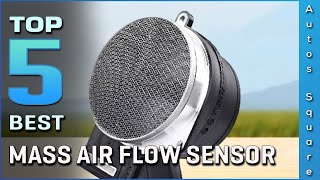
Helpful Videos
Technical Specifications
OEM Part Numbers: 23262344 22895480 23144941
The MAF sensor design changed between the C4 and C5 generations. Early C4s (pre-1990) used a Bosch hot-wire sensor with a burn-off circuit. Later C4s (1994-96) used an AC Delco hot-wire sensor. C5s initially used a 75mm sensor (1997-2000) and later switched to a larger 85mm sensor (2001-2004), with Z06 models featuring a screenless design for slightly more airflow.
We Have This Part in Stock




The information in this article is provided for general reference and educational purposes only. Vehicle specifications, procedures, and part compatibility can vary by production date, trim level, and region. Always consult your vehicle's factory service manual and verify part numbers before purchasing or performing repairs. Safety-critical components such as airbags, seat belts, and braking systems should be installed by a qualified professional.
- Chevrolet Corvette: