

A Guide to the 1991-2002 Pontiac Firebird Engine Oil Pressure Switch
Solve erratic oil gauge readings and protect your Firebird's engine by understanding this critical sensor.
- The most common symptom of failure is an erratic or pegged oil pressure gauge, not actual engine problems.
- Replacement difficulty varies drastically by engine; LS1 V8s (98-02) are very difficult, while others are much easier.
- Using a quality replacement part from a brand like Standard Ignition or ACDelco is recommended to avoid premature failure.
- Verify your specific engine and year before ordering, as sensor location and part numbers differ significantly.
Understanding the Engine Oil Pressure Switch in Your Firebird


A healthy engine needs steady oil pressure. The oil pressure switch is the part that monitors this pressure and reports it to you. When it fails, it can cause a lot of confusion, making you think you have a serious engine problem when you don't, or worse, failing to warn you when you actually do. For 1991-2002 Firebird owners, a faulty switch is a common issue, but it's one you can fix.
Symptoms of a Failing Oil Pressure Switch
🎬 Watch: 9 warning signs of a failing oil pressure sensorThe signs of a bad oil pressure switch are often electrical, not mechanical. This means you'll likely see strange behavior on your dash before you hear any unusual noises from the engine.
- Erratic Gauge Readings: The most common symptom is an oil pressure gauge that behaves strangely. The needle might swing wildly from low to high, get stuck at the maximum reading, or drop to zero intermittently.
- Gauge Pegged High: Many owners report the gauge getting stuck at its highest reading, even with the engine off. This often points to a short in the wiring or a failed sensor.
- Oil Warning Light: The oil warning light on your dash may flicker or stay on, even when you know the oil level is correct.
- Oil Leaks: The switch itself can fail internally and leak oil. You might see oil residue on the sensor or on the electrical connector.
Is It the Switch or the Engine?
A failing sensor usually doesn't cause mechanical engine noises like ticking or knocking. If you see a low oil pressure reading AND hear new engine noises, stop the car immediately and check your oil level. This could be a sign of a real, and serious, low oil pressure problem.
Choosing the Right Aftermarket Part

When replacing the oil pressure switch, you have a choice between OEM (ACDelco) and various aftermarket brands. For a critical sensor like this, quality matters.
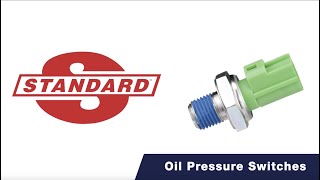
- Premium Aftermarket (e.g., Standard Ignition, Holstein): Brands like Standard Motor Products (SMP) and Holstein are well-known in the aftermarket. They often manufacture parts to meet or exceed original specifications and are a reliable choice for many owners and shops.
- Budget Aftermarket (e.g., Global Parts, True Tech): While more affordable, some budget-friendly brands may have higher failure rates or less accurate readings out of the box. Forum discussions often show owners having to replace a new, budget-part-store sensor with an OEM or premium aftermarket one after it failed quickly.
Pro Tip: Given the difficult location of the sensor on many Firebird models, it's often worth spending more on a quality part to avoid doing the job twice.
Generation and Engine Differences
The location of the oil pressure switch is very different depending on your Firebird's engine and year.
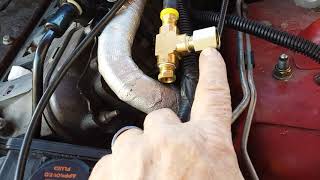
- 1998-2002 Firebird (LS1 V8): The sensor is notoriously difficult to access. It's located at the very back of the engine, behind the intake manifold and under the cowl. Replacement is a frustrating job that requires special tools and a lot of patience. Some owners choose to relocate the sensor to an easier-to-reach spot 🎬 See how to relocate the oil pressure sensor on an LS1 during replacement.
- 1994-1997 Firebird (LT1 V8): 🎬 Watch this step-by-step 94-97 LT1 replacement guide The sensor is also located behind the intake manifold, similar to the LS1, making it a challenge to replace.
- 1993 Firebird (LT1 V8): On this specific year, the sensor is in a much friendlier location, found on the driver's side of the engine block, just above the oil filter.
- V6 Models: On V6 engines, the sensor is typically easier to access, often located near the oil filter.
| Part/Service | Estimated Cost |
|---|---|
| New Aftermarket Switch | $8 - $83 |
| New OEM (ACDelco) Switch | $45 - $105 |
| Shop Labor | $100 - $450 |
Labor costs vary significantly based on engine type. The LS1 V8 is the most expensive due to the sensor's location.
Frequently Asked Questions

Why is my oil gauge pegged at the maximum?
This is a very common failure mode. It usually means the sensor has failed internally or the signal wire is shorted to ground somewhere between the sensor and the dashboard. Unplugging the sensor should cause the gauge to drop to zero; if it stays pegged, the problem is in the wiring.
Is it hard to replace the oil pressure switch myself?
It depends entirely on your engine. For a 1993 LT1 or a V6, it's a relatively easy DIY job. For a 1998-2002 LS1 V8, it is a very difficult and frustrating job due to the location behind the intake manifold. Many experienced mechanics dislike this job.
Do I need a special tool?
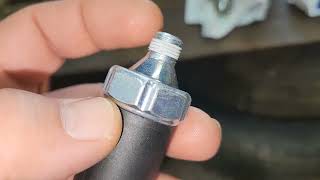
Yes, a special deep socket designed for oil pressure switches is highly recommended. The size is typically 1 1/16". Using the wrong tool can easily break the new sensor during installation.
Is there a difference between the 1998 and 1999-2002 LS1 sensors?
Yes. The 1998 model uses a different sensor and connector than the 1999-2002 models. It is critical to order the correct part for your specific year.
Should I use Teflon tape on the new sensor's threads?
Many new sensors come with a thread sealant already applied. If yours does not, you should use a small amount of Teflon tape or liquid thread sealant to prevent leaks. Do not overtighten the sensor, as this can damage it.
Helpful Videos


Technical Specifications
OEM Part Numbers: 19244504 12555492 D1808A D1818A
Varies by engine. 1998 LS1 uses a 2-wire sensor, while 1999-2002 LS1 uses a 1-wire sensor. LT1 and V6 models have different part numbers. Thread size is typically M16-1.5 for LS engines.
We Have This Part in Stock


The information in this article is provided for general reference and educational purposes only. Vehicle specifications, procedures, and part compatibility can vary by production date, trim level, and region. Always consult your vehicle's factory service manual and verify part numbers before purchasing or performing repairs. Safety-critical components such as airbags, seat belts, and braking systems should be installed by a qualified professional.
- Pontiac Firebird: