

Mercury Cougar A/C Compressor Guide for 1991-2002 Models
If your Cougar's A/C is blowing warm, this guide will help you find the right new aftermarket compressor.
- You MUST identify your Cougar's generation (1991-97 or 1999-02) to get the correct compressor.
- If the old compressor made noise, you must replace the accumulator, orifice tube, and flush the system to prevent 'Black Death' from killing the new part.
- Denso and Motorcraft are the highest quality brands; budget brands are a risk for long-term reliability.
- A/C system work requires professional refrigerant recovery and recharging; this is not a fully DIY job.
Understanding Your Cougar's A/C System: Two Generations
The 1991-2002 Mercury Cougar covers two very different cars, and their A/C systems are not the same. It's crucial to identify your specific model before buying parts.
- 1991-1997 (MN12 Platform): These are rear-wheel-drive models, sharing parts with the Ford Thunderbird. They were available with V6 and V8 engines. The A/C compressor used is often the Ford FS10 style.
- 1999-2002 (New Edge Platform): These are front-wheel-drive sport compacts, available with I4 and V6 engines. These models also commonly use an FS10 style compressor, but the fitment is different from the earlier generation. The 1999 model, in particular, was known for having some reliability issues, including faulty A/C systems. 🎬 Watch this video to learn about common 1999-2002 Cougar issues.
There was no 1998 Mercury Cougar produced.
Is Your A/C Compressor Failing? Common Symptoms
When a compressor starts to fail, it usually gives a few warning signs. Ignoring them can lead to more expensive repairs.
- Warm Air from Vents: This is the most obvious sign. If the compressor is weak, it can't pressurize the refrigerant enough to cool the air. This could also be a simple refrigerant leak, which is a common cause of A/C failure.
- Strange Noises: A grinding or rattling sound when the A/C is on points to failing internal parts. A loud squeal can mean the compressor's pulley bearing is bad or the compressor itself is seizing. A seized compressor on a 2002 Cougar was reported to prevent the engine from starting because the belt couldn't turn.
- Visible Leaks: Look for a greasy, oily residue on the compressor body. The system uses a special oil that circulates with the refrigerant, and a leak means both are escaping.
- Clutch Not Engaging: The compressor's clutch is a plate on the front of the pulley that should click and start spinning when you turn the A/C on. If it doesn't engage, or cycles on and off rapidly, there's a problem. This can sometimes be an electrical issue.
Warning: "Black Death" System Contamination
If your old compressor failed internally (made grinding noises), it likely sent tiny metal shavings throughout the entire A/C system. This is known as "Black Death". If you install a new compressor without cleaning the system, this debris will destroy the new part almost immediately. A full system replacement including the compressor, accumulator/drier, orifice tube, and a system flush is required.
Choosing a New Aftermarket A/C Compressor
When replacing your Cougar's A/C compressor, you have several options. For this part, the quality of aftermarket brands can vary significantly.
| Brand Tier | Brands | Assessment |
|---|---|---|
| OEM / Premium Aftermarket | Motorcraft, Denso, Valeo | Motorcraft is the original Ford part and the benchmark for quality. Denso is an original equipment supplier for many brands like Toyota and Honda and is known for excellent quality and durability, often considered the best choice if available. Valeo is another respected OEM supplier. These brands cost more but offer the best reliability. |
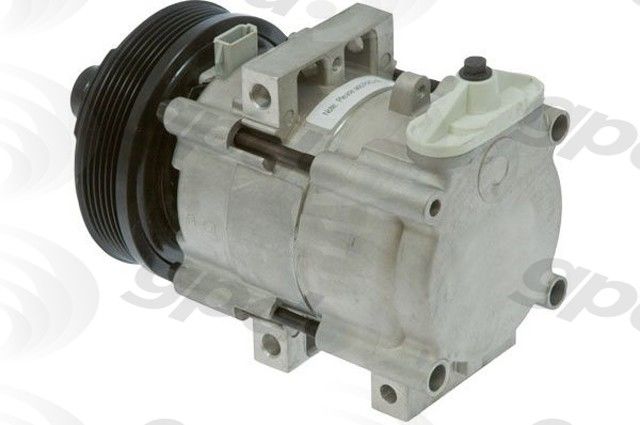
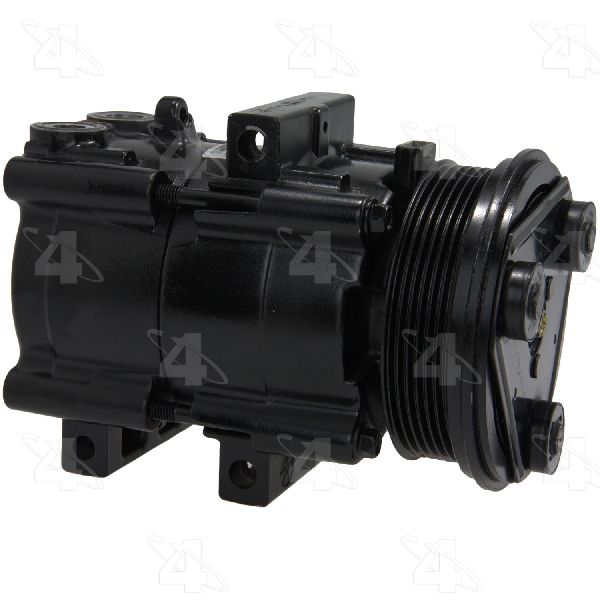
| Mid-Tier Aftermarket | Four Seasons, Global Parts (GPD) | Four Seasons is a very common aftermarket brand. Some users report success, while others have experienced failures within a year, especially compared to Motorcraft. GPD is another popular choice. These brands often offer complete kits, which are a good idea. They provide a balance of cost and quality. |
| Economy | Replacement, UAC, various store brands | These are the most budget-friendly options. They can be a good choice if you're selling the car or on a tight budget, but their long-term reliability can be a gamble. Always ensure they come with a warranty. Many users recommend spending more on a better brand to avoid doing the job twice. |
Pro Tip: Always Replace Other Components
When you replace the A/C compressor, you MUST also replace the accumulator (or receiver/drier) and the orifice tube. These parts trap moisture and debris. Your new compressor's warranty will likely be void if you don't replace them. Kits that include these parts are a smart buy.
Frequently Asked Questions (FAQ)
Were there any recalls on the Cougar A/C compressor?
No, a search of the National Highway Traffic Safety Administration (NHTSA) database did not find any specific recalls for the A/C compressor on any 1991-2002 Mercury Cougar models. There was a general service bulletin for some Ford vehicles regarding rattling sounds from compressors, but it was not a recall.
Can I replace just the A/C clutch?
Sometimes. If the compressor itself is still good but the clutch or its bearing has failed, you can often replace just the clutch assembly. 🎬 See how to replace an A/C compressor clutch and bearing. This is less expensive than a full compressor replacement. However, if the compressor is old or the failure was noisy, it's often safer to replace the entire unit.
Is this a DIY job?
It can be, but it's not for beginners. Replacing the compressor requires special tools, including a manifold gauge set and a vacuum pump. The refrigerant must be legally and safely recovered by a certified shop before you start work, and the system must be vacuumed and recharged by a professional after you're done. Failure to do this properly will result in poor performance and potential damage.
🎬 Watch a detailed guide on how to replace an A/C compressor.What is an orifice tube and why do I need to change it?
The orifice tube is a small part in the A/C line that controls refrigerant flow. It also has a mesh screen that acts as a filter. When a compressor fails, this screen is the first place metal debris gets caught. If you don't replace it, this debris will be sent right into your new compressor, causing it to fail. It's a cheap but critical part to replace.
What kind of refrigerant does my Cougar use?
Vehicles made before 1993, including early 1991-1993 Cougars, may have originally used R12 refrigerant. Most have been converted to the newer R-134a standard. Vehicles made after 1993, including all 1994-2002 Cougars, use R-134a from the factory. The fittings for these two types are different, so you cannot mix them up.
Helpful Videos

Technical Specifications
OEM Part Numbers: YC-2523 YC-2522
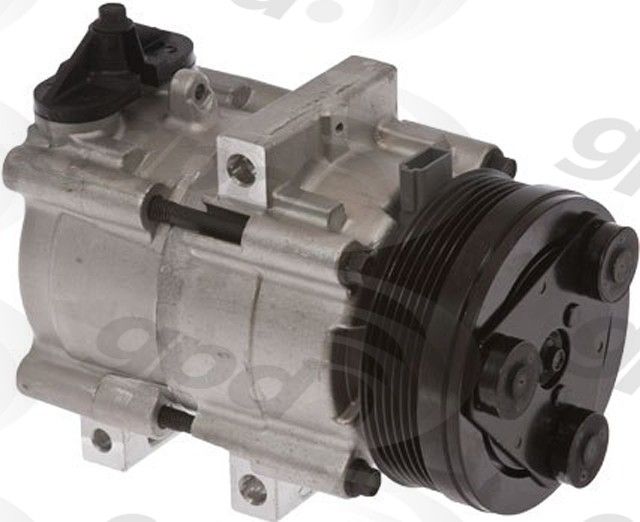
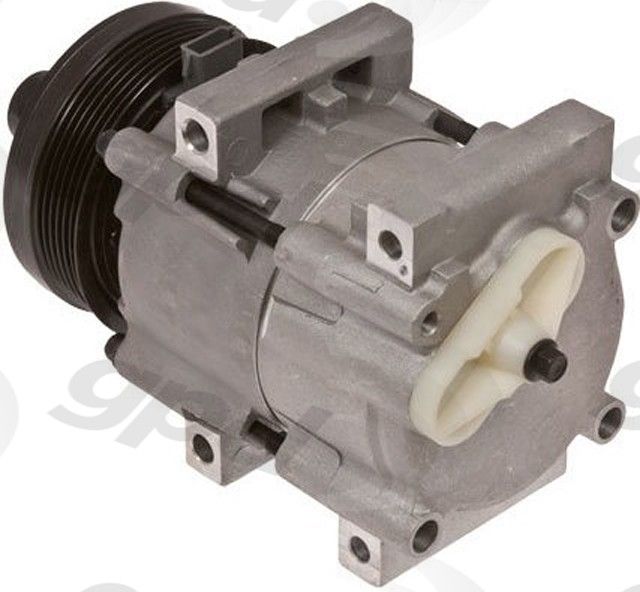
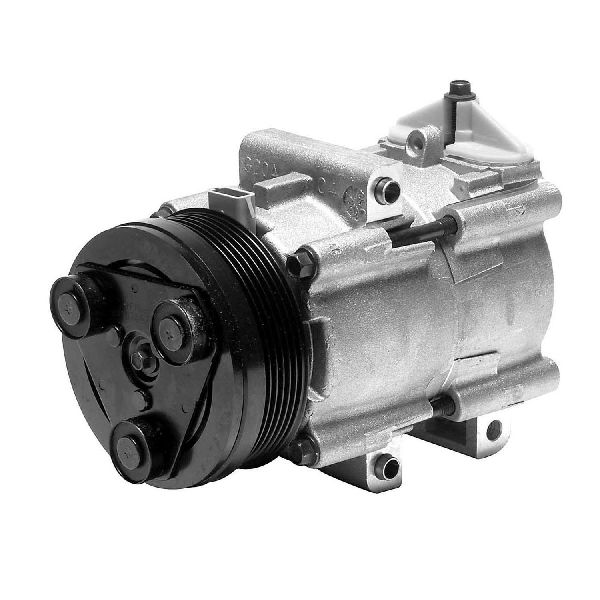
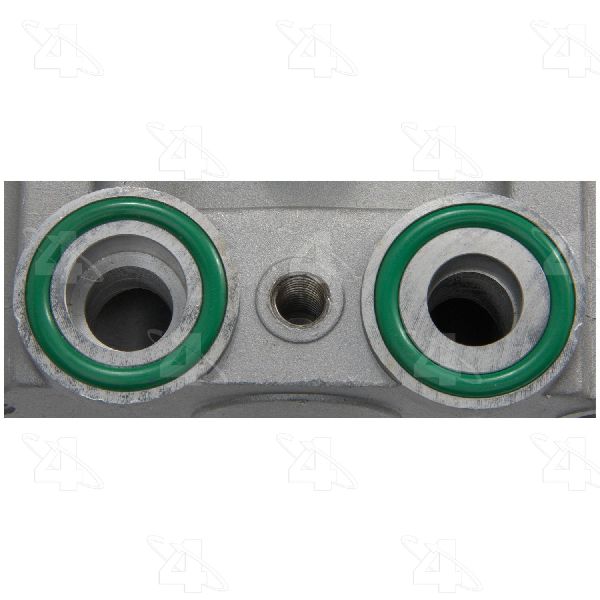
Most 1991-2002 Mercury Cougars use a Ford FS10 style compressor with a 6-groove pulley. However, the specific mounting, clutch, and port locations vary significantly between the 1991-1997 and 1999-2002 generations and by engine type (V6 vs. V8). Always verify the exact part number for your specific vehicle.
We Have This Part in Stock

The information in this article is provided for general reference and educational purposes only. Vehicle specifications, procedures, and part compatibility can vary by production date, trim level, and region. Always consult your vehicle's factory service manual and verify part numbers before purchasing or performing repairs. Safety-critical components such as airbags, seat belts, and braking systems should be installed by a qualified professional.
- Mercury Cougar: