

Ford Explorer (1991-2002) Vehicle Speed Sensor Guide
Is your Explorer's speedometer acting up or the transmission shifting hard? Your Vehicle Speed Sensor might be the problem.
- A faulty VSS can mimic a catastrophic transmission failure; always check this inexpensive sensor first.
- The most common location for the VSS on these Explorers is on top of the rear differential, held by one bolt.
- A flashing 'O/D OFF' light is a classic symptom of a VSS problem in 1991-2002 Explorers.
- Stick with reputable aftermarket brands like Standard Ignition (SMP) or Delphi for a balance of quality and price.
Is Your Explorer's Speed Sensor Failing?

A bad Vehicle Speed Sensor (VSS) in a 1991-2002 Explorer can cause more than just an incorrect speedometer reading. Because the sensor's data is used by the transmission, symptoms are often confused with a major transmission failure. Watch for these signs:
- Erratic or Dead Speedometer: The needle may jump around, read incorrectly, or not move at all.
- Harsh or Delayed Shifting: The automatic transmission may slam into gear, hesitate, or shift at the wrong times.
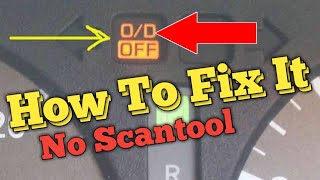
- Flashing "O/D OFF" Light: This is a very common symptom in this generation of Explorer, indicating a transmission-related fault 🎬 Watch how to diagnose a flashing O/D light with a scanner., often triggered by a bad VSS signal.
- ABS Light On: The VSS on the rear differential also provides data for the Rear Anti-lock Brake System (RABS). A failure can trigger the ABS warning light.
- Cruise Control Not Working: The cruise control system relies on a steady speed signal to function. If the signal is gone, the cruise control won't engage.
- Check Engine Light: A VSS failure will often store a diagnostic trouble code, such as P0500, and turn on the check engine light.
Don't Mistake a Sensor Failure for a Bad Transmission
Many of the most severe symptoms, like harsh shifting and the flashing "O/D OFF" light, can make an owner think their transmission needs a costly rebuild. Before spending thousands on a new transmission, always check the VSS first. It's a common failure point and a much cheaper and easier repair.
Location of the Sensor

Finding the VSS on your 1991-2002 Explorer depends on your specific model and drivetrain:
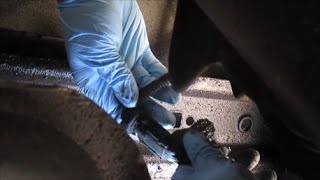
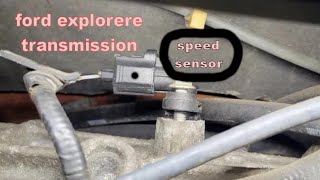
- Rear Differential: For most two-wheel drive (2WD) and many four-wheel drive (4WD) models equipped with Rear ABS, the main VSS is located on the top of the rear differential housing. It's held in by a single bolt. 🎬 See how to replace the rear differential wheel speed sensor.
- Transfer Case (4WD): Some 4WD models have the VSS located on the rear of the transfer case.
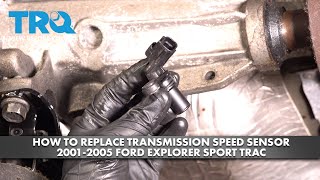
- Transmission Output Shaft (OSS): Some models have a separate Output Shaft Sensor (OSS) on the transmission itself, which performs a similar function for the transmission. It's important to correctly identify which sensor your vehicle uses. 🎬 Watch this video to locate the transmission output shaft sensor.
Pro Tip: Check Your Connector

When replacing the sensor, always inspect the wiring and electrical connector. Corrosion or damage to the connector, especially on the rear axle, is common and can cause the same symptoms as a bad sensor. Cleaning the connector or replacing a damaged pigtail might be all that's needed.
Choosing the Right Aftermarket VSS

When it comes to electronic sensors, quality matters. While you don't always need to buy the most expensive part, choosing a reputable brand can save you from doing the job twice.
Brand Quality Tiers
- OEM (Original Equipment Manufacturer): Motorcraft is Ford's official parts brand. It's the benchmark for fit, function, and durability, but also the most expensive option.
- Premium Aftermarket: Brands like Standard Ignition (SMP) and Delphi have a strong reputation for producing high-quality sensors that meet or exceed OEM specifications. They are an excellent choice for a reliable repair without the OEM price tag.
- Reputable Mid-Range: Dorman and Walker Products are popular choices. Dorman sometimes offers "OE FIX" versions that improve on the original design. While generally reliable for this part, forum discussions show mixed experiences with some of their other electronic parts.
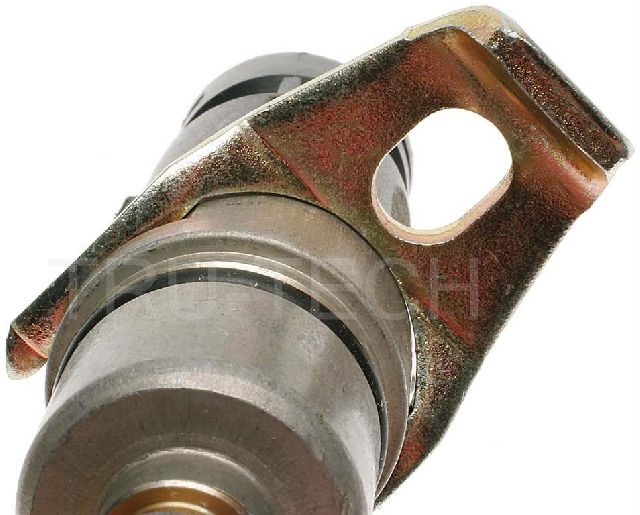
- Economy Brands: Brands like True Tech and Global Parts are budget-friendly options. While they can get your vehicle back on the road, their long-term durability and sensor accuracy may not match the higher-tier brands.
| Part Type | Estimated Cost |
|---|---|
| New Aftermarket (Economy) | $21 - $45 |
| New Aftermarket (Premium) | $45 - $90 |
| New OEM (Motorcraft) | $90 - $270+ |
| Shop Labor for Installation | $50 - $100 |
Frequently Asked Questions
Can I replace the Vehicle Speed Sensor myself?
Yes, this is a very DIY-friendly job for most home mechanics. The sensor is usually held in by a single bolt and is easy to access on the rear differential or transfer case. The main challenge can be a seized bolt or a sensor that is stuck in the housing. Gently wiggling it back and forth usually frees it.
What is the difference between a VSS and an ABS sensor?
For many 1991-2002 Explorers, the sensor on the rear differential serves as both the Vehicle Speed Sensor for the speedometer/transmission and the rear wheel speed sensor for the ABS system. However, vehicles may also have separate ABS sensors at each front wheel. If you have a code for a specific wheel (e.g., front left), that is a separate ABS sensor, not the main VSS.
Are there any recalls for the speed sensor on my Explorer?
There are no direct, widespread recalls specifically for the Vehicle Speed Sensor on the 1991-2002 Ford Explorer. There was a recall (09S09) for a faulty Speed Control Deactivation Switch (SCDS) that could leak and cause a fire, but this is a different part from the VSS itself. Always check the NHTSA website with your VIN for any open recalls on your specific vehicle.
Do I need to reset the computer after replacing the sensor?
After replacing the sensor, the check engine light and O/D OFF light should turn off after a few drive cycles. For an immediate reset, you can clear the codes with an OBD-II scanner or disconnect the battery's negative terminal for about 15 minutes.
Helpful Videos
Technical Specifications
OEM Part Numbers: F85Z9E731AB DY1123 F7TZ9E731AA 9L2Z9E731A
Typically a two-wire, magnetic pickup sensor. Location varies between the rear differential (for RABS models) and the transmission/transfer case.
We Have This Part in Stock


The information in this article is provided for general reference and educational purposes only. Vehicle specifications, procedures, and part compatibility can vary by production date, trim level, and region. Always consult your vehicle's factory service manual and verify part numbers before purchasing or performing repairs. Safety-critical components such as airbags, seat belts, and braking systems should be installed by a qualified professional.
- Ford Explorer: