

A Guide to Aftermarket Brake Pads for the 1991-2002 Bentley Continental
Stopping a classic luxury car requires the right parts; here is what you need to know about your brake pad options.
- For a heavy car like the Continental, do not opt for the cheapest pads; prioritize quality for safety and performance.
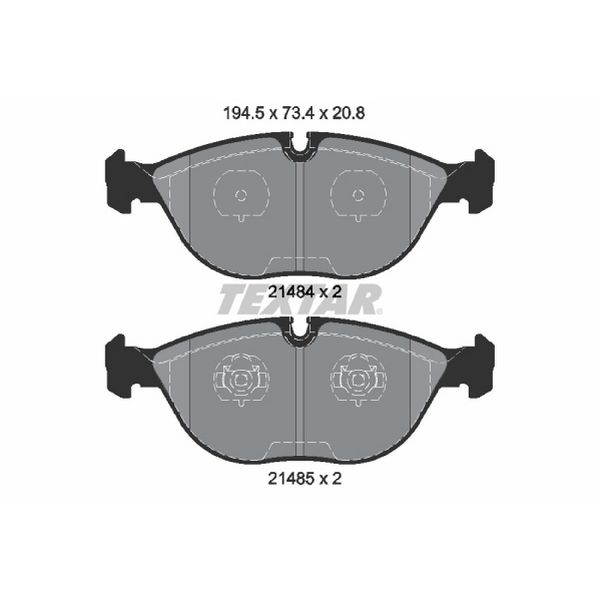
- Premium aftermarket brands like Textar and Bosch can offer OEM-level performance, while mid-grade options from Centric and Bendix provide a good balance of quality and cost.
- Always inspect brake rotors when changing pads and plan to replace them for best results.
- Due to the vehicle's complexity and the critical nature of brakes, professional installation is strongly recommended.
Signs Your Brake Pads Need Replacing
Worn brake pads can be dangerous. Pay attention to these warning signs that indicate it's time for a replacement. Ignoring them can lead to more expensive repairs, like needing to replace the brake rotors as well.
- Squealing or Screeching Noises: A high-pitched squeal when you brake is often the first sign. This sound comes from a small metal tab called a wear indicator, which is designed to alert you that the pads are thin.
- Grinding Sounds: If you hear a deep, metallic grinding, it means the brake pads are completely worn away. This is a critical situation, as it's metal-on-metal contact that can quickly destroy your brake rotors.
- Vibration in the Pedal or Steering Wheel: A pulsating or vibrating feeling when you apply the brakes can be a sign of worn-out pads or warped rotors.
- Brake Warning Light: If your dashboard's brake warning light comes on, it's a clear signal to have your brake system inspected immediately.
- Car Pulling to One Side: If your Continental pulls to the left or right when braking, it could mean uneven wear or a problem with a brake caliper.
Choosing the Right Aftermarket Brake Pads
Your 1991-2002 Bentley Continental is a high-performance machine, and its weight demands high-quality brakes. While original equipment (OEM) pads offer a known standard of quality, premium aftermarket brands can provide similar or even better performance, often with benefits like reduced dust or a lower price. Here’s how the available brands generally stack up for a vehicle like yours.
Brand Quality Tiers
| Tier | Brands | Best For |
|---|---|---|
| Premium / OEM-Equivalent | Textar, Bosch (Premium Lines) | Owners who want to maintain the original braking feel and performance. Textar is a known OEM supplier for many European vehicles and focuses on quiet, comfortable braking with excellent performance. Bosch is another reputable German brand known for quality and reliability. |
| Mid-Grade / Daily Driver | Centric, Bendix | A good balance of performance, quality, and value. Centric is known for offering pads that meet or exceed OEM specifications. Bendix provides reliable semi-metallic options suitable for daily use. |
| Economy | Pronto | Budget-focused repairs. While functional, economy pads may not offer the same level of performance, quietness, or longevity as premium options, which is a significant consideration for a heavy, powerful vehicle like a Bentley. |
A Note on Pad Material
For a heavy, luxury vehicle like the Continental, semi-metallic or high-quality ceramic pads are the best choices. Semi-metallic pads offer excellent stopping power and heat dissipation, which is crucial for performance driving. Ceramic pads are quieter and produce less brake dust, keeping your wheels cleaner, which many luxury car owners prefer.
Frequently Asked Questions (FAQ)
Do I need to replace brake rotors with the pads?
It is highly recommended. For optimal safety and performance, pads and rotors should be replaced together. Installing new pads on old, worn rotors can cause uneven braking, noise, and premature wear of the new pads. At a minimum, have the rotors inspected for thickness and warping.
Why are my new brakes squeaking?
New brakes can sometimes squeak during the "bedding-in" period as the pads and rotors create a matched surface. This usually goes away after the first 100 miles. Squeaking can also be caused by not applying brake grease to the back of the pads during installation or if there is debris between the pad and rotor.
Can I replace brake pads myself?
While it is possible for an experienced home mechanic, it is a moderately difficult job. The Bentley Continental has a complex hydraulic system and heavy components. Special tools, like a caliper piston compressor, are required. For safety and peace of mind, professional installation is recommended for most owners.
Are there any recalls for my Bentley's brakes?
There are no specific brake pad recalls for the 1991-2002 Bentley Continental according to NHTSA data. However, a recall (13V484000) was issued for later model years (2007-2011) with carbon ceramic brakes for an issue with rotor screws, but this does not apply to the 1991-2002 generation.
Technical Specifications
The 1991-2002 Bentley Continental uses a hydraulic brake system. Depending on the specific model and year (e.g., Continental R, T, or Azure), caliper and pad designs may vary slightly. It is crucial to verify the exact fitment using the vehicle's VIN. Most models in this era use semi-metallic pads from the factory.
We Have This Part in Stock

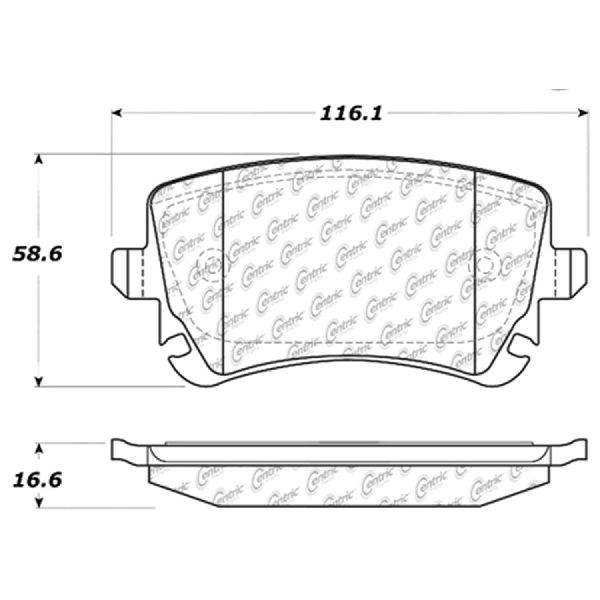
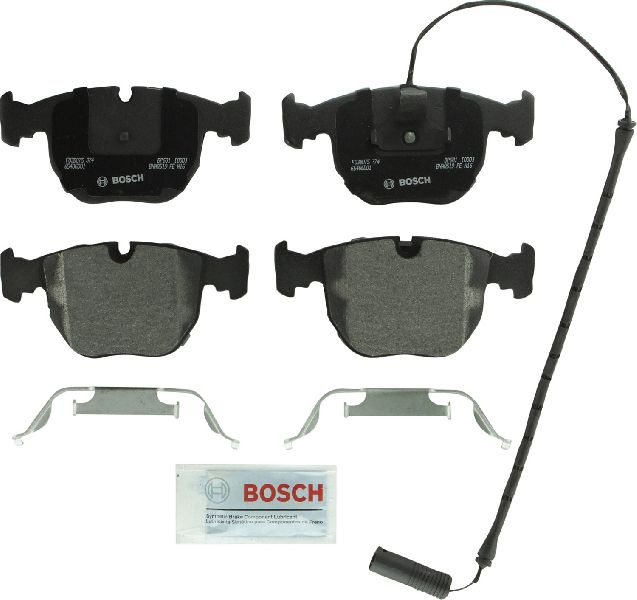
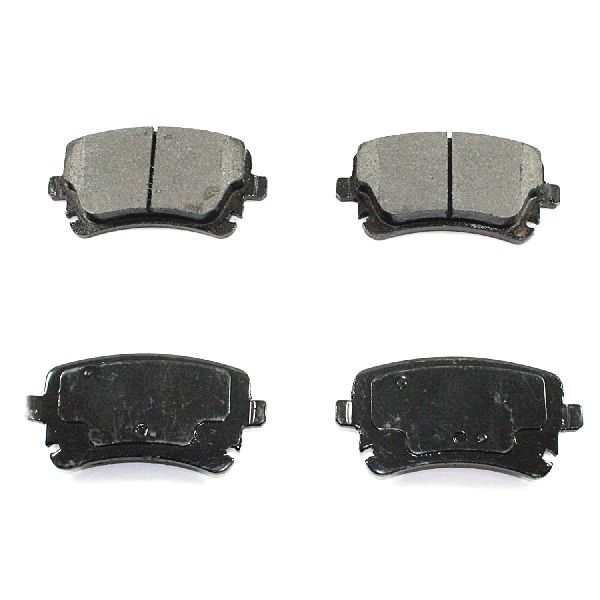
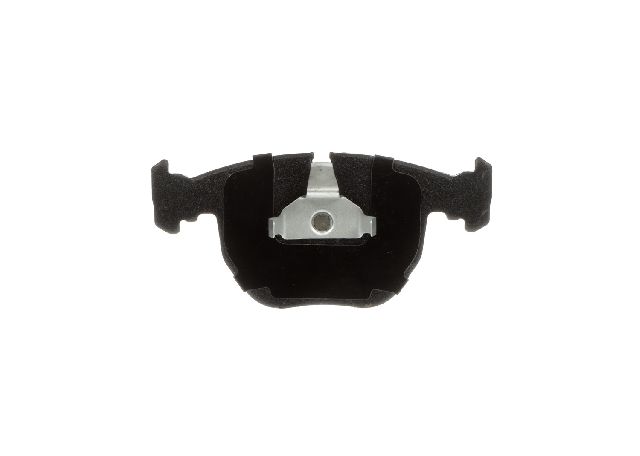

The information in this article is provided for general reference and educational purposes only. Vehicle specifications, procedures, and part compatibility can vary by production date, trim level, and region. Always consult your vehicle's factory service manual and verify part numbers before purchasing or performing repairs. Safety-critical components such as airbags, seat belts, and braking systems should be installed by a qualified professional.
- Bentley Continental: