

Acura NSX Oxygen Sensor Guide for 1991-2000 Models
Ensure your NSX's V6 engine performs at its peak by understanding and choosing the right oxygen sensors.
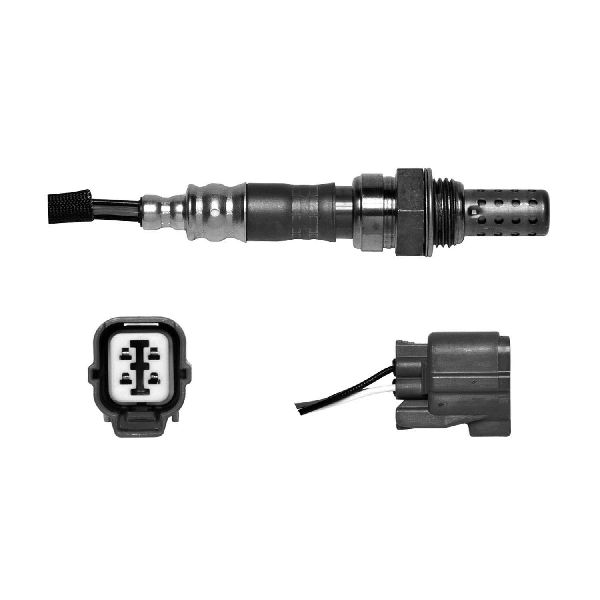
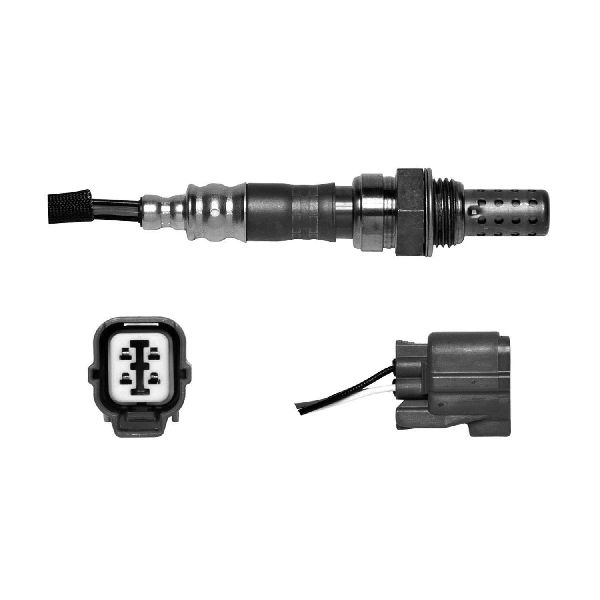
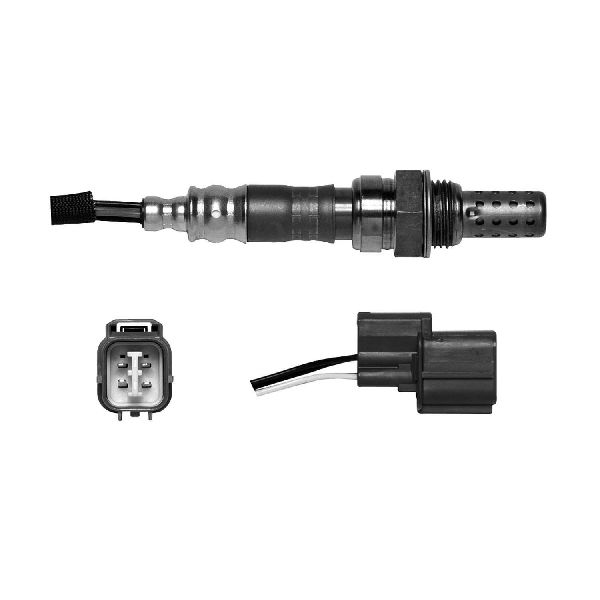
- For best results, use direct-fit oxygen sensors from OEM brands NTK (NGK) or Denso.
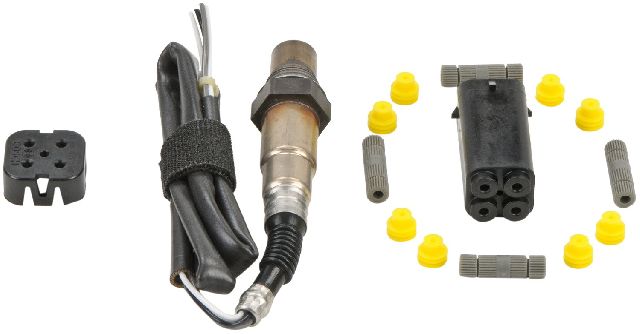
- Avoid universal sensors that require wire splicing and be cautious with Bosch sensors on Honda/Acura applications.
- 1991-1994 models have two upstream sensors; 1995-2000 models have four sensors (two upstream, two downstream).
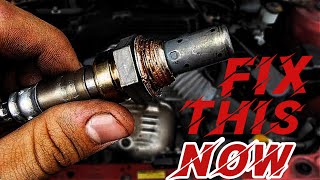
- Ignoring a bad O2 sensor can lead to poor performance, bad fuel economy, and potential damage to the catalytic converter.
Signs of a Failing Oxygen Sensor
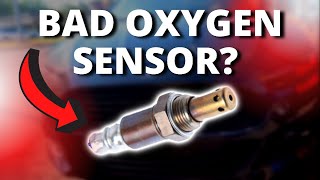
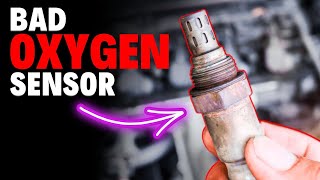
A bad oxygen sensor can cause noticeable problems. The most common sign is the Check Engine Light illuminating on your dashboard. You may also experience poor fuel economy, as the engine's computer may be receiving incorrect data and supplying too much fuel. Other symptoms include a rough idle, engine hesitation or misfires, and a rotten egg or sulfur smell from the exhaust. In some cases, a failing sensor can even lead to a failed emissions test or, if ignored long enough, damage to the expensive catalytic converters.
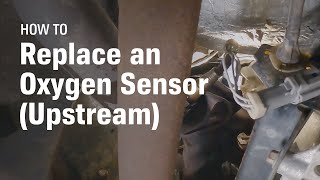
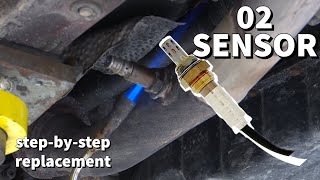
🎬 Watch: 6 common symptoms of a failing oxygen sensorChoosing the Right Aftermarket Oxygen Sensor
When replacing oxygen sensors on an NSX, quality matters. The engine's computer is sensitive, and using a low-quality sensor can lead to persistent performance issues. Aftermarket brands for the NSX can be grouped into tiers based on quality and owner feedback.
Tier 1: OEM-Equivalent (Recommended)
Brands: Denso, NGK (NTK)
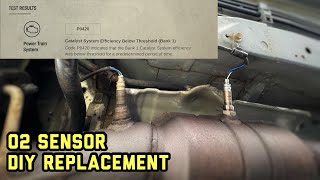
NTK, a division of NGK, is the original equipment manufacturer for the Acura NSX oxygen sensors. Denso is also a primary OEM supplier for Honda and Acura. Choosing a direct-fit sensor from one of these two brands is the safest bet for performance and longevity. 🎬 See this step-by-step Honda and Acura O2 sensor replacement They are designed to the exact specifications of your vehicle and come with the correct connectors, requiring no cutting or splicing. An NSX-specific vendor notes that NTK sensors perform better and last longer in these cars.
Tier 2: Reputable Aftermarket
Brands: Bosch, Delphi, Spectra
These brands are well-known in the aftermarket. However, many Honda and Acura enthusiasts report issues with Bosch sensors, suggesting they sometimes don't work well with the vehicle's engine management system. While they may be cheaper, they are generally not recommended for the sensitive primary (upstream) sensor positions on an NSX. If used, they are a safer choice for the less critical downstream positions.
Tier 3: Budget & Universal Options
Brands: DriveWire, Walker Products, Universal Sensors
This category includes the most affordable options. Universal sensors require you to cut the old connector off your original sensor and splice it onto the new one. This process introduces a potential point of failure and is generally not recommended. Budget direct-fit brands may offer a low price, but their long-term reliability and performance can be questionable. Given the caliber of the NSX, it is wise to invest in higher-quality sensors to avoid future headaches.
| Part Type | Estimated Cost |
|---|---|
| New Aftermarket (Budget/Universal) | $25 - $70 |
| New Aftermarket (Denso/NGK Direct-Fit) | $75 - $180 |
| New OEM (Dealer) | $250 - $800+ per sensor |
| Shop Labor | $100 - $250 per sensor |
Frequently Asked Questions
How many oxygen sensors does my 1991-2000 NSX have?
It depends on the year. Pre-OBD-II models (1991-1994) have two primary (upstream) oxygen sensors. OBD-II models (1995-2000) have four sensors: two upstream and two downstream (post-catalytic converter).
What is the difference between an upstream and downstream sensor?
Upstream sensors (also called primary or Sensor 1) are located in the exhaust manifold before the catalytic converter. They are critical for managing the engine's air-fuel ratio. Downstream sensors (Sensor 2) are located after the catalytic converter and their main job is to monitor the converter's health and efficiency. The upstream sensors are more sensitive and have a greater impact on performance.
Can I use a cheaper universal oxygen sensor?
You can, but it is not recommended for an NSX. Universal sensors require cutting your factory wiring harness and splicing it to the new sensor. This can create a weak point in the connection and lead to incorrect readings or premature failure. A direct-fit sensor from a quality brand like Denso or NTK is a much more reliable solution.
Do I need a special tool to replace an oxygen sensor?
Yes, it is highly recommended to use an oxygen sensor socket. This is a special deep socket with a slot cut down the side to accommodate the sensor's wiring. Using one prevents damage to the wires during removal and installation.
🎬 Watch: Pro tips and tricks for replacing your oxygen sensorWere there any recalls for the 1991-2000 NSX oxygen sensor?
No, searches of the NHTSA database and other sources did not find any recalls or technical service bulletins (TSBs) specifically for oxygen sensors on the 1991-2000 Acura NSX.
Helpful Videos

Technical Specifications
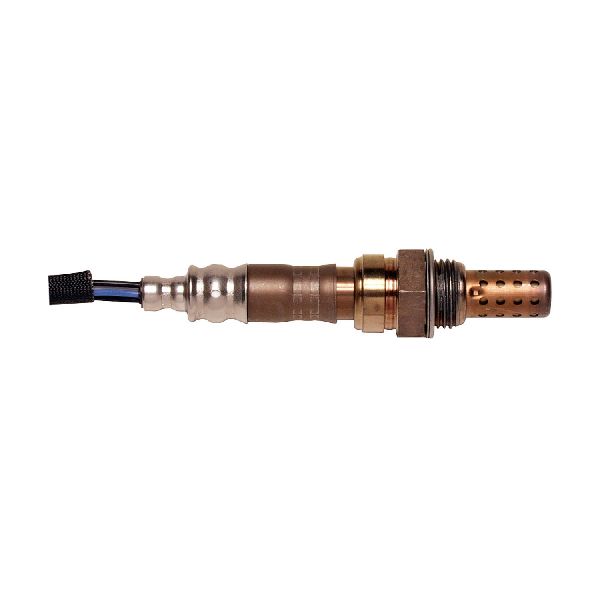
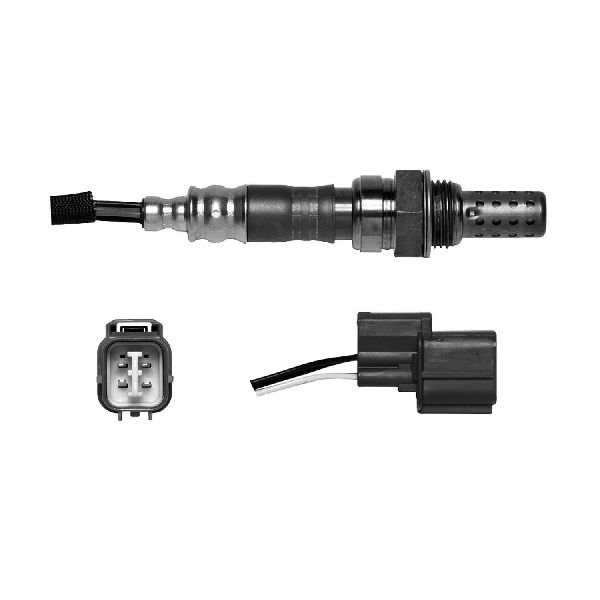
OEM Part Numbers: 36531-PR7-A01 36531-PR7-A02 36531-PR7-A11 36532-PR7-A01 36532-PR7-A02 36532-PR7-A11 36541-PR7-A31 36542-PR7-A31
Varies by year and location. 1991-1994 models use two upstream sensors. 1995-2000 models use two upstream and two downstream sensors. All are heated 4-wire sensors with vehicle-specific connectors.
We Have This Part in Stock

The information in this article is provided for general reference and educational purposes only. Vehicle specifications, procedures, and part compatibility can vary by production date, trim level, and region. Always consult your vehicle's factory service manual and verify part numbers before purchasing or performing repairs. Safety-critical components such as airbags, seat belts, and braking systems should be installed by a qualified professional.
- Acura NSX: