

Ford Ranger 1991-1997 Ignition Control Module Guide
Diagnose and fix common no-start, stalling, and rough running issues related to a failing ignition module in your Ranger.
- Stalling when the engine is hot is the #1 symptom of a failing ignition module on these Rangers.
- Location varies: check if your module is on the distributor (needs a special tool) or remotely mounted on a heat sink.
- Always apply the new thermal paste that comes with the part; do not use dielectric grease.
- For best results, use a Motorcraft replacement, but quality aftermarket brands like Standard or Delphi are good alternatives.
Is Your Ranger Stalling When Hot? It Could Be the Ignition Module

One of the most common complaints for 1991-1997 Ford Rangers is an engine that suddenly stalls, especially after it has warmed up. The truck may refuse to start back up until it has cooled down for 20-30 minutes. This classic sign of heat-related failure points directly to a faulty ignition control module (ICM). Other serious symptoms include a complete no-start condition where the engine just cranks, engine sputtering or misfiring, a bouncing tachometer needle, and a general lack of power.
Known Issues: A History of Heat Problems

Heat is the primary cause of failure for these modules. On earlier models in this generation, Ford mounted the ignition module directly to the side of the distributor. This location exposed the module to intense engine heat, leading to frequent failures. In later models, Ford recognized this issue and moved the module away from the engine block to a heat sink, typically located on the driver's-side fender or near the radiator support for better cooling. While no official recalls were issued for the 1991-1997 models for this part, older Ford Technical Service Bulletins (TSBs) addressed problems like stalling from moisture causing a bad ground at the module's mounting screw and internal short-circuits.
Finding Your Module
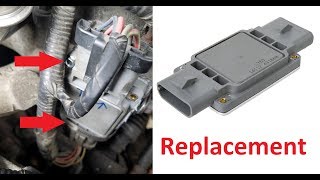
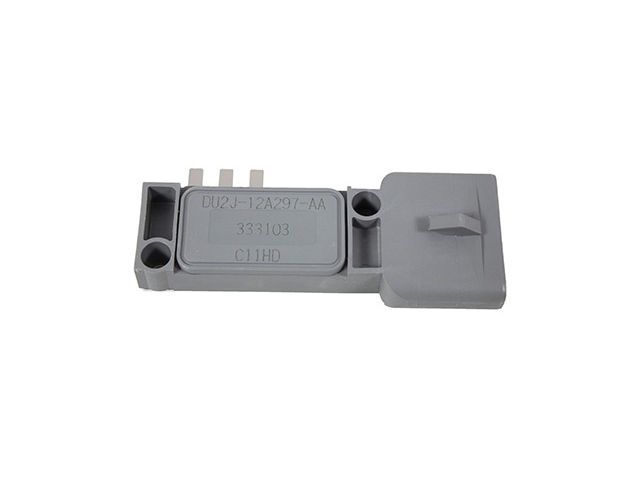
Before you buy, check where your module is located. If it's on the distributor (back of the engine), you have a distributor-mounted module. If it's on a silver finned heat sink on the fender wall or near the radiator, you have a remote-mounted module. They are different parts. Note: Some 1995-1997 2.3L engines use a Distributorless Ignition System (DIS) module mounted to the intake manifold, which is very difficult to access. Some 1997 4.0L V6 models may have the function integrated into the main computer (PCM).
Choosing Your Aftermarket Replacement: Motorcraft vs. Aftermarket

When it comes to critical electronics, the choice of brand matters. Here’s an honest breakdown for your Ranger:
- Motorcraft: This is Ford’s own brand and the original equipment (OEM) part. For reliability and guaranteed compatibility, Motorcraft is the most recommended choice among experienced Ranger owners. While they can still fail, they are the benchmark for quality.
- Standard Ignition (SMP): Standard is a large, reputable aftermarket manufacturer. Their parts are a common replacement and are widely available. They are generally considered a reliable alternative to OEM.
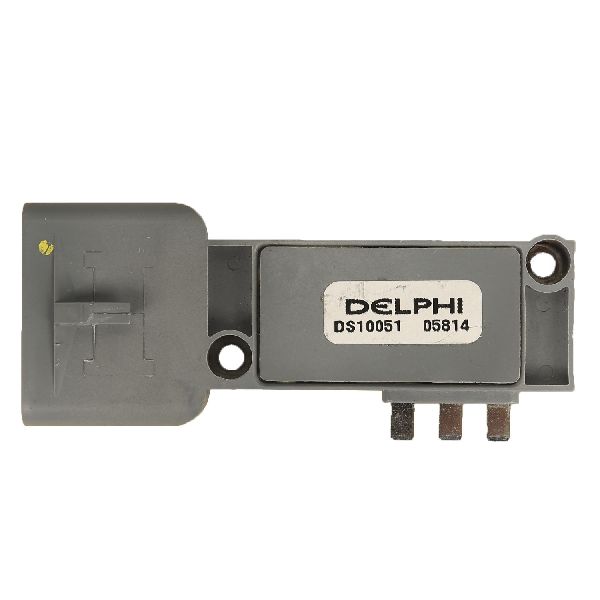
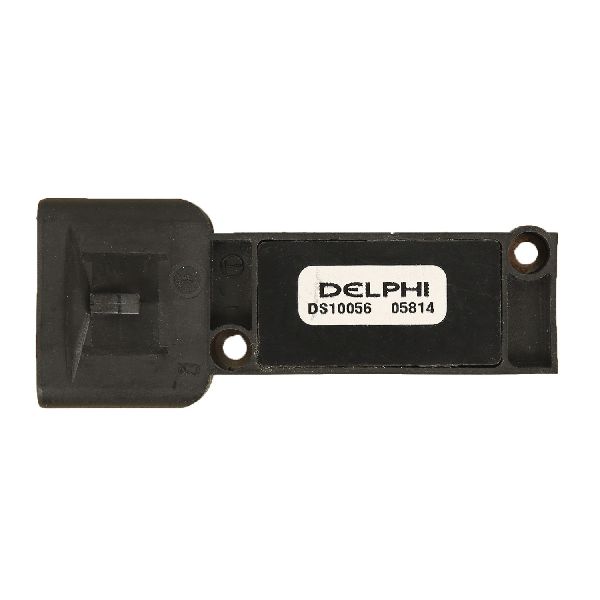
- Delphi: Delphi is another massive OEM supplier for many car brands and has a strong aftermarket presence. Like Standard, they are a solid choice if a Motorcraft part is unavailable or out of budget.
The Verdict: While Motorcraft is the safest bet, a quality aftermarket part from Standard or Delphi will also perform well. The most critical factor for the lifespan of ANY new module is correct installation, which means cleaning the mounting surface and applying the included thermal paste.
Installation Warning: Use Thermal Paste, NOT Dielectric Grease!
Your new ignition module will come with a small packet of white or silver thermal compound. You MUST apply a thin layer of this paste to the entire metal back of the module before installation. This paste helps transfer heat to the heat sink or distributor base. Using dielectric grease will insulate the module, causing it to overheat and fail quickly.
Ignition Control Module Cost for 1991-1997 Ford Ranger
| Part Type | Estimated Cost |
|---|---|
| New Aftermarket (e.g., Delphi, Standard) | $82.70 - $261.65 |
| New OEM (Motorcraft) | $100 - $280 |
| Shop Labor | $100 - $250 |
Cost estimates are approximate and can vary by location and vehicle configuration.
Frequently Asked Questions

Can I test my old ignition module?
Many auto parts stores can test ignition modules. However, these tests are often done when the module is cool. Since failure is commonly caused by heat, a module can pass a test at the store but still be bad once it heats up in your engine bay. If you have classic heat-related stalling, replacing the module is often the most direct solution.
Do I need a special tool for the replacement?
Yes, if your module is mounted on the distributor. The bolts are in a tight space and require a special thin-walled 5.5mm or 7/32-inch socket to remove them. This tool is inexpensive and available at most auto parts stores. Remote-mounted modules typically use standard bolts that do not require a special tool.
What are the most common failure symptoms?
The most common symptoms are the engine stalling when it gets hot and then restarting after it cools down, a complete no-spark/no-start condition, rough idling, and a tachometer that bounces erratically.
What happens if I don't replace a failing module?
A failing module will get progressively worse. The stalling will become more frequent until the truck eventually won't start at all, potentially leaving you stranded. It is a critical component for engine operation.
Helpful Videos
Technical Specifications
OEM Part Numbers: DY1077 5U2Z12A297D F1PZ-12A297-A LX230 LX241 DY959
Also known as a TFI (Thick Film Ignition) Module. Available in distributor-mounted and remote-mounted versions. Requires application of thermal heat sink compound for installation.
We Have This Part in Stock


The information in this article is provided for general reference and educational purposes only. Vehicle specifications, procedures, and part compatibility can vary by production date, trim level, and region. Always consult your vehicle's factory service manual and verify part numbers before purchasing or performing repairs. Safety-critical components such as airbags, seat belts, and braking systems should be installed by a qualified professional.
- Ford Ranger:
- 🎬 Helpful Videos
- 🛍️ Shop This Part
- Is Your Ranger Stalling When Hot? It Could Be the Ignition Module
- Known Issues: A History of Heat Problems
- Choosing Your Aftermarket Replacement: Motorcraft vs. Aftermarket
- Ignition Control Module Cost for 1991-1997 Ford Ranger
- Frequently Asked Questions
- 🎟️ Get 5% Off