

Mazda Navajo Engine Coolant Temperature Sensor Guide (1991-1994)
Learn how a small, inexpensive sensor can cause major running problems in your Navajo's 4.0L V6 engine.
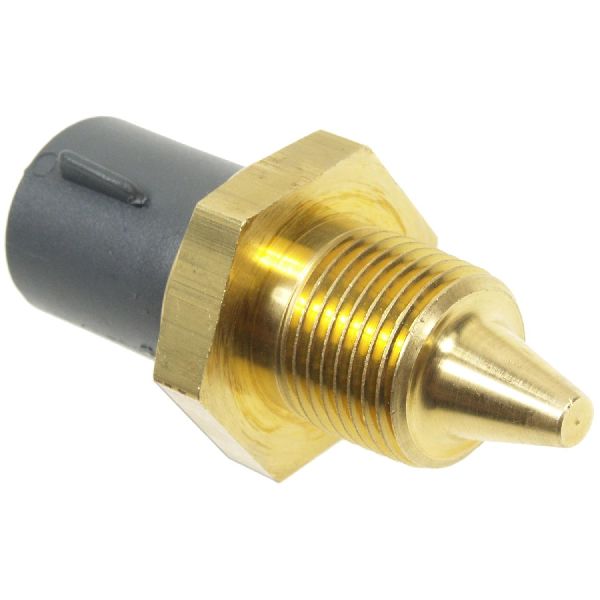
- Verify you are replacing the correct part: the two-wire ECT Sensor for engine performance, not the one-wire sender for the dash gauge.
- Symptoms of failure directly impact drivability, causing poor fuel economy, black smoke, and a Check Engine Light.
- This is a very simple and inexpensive DIY repair that most owners can complete in under an hour.
- Premium aftermarket brands like NGK or Standard Ignition provide reliable, cost-effective alternatives to the OEM part.
Is Your Navajo Running Poorly? It Could Be the ECT Sensor
Because the 1991-1994 Mazda Navajo is a rebadged Ford Explorer, it shares the same 4.0L Cologne V6 engine and its common issues. A failing Engine Coolant Temperature (ECT) sensor is a frequent cause of poor performance. This sensor provides critical data to your engine's computer. When it sends bad information, the engine doesn't know how hot it is, leading to a host of problems.
Sensor vs. Sender: A Common Mistake
Your Navajo's 4.0L engine has two temperature units near the thermostat housing. Ordering the wrong one is a common error.
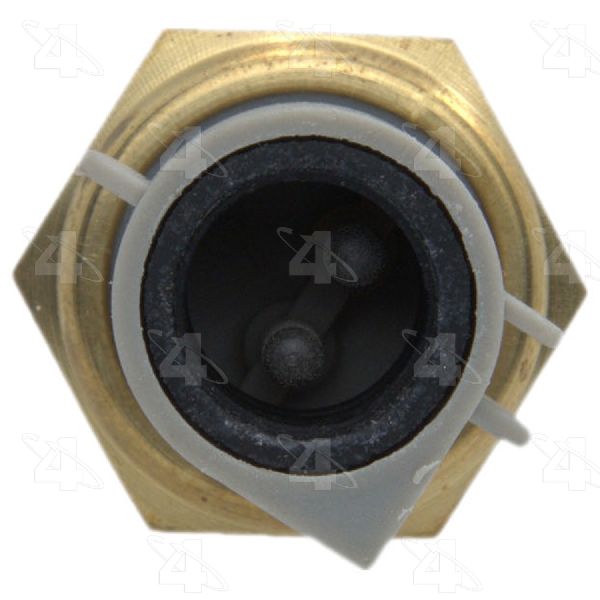
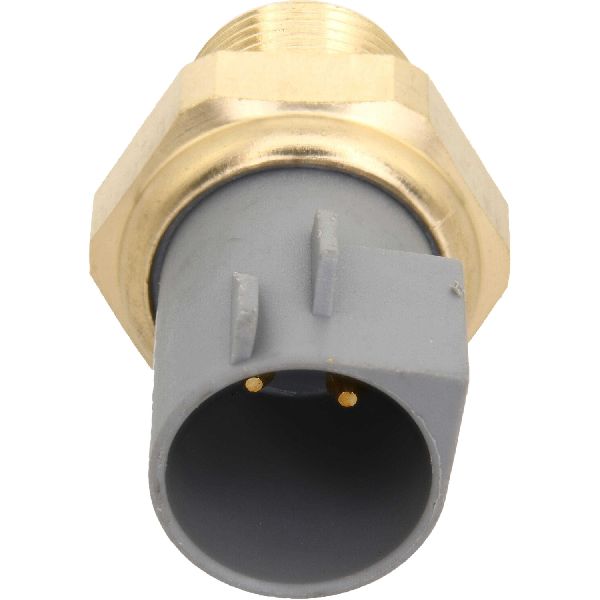
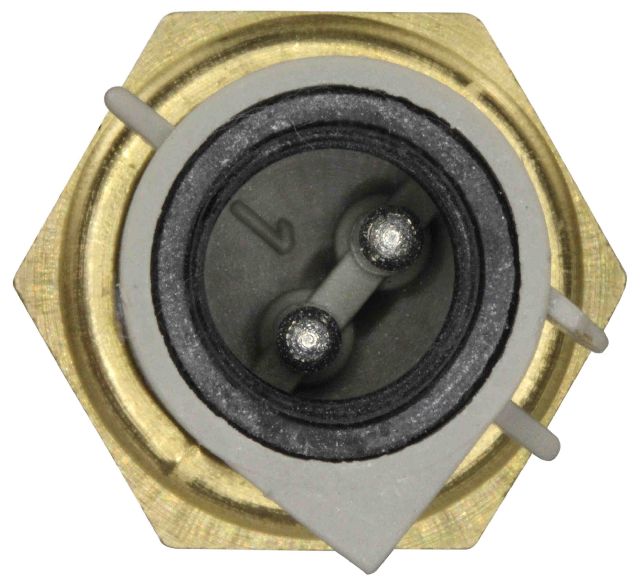
- ECT Sensor (for the Computer): This has a two-wire connector. It affects engine performance and can trigger the Check Engine Light. This is the part this guide covers.
- Temperature Sender (for the Gauge): This has a one-wire connector. It only controls the temperature gauge on your dashboard. If your gauge is dead but the engine runs fine, you need the sender, not the sensor.
Symptoms of a Bad Engine Coolant Temperature Sensor
A faulty ECT sensor tricks the computer into thinking the engine is always cold. This leads to several noticeable symptoms:
- Poor Fuel Economy: The computer continuously injects extra fuel, as if the engine is in a permanent warm-up phase.
- Black Smoke from Exhaust: The excessively rich fuel mixture doesn't burn completely, resulting in black smoke from the tailpipe.
- Check Engine Light: The computer will detect a signal that is out of the normal range and trigger a fault code. Common codes include P0115, P0116, P0117, and P0118.
- Rough Idle and Stalling: The incorrect air-fuel ratio can make the engine run rough, hesitate, or stall, especially at idle.
- Hard Starting: The engine may struggle to start because the fuel mixture isn't correct for the actual engine temperature.
Choosing the Right Aftermarket Sensor
Since the original Mazda part can be harder to find or more expensive, a quality aftermarket sensor is a smart choice. The brands available offer a range of quality and price points. For a critical sensor like this, it's best to avoid the cheapest options to ensure accuracy and longevity.
| Brand Tier | Brands | Assessment |
|---|---|---|
| Premium Aftermarket | NGK, Standard Ignition (SMP) | These brands are well-regarded for their quality and reliability, often matching or exceeding original equipment standards. They are a dependable choice for a cost-effective repair. |
| Standard Aftermarket | Holstein, Four Seasons | These brands offer a solid balance of affordability and performance. They are a good option for budget-conscious repairs and generally meet OEM specifications. |
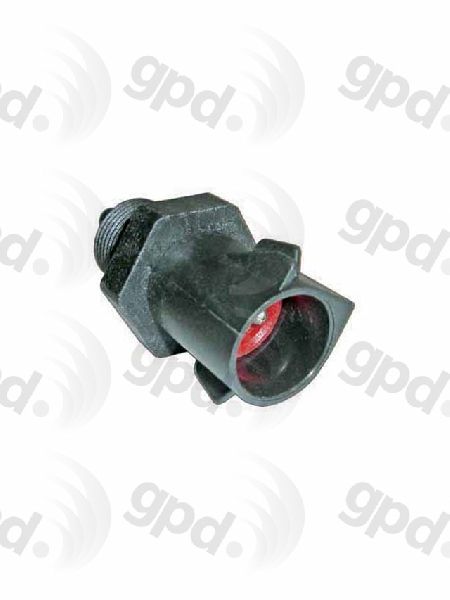
| Economy Aftermarket | Global Parts, True Tech | These are the most affordable options. While they will function, they may have a higher risk of premature failure or less precise temperature readings compared to higher-tier brands. |
Installation is DIY-Friendly
Replacing the ECT sensor is an easy job that most owners can do at home in under an hour with basic tools. The sensor is located on the top front of the engine, screwed into the thermostat housing or intake manifold. You don't need to drain all the coolant; only a small amount will spill when you quickly swap the old sensor for the new one.
Frequently Asked Questions (FAQ)
Where is the ECT sensor located on my 1991-1994 Navajo?
On the 4.0L V6 engine, you will find the two-wire ECT sensor on the thermostat housing or the adjacent intake manifold, right where the large upper radiator hose connects to the engine. Look for the sensor with the two-wire electrical plug, not the one with a single wire.
Are there any recalls for the Navajo's coolant temperature sensor?
No. Searches of the National Highway Traffic Safety Administration (NHTSA) database show no safety recalls or technical service bulletins (TSBs) for the engine coolant temperature sensor on the 1991-1994 Mazda Navajo or the mechanically identical Ford Explorer.
What happens if I don't replace a bad ECT sensor?
While you can drive the vehicle, ignoring a bad ECT sensor will lead to consistently poor fuel economy, increased emissions, and poor engine performance. Over time, running a constantly rich fuel mixture can damage your spark plugs and catalytic converter, leading to more expensive repairs.
Is an OEM sensor better than aftermarket for my Navajo?
A genuine Mazda/Ford OEM sensor is an excellent part, but premium aftermarket brands like NGK and Standard Ignition offer comparable quality and reliability for a lower price. Given the age of the vehicle, a quality aftermarket part is a very practical and effective solution.
Technical Specifications
OEM Part Numbers: ZZM0-18-707 ZZL018707 ZZL018707A F4TZ12A648A F2AZ12A648A E1AZ12A648A DY1145
Look for a two-wire sensor with a rounded connector, typically with a brass body. It is located on the thermostat housing or upper intake manifold of the 4.0L V6 engine.
We Have This Part in Stock


The information in this article is provided for general reference and educational purposes only. Vehicle specifications, procedures, and part compatibility can vary by production date, trim level, and region. Always consult your vehicle's factory service manual and verify part numbers before purchasing or performing repairs. Safety-critical components such as airbags, seat belts, and braking systems should be installed by a qualified professional.
- Mazda Navajo: