

Radiator Coolant Hose Guide for the 1991-1993 Eagle 2000 GTX
Keep your Eagle's engine from overheating by understanding when and how to replace its aging radiator hoses.
- For the 1991-1993 Eagle 2000 GTX, aftermarket hoses from brands like Gates, Dayco, or Continental are your only realistic option, and they are all good quality.
- Always replace radiator hoses in pairs (upper and lower) and use new hose clamps to ensure a proper seal.
- A bulging, leaking, or burst radiator hose is a critical failure. Do not drive the vehicle, as rapid coolant loss can cause severe engine damage.
- Remember that the Eagle 2000 GTX is a rebadged Mitsubishi Galant, so searching for Galant parts can provide more results.
Signs of a Failing Radiator Hose
On a car from the early 1990s like the 2000 GTX, rubber parts are often failing due to age alone. Heat, pressure, and oil contamination cause radiator hoses to degrade over time. It's not a matter of if they will fail, but when. Regular inspection is key. When the engine is completely cool, check the hoses for these warning signs:
- Visible Damage: Look for cracks, splits, or abrasions on the hose surface.
- Bulging or Swelling: A swollen or bulging spot, especially near the ends, indicates the hose's internal structure is weak and it could burst at any moment. Oil contamination is a common cause of swelling.
- Spongy or Hard Spots: Squeeze the hoses (when cool). They should be firm but pliable. If a hose feels mushy, spongy, or rock-hard and brittle, it needs to be replaced.
- Coolant Leaks: Puddles of green or yellow fluid under the front of your car are a clear sign of a leak. You might also see white or colored crusty residue around the hose connections where coolant has seeped out and dried.
- Engine Overheating: If your temperature gauge suddenly climbs into the red, a burst or leaking hose is a likely cause.
Critical Warning: Engine Overheating
If you see steam from the engine or the temperature gauge is in the red, pull over immediately and shut off the engine. Driving with an overheating engine can cause catastrophic damage, such as a warped cylinder head or a seized engine.
Choosing the Right Aftermarket Hose
For a 1991-1993 Eagle 2000 GTX, finding new Original Equipment Manufacturer (OEM) hoses is nearly impossible. Even if you found "new old stock," the rubber would be just as old as the part you are replacing. Aftermarket hoses are the only practical choice, and reputable brands offer excellent quality that often meets or exceeds the original specifications.
Pro Tip: The Eagle 2000 GTX is a rebadged Mitsubishi Galant. Searching for parts for a 1991-1993 Mitsubishi Galant will give you more options and availability.
Available Brands: Continental, Dayco, and Gates
You will find hoses available from these three well-known brands. All are considered reliable choices for your Eagle 2000 GTX.
- Gates: Often considered a top-tier brand for belts and hoses, Gates is a popular choice for both professional mechanics and DIYers. They are known for manufacturing to OEM quality specifications and resisting electrochemical degradation, a leading cause of hose failure.
- Dayco: Another high-quality manufacturer. Some users report that Dayco hoses can sometimes have a better fit than other aftermarket brands for specific applications, though this varies. They are a solid and dependable option.
- Continental: Continental (sometimes branded as Continental Elite) produces durable hoses designed to meet or exceed OEM standards. They are a reputable choice and will perform well in your vehicle.
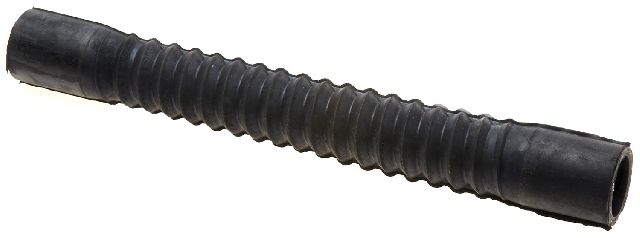
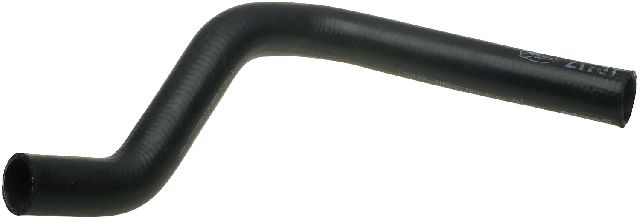
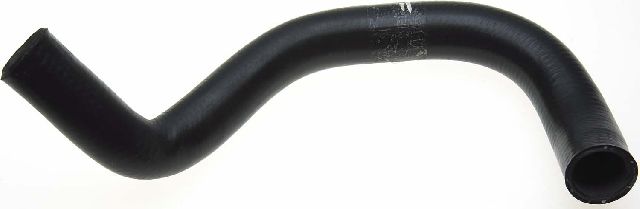
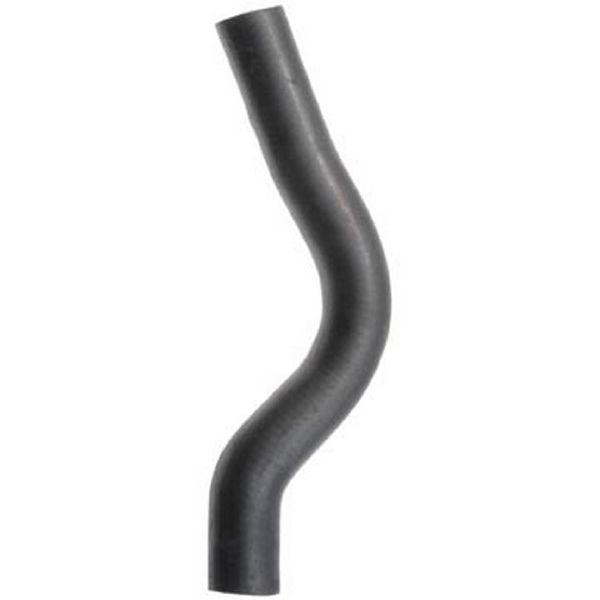
For a daily-driven 2000 GTX, you can choose confidently based on price and availability from any of these three brands. The most important factor is to buy a molded hose specifically designed for your vehicle, not a universal straight hose. Molded hoses have the correct bends to avoid kinking and rubbing against other engine components.
Cost of Radiator Hose Replacement
| Part Type | Cost Range | Notes |
|---|---|---|
| New Aftermarket Hoses | $21.46 - $31.39 | Price is for a single hose (upper or lower). It is highly recommended to replace both at the same time. |
| Shop Labor | $100 - $200 | Includes draining the system, replacing both hoses, and refilling/bleeding with fresh coolant. |
| New OEM Hoses | Not Available | These parts are no longer produced for this vehicle. |
Frequently Asked Questions (FAQ)
Should I replace both the upper and lower radiator hoses at the same time?
Yes. Both hoses have been exposed to the same age, heat, and pressure. If one has failed, the other is likely close to failing as well. Replacing them together saves you from doing the same job twice and prevents a future breakdown.
Do I need to replace the hose clamps?
It is a strong best practice to replace the hose clamps when you replace the hoses. Old clamps can lose their tension over time or corrode, leading to leaks even with a new hose. Spring-style clamps are often preferred as they maintain constant tension as the hose material expands and contracts.
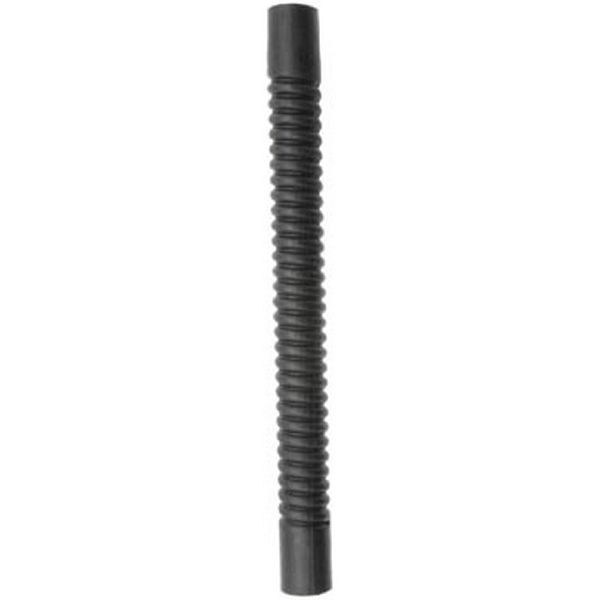
Can I use a universal or flexible hose?
No. You must use a molded hose made specifically for the 1991-1993 Eagle 2000 GTX. The engine bay is crowded, and the specific bends of a molded hose are required to prevent it from kinking (which stops coolant flow) or rubbing against other components (which causes premature failure).
Were there any recalls for the radiator hoses on the Eagle 2000 GTX?
No. Searches of the National Highway Traffic Safety Administration (NHTSA) database show no recalls specifically for the radiator coolant hoses on the 1991-1993 Eagle 2000 GTX or its sister vehicle, the Mitsubishi Galant.
Technical Specifications
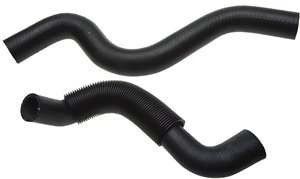
Hoses must be molded specifically for the 1991-1993 Eagle 2000 GTX (or Mitsubishi Galant) application. Universal hoses will not fit correctly. The system typically includes an upper radiator hose and a lower radiator hose.
We Have This Part in Stock

The information in this article is provided for general reference and educational purposes only. Vehicle specifications, procedures, and part compatibility can vary by production date, trim level, and region. Always consult your vehicle's factory service manual and verify part numbers before purchasing or performing repairs. Safety-critical components such as airbags, seat belts, and braking systems should be installed by a qualified professional.
- Eagle 2000 GTX: