

1991-1993 Eagle 2000 GTX Horn Replacement Guide
Is your Eagle 2000 GTX horn silent? Here’s what you need to know to fix it.
- Before replacing the horn, always check the fuse and relay first, as these are common and inexpensive failure points.
- The Eagle 2000 GTX likely uses a high-tone and low-tone horn; it's best to replace them in pairs for a proper sound.
- Replacement is a simple DIY job for most owners, requiring only basic hand tools.
- No specific recalls or TSBs for horn issues exist for this vehicle, so problems are typically due to age-related component failure.
Is Your Horn Not Working? Common Symptoms
A failing horn usually gives you a few clear signs. If you press the horn button and nothing happens, the problem could be anywhere from the button itself to the horn assembly. 🎬 Watch this video to understand why your car horn is broken. Here’s what to look for:
- No Sound: The most obvious symptom. This could be a blown fuse, a bad relay, a wiring issue, or a dead horn.
- Weak or Faint Sound: If the horn sounds muffled or quiet, one of the two horns (high or low tone) may have failed. It can also point to a bad ground connection or corrosion on the electrical terminals.
- Intermittent Operation: If the horn only works sometimes, it often points to a loose connection, a failing horn switch in the steering column, or a faulty relay.
- Horn Stays On: A stuck horn is often caused by a shorted relay or a problem with the horn switch in the steering wheel.
First Steps: Check the Easy Stuff
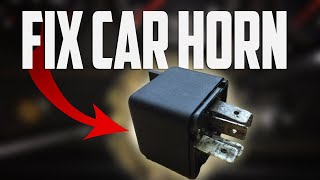
Before buying a new horn, always check the fuse box first. 🎬 Learn how to fix common electrical causes for horn failure. A blown fuse is a simple and cheap fix. Your owner's manual can show you the location of the horn fuse and relay. If the fuse is good, you can try swapping the horn relay with a similar one from the fuse box to see if that solves the problem.
Choosing the Right Aftermarket Horn
Since original OEM horns for the Eagle 2000 GTX are no longer in production, you will be choosing from aftermarket options. For your 1991-1993 model, there are several choices that fit, primarily falling into two categories.
Brand Tiers
- Standard Replacement Brands (e.g., Replacement, API): These are budget-friendly options designed to function like the original part. They are a good choice if you just need a working horn and cost is your main concern. Quality can be a mixed bag, but they will get the job done.
- Known Aftermarket Brands (e.g., Standard Ignition, ACDelco): Brands like Standard Motor Products (SMP) and ACDelco have a longer reputation for quality and reliability. They often use better materials and undergo more rigorous testing. Spending a little more on a brand like this can mean a longer-lasting part.
Pro Tip: Most vehicles from this period use a high-tone and a low-tone horn. If one fails, it's a good idea to replace them as a pair to ensure a strong, correct sound and because the other one may fail soon.
Estimated Cost for Horn Replacement (1991-1993 Eagle 2000 GTX)
| Part Type | Price Range |
|---|---|
| New Aftermarket Horn | $36.29 - $57.52 |
| Shop Labor | $50 - $120 |
| Total Estimated Cost | $86 - $178 |
Prices are estimates and may vary based on your location and the specific parts chosen. The aftermarket price range reflects the inventory available.
Frequently Asked Questions
Can I replace the horn on my Eagle 2000 GTX myself?
Yes, this is a beginner-friendly job. The horn is usually located at the front of the vehicle, behind the grille. It's typically held on by a single bolt. The process involves disconnecting the battery, unplugging the electrical connector, unbolting the old horn, and installing the new one. No special tools are required beyond a basic socket set.
My new horn doesn't work. What's wrong?
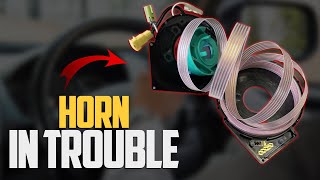
If a new horn doesn't fix the issue, the problem lies elsewhere in the circuit. Re-check the fuse and relay. The other common culprits are the horn switch in the steering wheel, the clock spring (a coiled wire that connects steering wheel electronics), or a break in the wiring.
🎬 See six common causes and fixes for a silent car horn.What is the difference between a high-tone and a low-tone horn?
Most cars use two horns that play different notes simultaneously. This creates a louder, more attention-grabbing sound than a single horn. When replacing them, you can buy them individually or as a set.
Are there any recalls for the 1991-1993 Eagle 2000 GTX horn?
No recalls or Technical Service Bulletins (TSBs) were found from the National Highway Traffic Safety Administration (NHTSA) for horn-related issues on this specific vehicle.
Helpful Videos
Technical Specifications
Terminal Type: 2-Blade; Voltage: 12V
We Have This Part in Stock


The information in this article is provided for general reference and educational purposes only. Vehicle specifications, procedures, and part compatibility can vary by production date, trim level, and region. Always consult your vehicle's factory service manual and verify part numbers before purchasing or performing repairs. Safety-critical components such as airbags, seat belts, and braking systems should be installed by a qualified professional.
- Eagle 2000 GTX: