

Lexus LS400 (1990-2000) Electric Fuel Pump: A Complete Guide
Stalling, hesitation, or a no-start? Your LS400's fuel pump might be the cause—here's what you need to know.
- Before replacing the fuel pump, inspect the ECU for leaking capacitors, a common LS400 issue that mimics pump failure.
- Accessing the pump is straightforward by removing the rear seat; the fuel tank does not need to be dropped.
- Choose a quality aftermarket brand like Delphi or GMB; avoid the cheapest options as they are prone to early failure.
- Always replace the fuel pump strainer and the separate, external fuel filter at the same time as the pump.
Is Your LS400 Fuel Pump Failing?
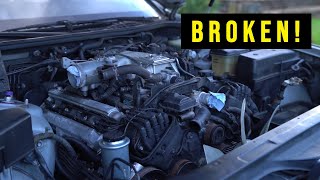
A failing fuel pump in the 1990-2000 Lexus LS400 can cause a range of frustrating problems. Symptoms often start small and get worse over time. One of the first signs can be a noticeable whining or humming noise coming from the rear seat area, which is the sound of the pump's electric motor struggling. 🎬 See this easy test to check your fuel flow. You might also experience engine hesitation or sputtering, especially when accelerating, climbing hills, or at highway speeds. Other common symptoms include a rough idle, sudden engine stalling, and a car that cranks but refuses to start.
Warning: Check Your ECU First!
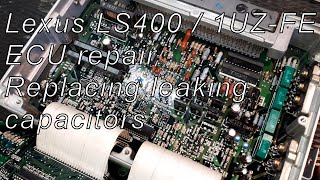
A very common issue in first and second-generation LS400s is the failure of capacitors inside the Engine Control Unit (ECU). Leaking ECU capacitors can cause a wide variety of electrical problems that perfectly mimic a bad fuel pump, such as stalling, rough idle, and no-start conditions. Before spending money on a new fuel pump, it is highly recommended to inspect the ECU for any signs of leaking or bulging capacitors. 🎬 Watch: How to identify and replace leaking ECU capacitors. This could save you from replacing a part that isn't broken.
Choosing the Right Aftermarket Fuel Pump
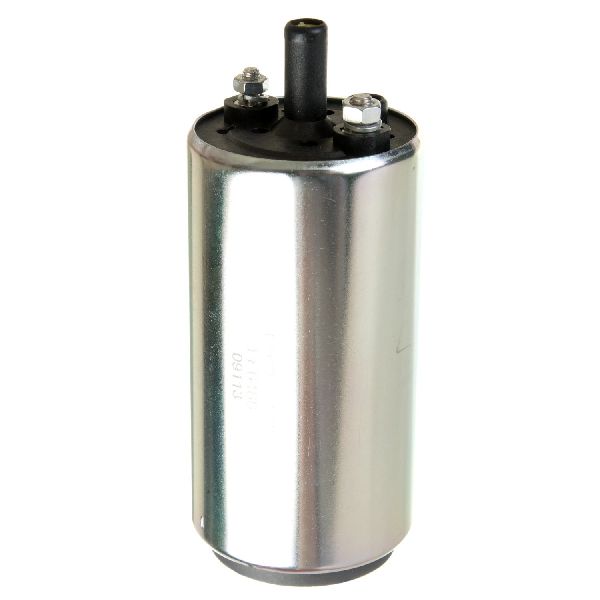
The original fuel pump in your LS400 was most likely a Denso, which is considered the gold standard for Toyota and Lexus vehicles. However, the original Denso part for this specific model has been largely discontinued and can be difficult to find new. When choosing a new aftermarket pump, quality is critical. Cheaper, unbranded pumps are known to fail prematurely or fail to provide adequate fuel pressure under load, leading to the same problems you were trying to fix.
Here’s a breakdown of the available aftermarket brands:
- Tier 1 (OEM Quality): Delphi is a highly respected brand with a history as an original equipment (OE) manufacturer. LS400 owners on forums report positive experiences, making it a reliable choice that balances cost and quality.
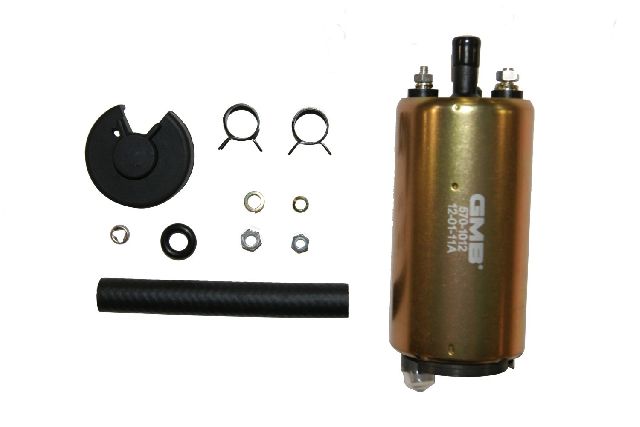
- Tier 2 (Reputable Aftermarket): GMB and US Motor Works are also considered solid options. GMB is noted for making pumps in the original OE style. While not as frequently discussed as Delphi, they are established brands in the aftermarket.
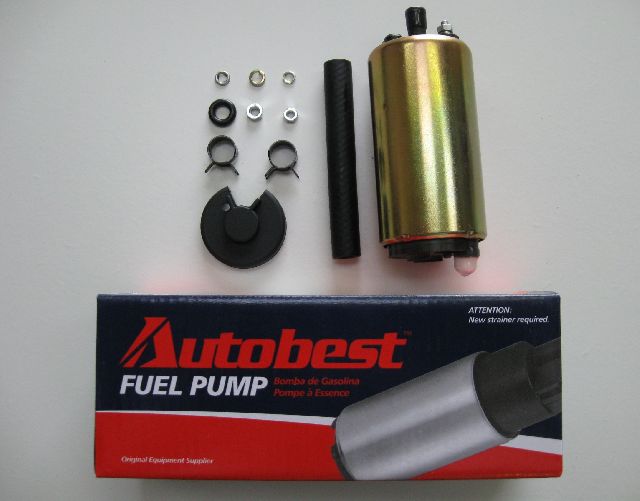
- Tier 3 (Value): Brands like AutoBest fall into the budget-friendly category. While they meet the basic requirements, long-term reliability may not match that of the higher-tiered brands. For a vehicle as reliable as the LS400, investing in a better pump is often worth it to avoid doing the job twice.
Pro Tip: Replace the Strainer and Filter
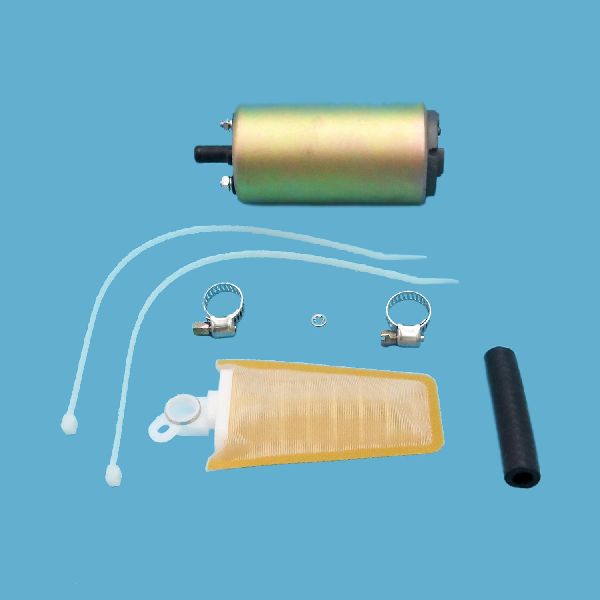
Whenever you replace the fuel pump, you should also replace the fuel pump strainer (the "sock" at the bottom of the pump) and the main fuel filter. The strainer prevents large debris in the tank from entering the pump, and a new one is usually included with the pump kit. The main fuel filter, located outside the tank, can get clogged over time and cause low pressure issues on its own.
| Part / Service | Estimated Cost | Notes |
|---|---|---|
| New OEM Fuel Pump (Denso) | $430 - $625 | Difficult to find new, may be discontinued. |
| New Aftermarket Fuel Pump | $48 - $162 | Price varies by brand quality (e.g., Delphi, GMB). |
| Shop Labor for Replacement | $200 - $300 | Based on 1.5-2.5 hours of labor. |
| Total Professional Replacement (Aftermarket) | $250 - $465 | Using an aftermarket pump plus labor. |
Frequently Asked Questions
Is replacing the LS400 fuel pump a DIY job?
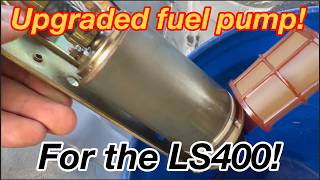
Yes, for a mechanically inclined owner, this is a feasible DIY project. The fuel pump is accessible through a panel under the rear seat, so you do not need to drop the fuel tank. The process involves removing the rear seats, the access panel, and then carefully removing the pump assembly. 🎬 Watch: A complete walkthrough of the fuel pump replacement. The job requires basic hand tools and will likely take 2-3 hours. Always disconnect the battery and work in a well-ventilated area, as you will be handling gasoline.
Should I replace the whole assembly or just the pump motor?
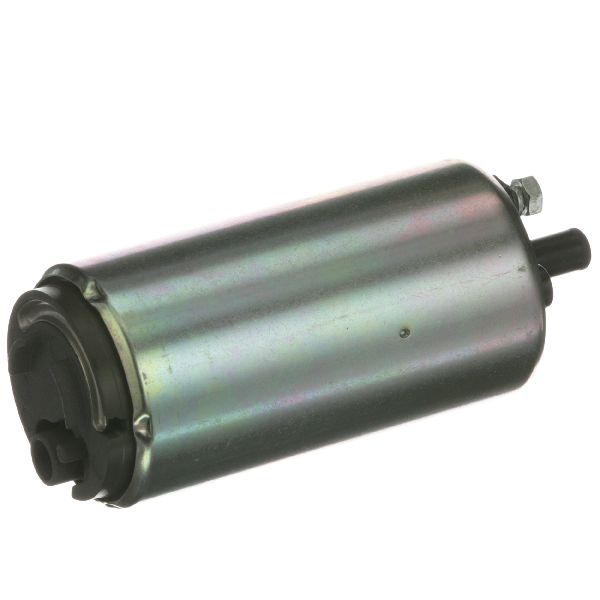
Most aftermarket options for the LS400 are for the pump motor itself, which fits into your existing fuel pump hanger assembly. This is a cost-effective solution. You will typically transfer the hanger, fuel level sender, and other components to the new pump. The kits usually come with a new strainer and any necessary wiring pigtails.
Are there any recalls or TSBs for the 1990-2000 LS400 fuel pump?
There are no major recalls or Technical Service Bulletins (TSBs) specifically for fuel pump failure on the 1990-2000 Lexus LS400 in the North American market. The most significant known issue related to fuel delivery is failing ECU capacitors, not the pump itself.
What is the fuel pump resistor and do I need to replace it?
The fuel pump resistor is part of the two-speed control system. It's a durable component and does not typically need to be replaced with the fuel pump. However, if diagnostic tests point to a problem with the two-speed system (e.g., the pump only runs at one speed), the resistor or the fuel pump relay could be at fault.
Helpful Videos

Technical Specifications
OEM Part Numbers: 23221-50020
In-tank, two-speed electric fuel pump motor. Access is under the rear seat. The system utilizes an external fuel pump relay and resistor for speed control.
We Have This Part in Stock

The information in this article is provided for general reference and educational purposes only. Vehicle specifications, procedures, and part compatibility can vary by production date, trim level, and region. Always consult your vehicle's factory service manual and verify part numbers before purchasing or performing repairs. Safety-critical components such as airbags, seat belts, and braking systems should be installed by a qualified professional.
- Lexus LS400: