

Chevrolet Corvette Engine Oil Pressure Switch Guide (1990-1996)
Everything C4 Corvette owners need to know about a failing oil pressure switch and how to choose a replacement.
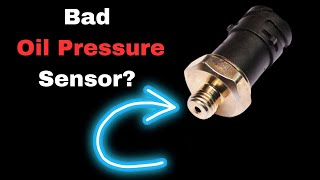
- A bad oil pressure switch is a common issue and often causes erratic gauge readings; don't assume your engine is failing.
- The replacement difficulty varies greatly: it's easy on 1990-91 L98 engines but very difficult on 1992-96 LT1 engines.
- This switch also serves as a backup power source for the fuel pump, so a failure can sometimes lead to stalling.
- Before replacing, verify the actual oil pressure with a mechanical gauge to rule out a serious engine problem.
Symptoms of a Failing Oil Pressure Switch


When the oil pressure switch in your C4 Corvette starts to fail, it can cause confusing and worrying symptoms. Because this part provides vital information, it's important to recognize the signs of failure. Don't immediately assume the worst about your engine; often, it's just a faulty sensor.
- Incorrect Gauge Readings: The most common symptom is an oil pressure gauge that behaves strangely. It might read zero at idle, then jump to a normal or high reading when you accelerate. It could also get stuck at the maximum reading (like 80 PSI) or not move at all.
- Flickering Oil Light or Gauge: You may see the oil pressure warning light or the gauge needle flicker, especially during turns or acceleration. This happens when the sensor's internal parts wear out and make intermittent contact. A GM service bulletin specifically addressed fluttering or high gauge readings for 1990-1991 models due to an internal sensor issue.
- Engine Stalling: In some cases, a failing oil pressure switch can cause the engine to stall. This can happen if the fuel pump relay has also failed, and the engine is relying on the switch to power the fuel pump. If the switch incorrectly reads zero pressure, it will cut power to the pump and shut the engine off.
- Visible Oil Leaks: The switch itself can leak oil. Over time, the housing can crack or the seal can degrade. You might see oil residue on the sensor or on the engine block below it. On LT1 engines (1992-1996), this leak can be hard to spot as the sensor is at the back of the engine.
Confirm Before Replacing
Before you replace the sensor, it's a good idea to check the oil pressure with a separate, mechanical gauge. This will confirm whether you have a real oil pressure problem or just a bad sensor. A mechanic can perform this test for you.
Choosing the Right Aftermarket Oil Pressure Switch

For a 1990-1996 Corvette, you have several aftermarket options. The quality can vary, so it's important to understand the differences.
OEM vs. Aftermarket: Original AC Delco parts for a car of this age can be hard to find and expensive. Aftermarket parts are widely available and can be a good value. High-quality aftermarket brands often meet or exceed original specifications. For a simple but critical sensor like this, a reputable aftermarket part is usually a reliable choice.
Brand Tiers
- Premium Aftermarket (e.g., Standard Ignition): Brands like Standard Motor Products (SMP) are well-regarded in the industry and have been around for a long time. They often supply parts to original manufacturers and are known for quality control, using durable materials like high-temperature diaphragms to prevent leaks. They are a trusted choice for reliability.
- Standard Aftermarket (e.g., Rostra Powertrain): Rostra is known for producing a wide range of electronic and powertrain components, including for OE manufacturers. Their parts are generally considered standard replacement quality, offering a balance of price and performance.
- Economy (e.g., Global Parts): These brands offer the most budget-friendly options. While they can function correctly, their long-term durability and the accuracy of their readings may not match premium brands. They are a viable option for a quick fix or if budget is the primary concern.
Check Your Engine Code
The location of the oil pressure switch is different depending on your engine. For 1990-1991 L98 engines, it's located in the oil filter housing or near the distributor. For 1992-1996 LT1/LT4 engines, it is located at the back of the engine block, behind the intake manifold, which is much harder to access. Make sure you know your engine type before starting the job.
Cost of Replacing the Engine Oil Pressure Switch

| Part/Service | Estimated Cost |
|---|---|
| New Aftermarket Part | $11.59 - $56.50 |
| Shop Labor | $100 - $250 |
| Total Estimated Cost (DIY) | $11.59 - $56.50 |
| Total Estimated Cost (Shop) | $112 - $307 |
Note: Labor costs can vary significantly based on your location and the engine in your Corvette. The LT1 engine requires more labor due to the sensor's difficult location.
Frequently Asked Questions (FAQ)
Is it hard to replace the oil pressure switch on a C4 Corvette?
It depends on the year. On 1990-1991 L98 models, the sensor is relatively easy to access near the distributor or oil filter. On 1992-1996 LT1 models, it's very difficult. It is located behind the intake manifold against the firewall, and some owners remove the wiper motor assembly to gain access.
My gauge reads 80 PSI all the time. Is that a bad sensor?
Most likely, yes. When the sensor fails in an 'open circuit' state, the gauge will often peg itself to the maximum reading. This was a known issue addressed by a GM service bulletin for 1990-91 models.
Can I drive with a bad oil pressure switch?
It is not recommended. If the switch is just giving a bad reading but you know the engine has good oil pressure, you can drive carefully to a repair shop. However, if the switch is failing to warn you of a real low-oil-pressure problem, you risk severe engine damage. It's best to get it fixed promptly.
Are there any recalls for this part?
There are no specific recalls for the engine oil pressure switch on the 1990-1996 Corvette. However, there was a service bulletin (91-451A-8C) for 1990-1991 models regarding fluttering or high gauge readings caused by the sensor.
Does my Corvette have one or two oil pressure sensors?
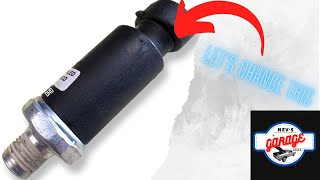
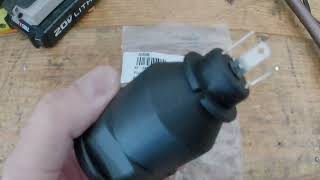
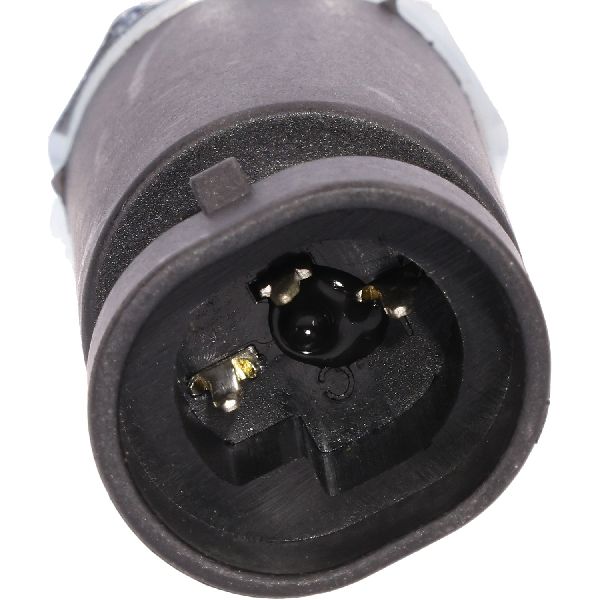
It varies by year and model. Some earlier C4s used two separate units (one for the gauge, one for the fuel pump backup), while later models often integrated these functions into a single 3-wire sensor. It is important to visually inspect your current setup or consult a parts diagram for your specific VIN to ensure you buy the correct replacement.
Helpful Videos

Technical Specifications
OEM Part Numbers: 25036935
Varies between a single-terminal switch for the gauge and a three-terminal switch that integrates the fuel pump backup circuit.
We Have This Part in Stock


The information in this article is provided for general reference and educational purposes only. Vehicle specifications, procedures, and part compatibility can vary by production date, trim level, and region. Always consult your vehicle's factory service manual and verify part numbers before purchasing or performing repairs. Safety-critical components such as airbags, seat belts, and braking systems should be installed by a qualified professional.
- Chevrolet Corvette: