

1990-1994 Mitsubishi Eclipse A/C Valve Core and Cap Kit Resource
Learn about the small but critical parts that keep your Eclipse's A/C system sealed and serviceable.
- A leaking A/C valve core is a very common cause of poor A/C performance in older cars like the 1990-1994 Eclipse.
- Check if your Eclipse A/C system has been converted from R-12 to R-134a refrigerant, as this affects which parts you need.
- Replacement requires a professional with specialized equipment to safely evacuate and recharge the refrigerant.
- Aftermarket brands like Four Seasons and Global Parts offer reliable and affordable kits for this repair.
Is Your Eclipse A/C Not Blowing Cold? It Could Be These Tiny Parts
If your 1990-1994 Mitsubishi Eclipse's air conditioning isn't as cold as it used to be, the problem could be a refrigerant leak. One of the most common and often overlooked sources for a leak is a faulty A/C service valve core. These small valves, along with their protective caps, are crucial for maintaining a sealed system. Over time, the rubber seals on the valve cores can degrade, becoming brittle and causing slow leaks of refrigerant. The caps also play a key role, providing a backup seal and keeping dirt and moisture out of the sensitive A/C system.
An Important Note on Refrigerant Type
First-generation Mitsubishi Eclipses (1990-1994) were originally equipped with R-12 refrigerant. Due to environmental regulations, most of these systems have been converted to use R-134a refrigerant. This is important because R-134a conversion kits include new service port adapters that fit over the old R-12 fittings. Before ordering parts, inspect your A/C service ports to see if they have the original threaded R-12 fittings or the quick-disconnect style R-134a fittings. The valve core and cap kit you need may depend on whether your system has been converted.
Symptoms of a Failing A/C Valve Core or Cap
- Reduced Cooling Performance: The most common symptom is a gradual loss of cooling ability as refrigerant leaks out.
- Hissing Sound from Service Ports: After removing the cap, you might hear a faint hissing, which indicates a leaking valve core.
- Oily Residue Around Service Ports: A/C refrigerant contains oil. A leak will leave behind an oily, grimy residue around the service port area.
- Visible Damage to Caps: Cracked or missing caps can no longer protect the valve core and should be replaced immediately.
Choosing the Right Aftermarket Kit
For a simple component like a valve core and cap kit, the distinction between OEM and aftermarket quality is minimal. Brands like Four Seasons and Global Parts are well-established in the aftermarket A/C parts industry. They produce reliable components that meet or exceed the standards for this application. Given the age of the vehicle, a new aftermarket kit is a practical and cost-effective choice compared to searching for a new old stock (NOS) OEM part. The most important factor is ensuring you get the correct kit for your system's refrigerant type (R-12 or converted R-134a).
Pro Tip: When replacing valve cores, it's also a good time to replace the A/C system's receiver/drier. This component absorbs moisture from the system, and its lifespan is limited. Replacing it whenever the system is opened is a best practice.
| Part Type | Typical Cost Range |
|---|---|
| New Aftermarket (Four Seasons, Global Parts) | $8.02 - $23.17 |
| Shop Labor for Replacement (includes system evacuation & recharge) | $150 - $300 |
Frequently Asked Questions
Can I replace the A/C valve core myself?
While physically swapping the valve core is simple with a special tool, it is not a simple DIY job. It is illegal and unsafe to release refrigerant into the atmosphere. The A/C system must be professionally evacuated before opening it and then properly recharged and leak-tested after the repair. This requires specialized equipment.
Why is the service port cap so important?
The cap is more than just a dust cover. It provides a crucial secondary seal that contains refrigerant if the valve core has a minor leak. It also prevents moisture and dirt from entering and contaminating the A/C system, which could lead to more expensive component failure down the road.
Do I need a special tool to replace the valve core?
Yes, a specific A/C valve core removal tool is required. It looks like a small screwdriver designed to engage the valve core. Some advanced tools even allow for replacement without evacuating the system, but this is best left to experienced professionals.
My car was converted to R-134a. Does that change the part I need?
Yes, it might. R-134a conversions involve fitting adapters over the original R-12 service ports. These adapters have their own valve cores. Ensure the kit you buy is compatible with the fittings currently on your vehicle. The caps for R-12 and R-134a ports are also different.
Technical Specifications
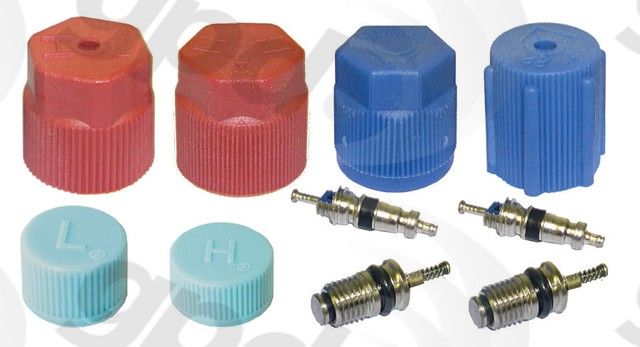
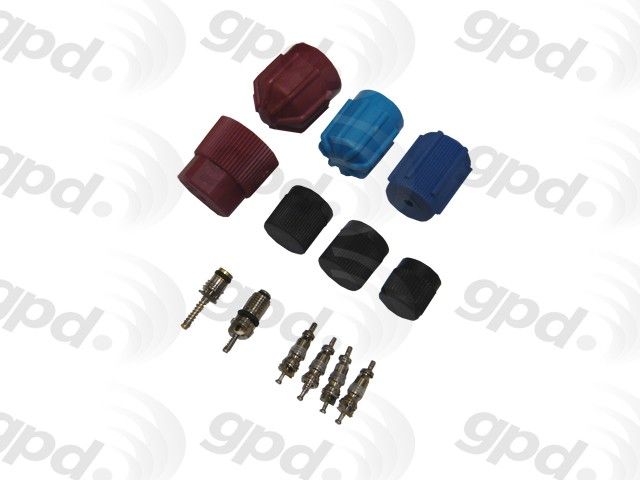
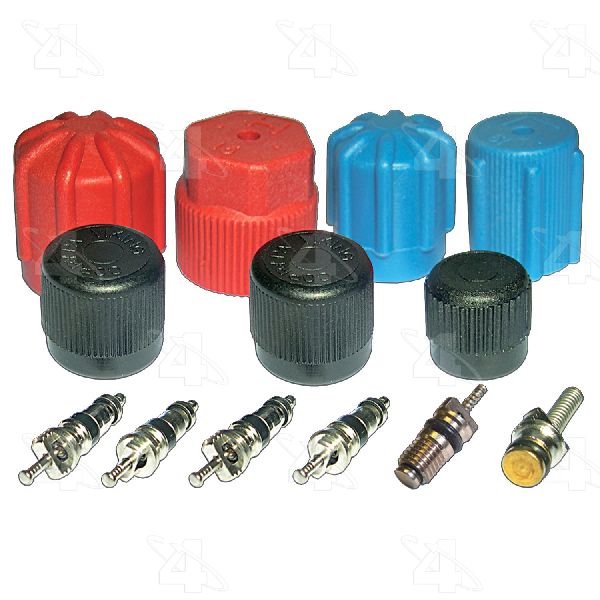
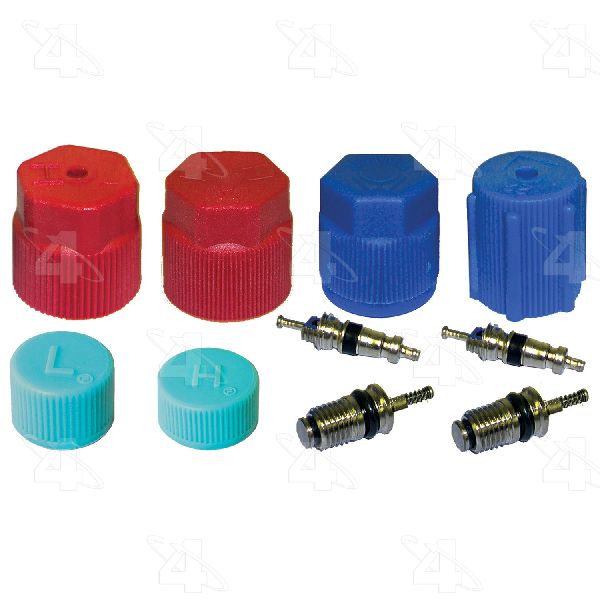
Kit typically includes multiple valve cores and caps to fit high and low-side service ports for either R-12 or R-134a systems.
We Have This Part in Stock

The information in this article is provided for general reference and educational purposes only. Vehicle specifications, procedures, and part compatibility can vary by production date, trim level, and region. Always consult your vehicle's factory service manual and verify part numbers before purchasing or performing repairs. Safety-critical components such as airbags, seat belts, and braking systems should be installed by a qualified professional.
- Mitsubishi Eclipse: