

Geo Storm Engine Coolant Temperature Sensor (ECT) Guide: 1990-1993
Understand the signs of a failing coolant temperature sensor in your 1990-1993 Geo Storm and how to choose the right replacement.
- A bad ECT sensor on a Geo Storm commonly causes a Check Engine Light, poor gas mileage, and rough running.
- Overheating is a critical symptom; a faulty sensor may prevent the cooling fans from turning on.
- Replacement is simple and inexpensive, making it a good DIY task.
- Choose a quality aftermarket brand like Beck Arnley or Delphi for reliability, as OEM parts are likely unavailable.
Is Your Geo Storm Running Rough or Overheating? It Could Be the ECT Sensor.
The Engine Coolant Temperature (ECT) sensor is a critical component for keeping your 1990-1993 Geo Storm's engine running efficiently. It provides the main computer with the data needed to adjust fuel delivery and manage the cooling system. When this sensor fails, it can cause a surprising number of problems, from poor fuel economy to a check engine light. Because the Geo Storm is an older vehicle, electronic sensors like the ECT are common failure points due to age and countless heat cycles.
Don't Ignore a Failing ECT Sensor
While you can often still drive with a faulty ECT sensor, it's not recommended for long. A bad sensor can lead to poor performance, terrible gas mileage, and in some cases, engine overheating which can cause severe and expensive damage.
Symptoms of a Bad Engine Coolant Temperature Sensor in a Geo Storm
A failing ECT sensor can make your car act in strange ways. Here are the most common signs to look for:
- Check Engine Light: This is often the first and most obvious sign. The ECU detects a signal from the sensor that is outside the normal range and triggers a fault code. For the Geo Storm, this could be a code like 14, indicating a low temperature reading.
- Poor Fuel Economy: If the sensor incorrectly tells the ECU the engine is always cold, the computer will continuously supply a rich fuel mixture, causing you to use much more gas than necessary.
- Black Smoke from Exhaust: A very rich fuel mixture, caused by a bad sensor reading, may not burn completely. This unburnt fuel is then burned in the hot exhaust, creating black smoke.
- Engine Overheating or Running Too Cool: The ECT sensor helps control the electric cooling fans. If the sensor fails to report that the engine is hot, the fans may not turn on, leading to overheating. Conversely, if it's stuck on a "hot" signal, the fans might run all the time.
- Rough Idle and Poor Performance: An incorrect fuel mixture and timing can cause the engine to idle roughly, hesitate, or feel sluggish during acceleration.
- Hard Starting: The ECU relies on the ECT sensor for the correct fuel mixture for starting. If the reading is wrong, the engine may be difficult to start, either hot or cold.
Choosing the Right Aftermarket ECT Sensor for Your Geo Storm
For a vehicle like the 1990-1993 Geo Storm, new Original Equipment (OE) parts from GM or Isuzu are likely unavailable. Aftermarket parts are your primary option, and the quality can vary. Here’s how to choose wisely:
Brand Tiers:
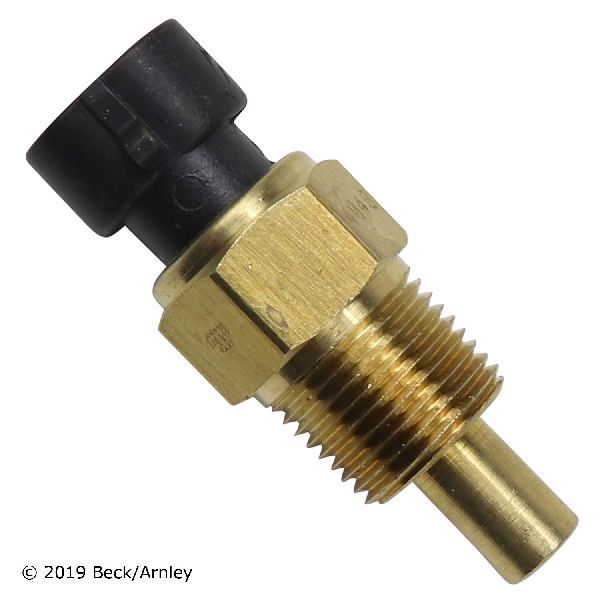
- Tier 1 (Best Quality): Brands like Delphi and NGK are often original equipment suppliers to many automakers. While they may not have been the specific OE supplier for the Storm, their sensors are generally built to high standards. Beck Arnley is also a strong choice; they specialize in sourcing parts that match the original's form, fit, and function for foreign nameplate vehicles like the Isuzu-based Geo Storm.
- Tier 2 (Good Quality): Brands like Standard Ignition (SMP) and Holstein are well-established in the aftermarket and offer a solid balance of quality and price. They are generally considered reliable replacements for daily driving.
- Tier 3 (Economy): Brands like True Tech and Global Parts fall into the economy category. While they are the most affordable, their long-term durability and the precision of their sensor readings can be inconsistent. They can be a viable option for a budget repair, but a higher-tier brand is recommended for better reliability.
Pro Tip: Given the low cost of even the highest quality aftermarket ECT sensors, it's worth spending a few extra dollars for a reputable brand like Beck Arnley or Delphi. This can save you from having to do the job again and prevent performance issues caused by an inaccurate sensor.
| Part Type | Estimated Cost | Notes |
|---|---|---|
| New Aftermarket | $12.58 - $37.74 | This is the most common and recommended option. Price varies by brand and warranty. |
| Shop Labor | $50 - $100 | The job is quick, typically taking 0.5 hours. Labor rates vary. |
| New OEM | N/A | Genuine GM/Isuzu new old stock is extremely rare and likely unavailable. |
| Used OEM | $5 - $20 | Not recommended. The age and condition are unknown, and it's a common failure part. |
Frequently Asked Questions (FAQ)
Where is the ECT sensor located on a 1990-1993 Geo Storm?
The ECT sensor is typically screwed into the engine block or cylinder head near the thermostat housing. On many 90s four-cylinder engines, you can find it by following the upper radiator hose to where it connects to the engine. The sensor will have an electrical connector attached to it.
Can I replace the Geo Storm ECT sensor myself?
Yes, this is a very DIY-friendly job for most home mechanics. It usually requires only basic hand tools, like a deep socket and ratchet. The main steps are disconnecting the battery, unplugging the sensor's electrical connector, and unscrewing the old sensor. Be prepared for a small amount of coolant to spill out. The entire process should take less than an hour.
Are there any recalls for the Geo Storm's ECT sensor?
No, there are no specific recalls for the engine coolant temperature sensor on the 1990-1993 Geo Storm. Searches of the NHTSA database show recalls for this vehicle related to seat belts and steering wheel hubs, but none related to the engine management or cooling systems.
What's the difference between the ECT sensor and the temperature sender for the gauge?
On many older vehicles, there are two separate sensors. The ECT sensor (Engine Coolant Temperature) sends information to the engine's computer (ECU). A second, single-wire sensor, often called the temperature sender or switch, sends information only to the temperature gauge on your dashboard. It's possible for one to fail while the other still works. Your gauge might read normal, but the ECU could be getting a bad signal, causing performance issues.
Technical Specifications
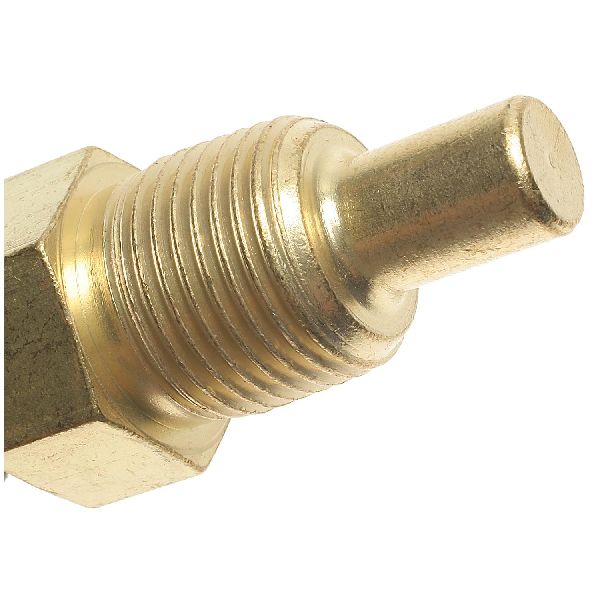
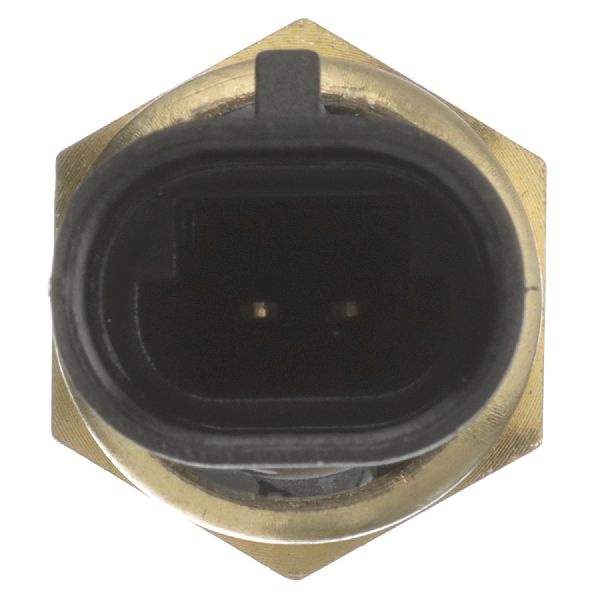
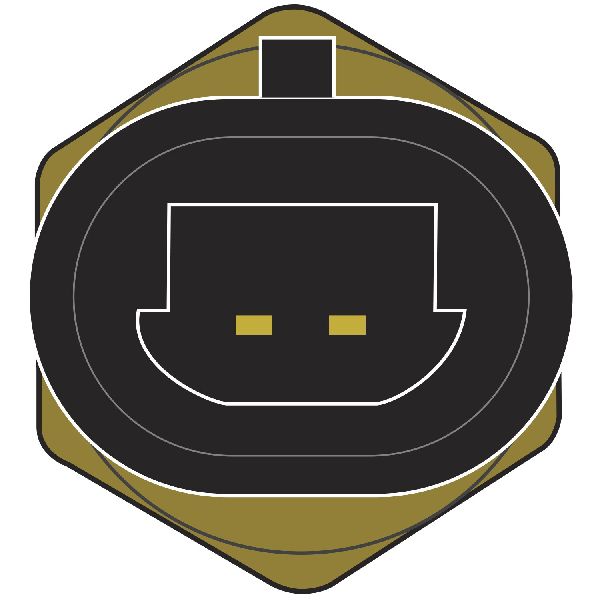
Typically features a 1-pin or 2-pin blade-style electrical connector and is screwed into the engine's cooling passages.
We Have This Part in Stock


The information in this article is provided for general reference and educational purposes only. Vehicle specifications, procedures, and part compatibility can vary by production date, trim level, and region. Always consult your vehicle's factory service manual and verify part numbers before purchasing or performing repairs. Safety-critical components such as airbags, seat belts, and braking systems should be installed by a qualified professional.
- Geo Storm: