

Engine Coolant Temperature Sensor Guide for the 1990 GMC C7000
Solving common engine problems like black smoke and poor fuel economy on your 1990 GMC C7000 often starts with this simple sensor.
- A bad ECT sensor is a very common cause of a rich running condition, leading to black smoke and poor MPG on a 1990 C7000.
- Replacement is simple, requiring basic tools, and can be done in under 30 minutes with the engine cold.
- For this truck, a quality aftermarket brand like Standard Ignition or Four Seasons is a reliable and cost-effective choice.
- Ignoring the problem can lead to more expensive repairs down the line, including a damaged catalytic converter.
Is Your Truck Running Rough? It Could Be the Coolant Temp Sensor
If your 1990 GMC C7000 is experiencing issues like poor fuel economy, black exhaust smoke, or a rough idle, a faulty Engine Coolant Temperature (ECT) sensor is a likely culprit. This sensor can fail in a way that it constantly tells the engine's computer that the engine is cold, even when it's at full operating temperature. This causes the computer to inject too much fuel, a condition known as "running rich." This not only wastes fuel but can lead to other problems like fouled spark plugs and engine damage over time.
Common Symptoms of a Bad ECT Sensor
- Poor Fuel Economy: The engine uses more fuel than necessary because the computer thinks it's always cold.
- Black Smoke from Exhaust: Excess, unburned fuel is pushed out the exhaust pipe, creating noticeable black smoke.
- Rough Idle or Stalling: An incorrect fuel mixture can make the engine shake, vibrate, or even stall at low speeds.
- Check Engine Light: The engine computer will often trigger a Check Engine Light when it detects a problem with the sensor's signal.
- Hard Starting: The engine may be difficult to start, especially when warm, due to an improper fuel mixture.
Choosing the Right Aftermarket Sensor
For a vehicle like the 1990 C7000, a quality aftermarket ECT sensor provides a reliable and affordable repair. There is little practical difference between a new OEM sensor and a high-quality aftermarket one for this application. The key is to choose a trusted brand.
Brand Quality Tiers:
- Tier 1 (High-Quality Aftermarket): Standard Ignition (SMP) is a well-regarded brand in the aftermarket, often considered to produce parts that meet or exceed original quality. They are a trusted choice for sensors and other engine management components.
- Tier 2 (Standard Aftermarket): Four Seasons is another major aftermarket supplier. While known for climate control parts, their sensors are widely available and generally considered a reliable, standard replacement option.
- Tier 3 (Economy): Brands like Global Parts and True Tech fall into the economy category. They offer the lowest price point, but may not have the same long-term durability or precise calibration as higher-tier brands. For a critical sensor like the ECT, spending a few extra dollars for a more reputable brand is often a wise investment.
Estimated Replacement Costs
| Part Type | Estimated Cost |
|---|---|
| New Aftermarket | $12.58 - $32.98 |
| Shop Labor | $50 - $100 |
| Total Estimated Cost | $62.58 - $132.98 |
Cost estimates are for the part and labor only and do not include taxes, shop fees, or diagnostic charges.
Frequently Asked Questions
Where is the ECT sensor located on my 1990 GMC C7000?
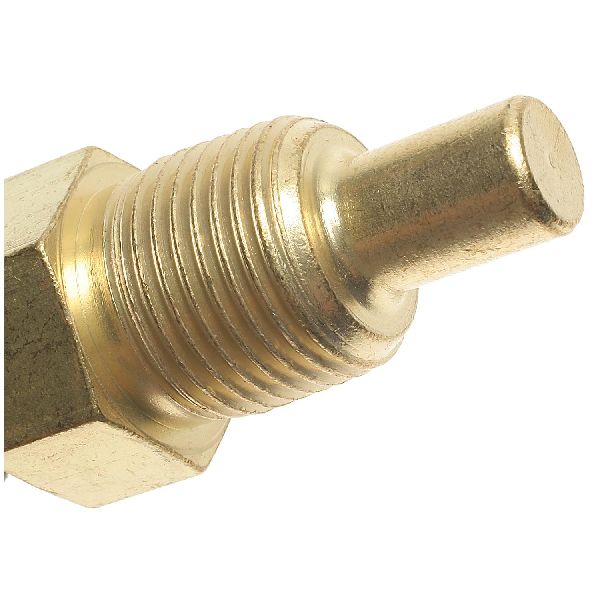
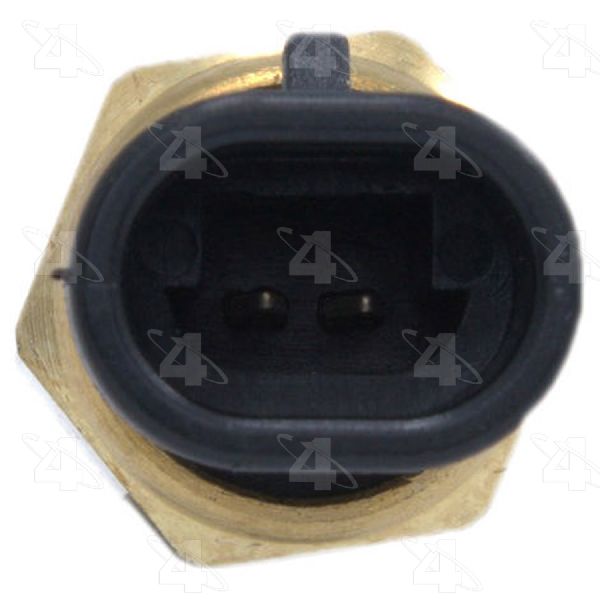
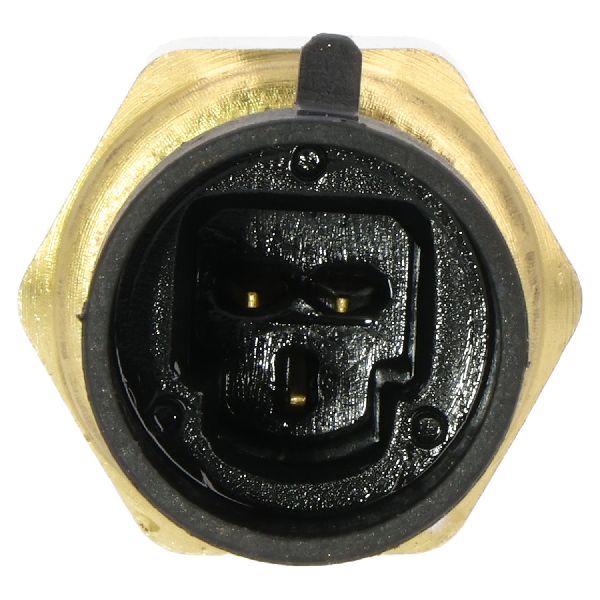
For C7000 models with gasoline V8 engines (like the 366 or 427), the primary ECT sensor for the computer is typically located on the front of the intake manifold, near the thermostat housing. It's a small, brass-colored sensor with a two-wire electrical connector. Note that some GM trucks of this era have a second, single-wire sensor for the dashboard temperature gauge, which is often located on the side of the cylinder head. The two-wire sensor is the one that affects engine performance.
Can I replace the ECT sensor myself?
Yes, this is a very DIY-friendly job for most owners. The sensor is usually easy to access. The main steps involve unplugging the electrical connector, unscrewing the old sensor (a 13/16" deep socket is common), and quickly screwing in the new one to minimize coolant loss. It's best to perform the replacement when the engine is completely cool to avoid burns and pressure in the cooling system.
What happens if I don't replace a bad sensor?
Ignoring a faulty ECT sensor will lead to persistently poor fuel economy, which costs you money on every fill-up. It can also cause long-term damage. The rich fuel mixture can foul your spark plugs and eventually damage the catalytic converter with unburned fuel, leading to much more expensive repairs.
Is it okay to use a cheap, economy-brand sensor?
While an economy sensor will likely work, its accuracy and lifespan may be questionable. The ECT sensor provides critical data to the engine computer. An inaccurate sensor, even if it's working, can still cause the engine to run slightly rich or lean, impacting performance and fuel economy. Given the low cost of even high-quality aftermarket brands, it is recommended to use a trusted brand like Standard Ignition or Four Seasons.
Technical Specifications
OEM Part Numbers: 12146312 15326386 25036708 25036979
Typically features a 2-terminal blade connector and a 3/8" pipe thread. The sensor that controls engine function is different from the single-wire sender for the dash gauge.
We Have This Part in Stock


The information in this article is provided for general reference and educational purposes only. Vehicle specifications, procedures, and part compatibility can vary by production date, trim level, and region. Always consult your vehicle's factory service manual and verify part numbers before purchasing or performing repairs. Safety-critical components such as airbags, seat belts, and braking systems should be installed by a qualified professional.
- GMC C7000: