

Toyota Land Cruiser Engine Coolant Temperature Sensor Guide (1989-2001)
Understanding the vital role of the ECT sensor for your Land Cruiser's engine performance and reliability.
- This sensor is critical for fuel economy and engine performance; do not ignore symptoms.
- Choose an OEM (Toyota) or OEM-supplier (Denso, NGK/NTK) sensor for best results and reliability.
- Confirm you are replacing the correct part; the ECU sensor is different from the gauge sender.
- No recalls or TSBs were found for this specific part on 1989-2001 models.
Is Your Land Cruiser Running Rough? It Could Be The Coolant Temp Sensor.


A failing Engine Coolant Temperature (ECT) sensor can cause a range of confusing problems. Because this sensor provides vital data to your engine's main computer (ECU), a bad signal can make the engine behave as if it's always cold, even when it's fully warmed up. This can lead to poor performance and other issues that might seem unrelated.
Symptoms of a Failing ECT Sensor
- Poor Fuel Economy: If the sensor incorrectly tells the ECU the engine is cold, the computer will enrich the fuel mixture, causing you to use more gas.
- Black Smoke from Exhaust: A very rich fuel mixture may not burn completely, resulting in black smoke coming from your tailpipe.
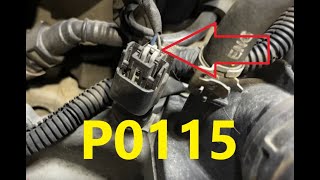
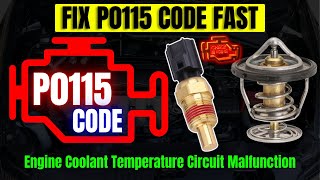
- Check Engine Light: The ECU will trigger a Check Engine Light if the sensor's signal is out of its expected range. Common codes include P0115, P0117, and P0118. 🎬 See how to diagnose and fix a P0115 fault code.
- Engine Overheating: The ECU uses the ECT sensor's reading to control the electric cooling fans. If the sensor fails, the fans may not turn on when needed, leading to overheating.
- Rough Idle or Stalling: Incorrect fuel and timing adjustments from a bad sensor reading can cause the engine to run poorly, especially at idle.
Generation-Specific Sensor Location
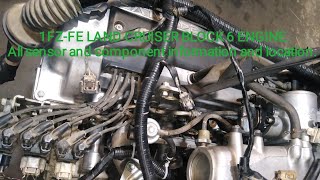
The location of the ECT sensor varies between Land Cruiser generations. On the 100 Series (1998-2001) with the 2UZ-FE V8, the sensor is relatively easy to access, located on the front of the engine near the thermostat housing. On the 80 Series (1991-1997) with the 1FZ-FE inline-6, the sensor is 🎬 Watch this video to locate every sensor on the 1FZ-FE. in a much more difficult spot to reach, located under the intake manifold near the second cylinder. 🎬 Watch this step-by-step replacement guide for the 80 Series. This can make replacement more time-consuming.
Choosing the Right Aftermarket ECT Sensor

When it comes to critical engine sensors for a Land Cruiser, quality and accuracy are paramount. While saving money is always a goal, a cheap, inaccurate sensor can cause persistent performance issues and lead to more expensive repairs down the line. For this specific part, sticking close to the original equipment (OEM) quality is highly recommended by experienced owners.
Brand Quality Tiers
- Tier 1: OEM Supplier Brands (Recommended): The original sensor for your Toyota was likely made by Denso. Choosing a Denso-branded sensor is the closest you can get to dealership quality without the dealership price tag. Brands like NGK (also known as NTK for sensors) are also known for their high-quality electronics and are a solid choice.
- Tier 2: Reputable Aftermarket Brands: Brands like Beck Arnley, Delphi, and Standard Ignition (SMP) often provide reliable parts. Beck Arnley, in particular, has a reputation for sourcing parts from the original OEM suppliers, though it's wise to inspect the part. These are generally a safe bet if an OEM-supplier brand is not available.
- Tier 3: Budget-Friendly Options: Brands like URO Parts, Facet, and other lower-priced options can be a gamble. While they may function correctly initially, their long-term reliability and accuracy may not match higher-tiered brands. For a sensor this critical to engine management, it is generally advised to invest in a better-quality part to avoid future headaches.
Pro Tip: Before replacing the sensor, check the wiring and connector. A corroded or damaged connector can mimic the symptoms of a failed sensor. Also, when the Check Engine Light is on, the ECU stores specific fault codes. Reading these codes (e.g., P0115, P0117, P0118) with an OBD-II scanner can confirm the issue is with the ECT sensor circuit before you buy a new part.
Cost of Replacing a Land Cruiser ECT Sensor

| Part/Service | Estimated Cost |
|---|---|
| New OEM Toyota Sensor | $70 - $98 |
| New Aftermarket Sensor | $12 - $53 |
| Shop Labor | $90 - $200 (Varies by engine/location) |
Frequently Asked Questions
Why is my temperature gauge working but I still have a sensor code?
Your Land Cruiser has two separate temperature units. The Engine Coolant Temperature (ECT) sensor is a two-wire sensor that sends data only to the engine computer (ECU). A separate, single-wire unit, called the coolant temperature sender, is responsible for making the needle on your dashboard gauge move. It's common for the ECT sensor to fail while the gauge sender continues to work perfectly.
Can I still drive with a bad ECT sensor?
You can, but it is not recommended for long. When the ECU detects a fault, it enters a "fail-safe" mode, assuming a default temperature and adjusting the engine accordingly. This will result in poor fuel economy and performance, and you risk the engine overheating if the cooling fans fail to activate. You should get it fixed as soon as possible.
What is the most common mistake when ordering this part?
The most common mistake is confusing the two-wire ECT sensor for the ECU with the single-wire temperature sender for the dash gauge. They are often located near each other but are not interchangeable. Always verify you are ordering the correct part for the job. If you have an engine performance problem or a P0115/P0117/P0118 code, you need the ECT sensor.
Is it really worth paying more for an OEM or Denso sensor?
For this part, yes. The Land Cruiser's engine management system is designed to work with the precise resistance curve of the original sensor. Aftermarket sensors, especially budget ones, can have slightly different curves, which may prevent your engine from ever running at its peak efficiency, even if it doesn't trigger a check engine light. Given the small price difference, choosing OEM or a known OEM supplier like Denso is a wise investment in reliability.
Helpful Videos

Technical Specifications
OEM Part Numbers: 89422-35010 89422-20010 89422-12010
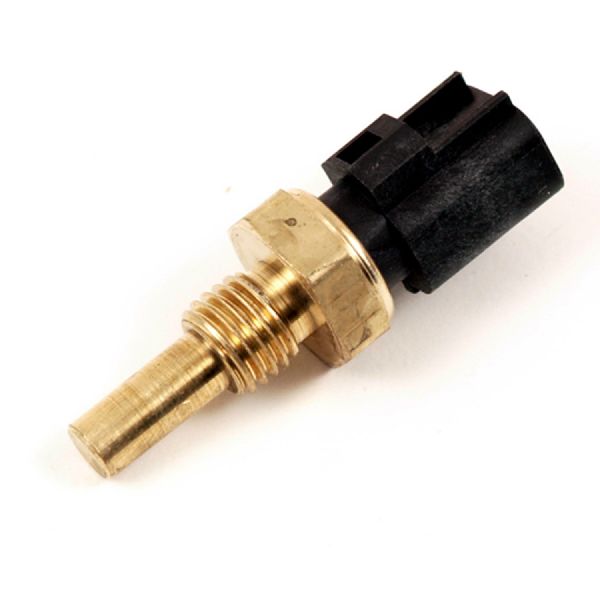
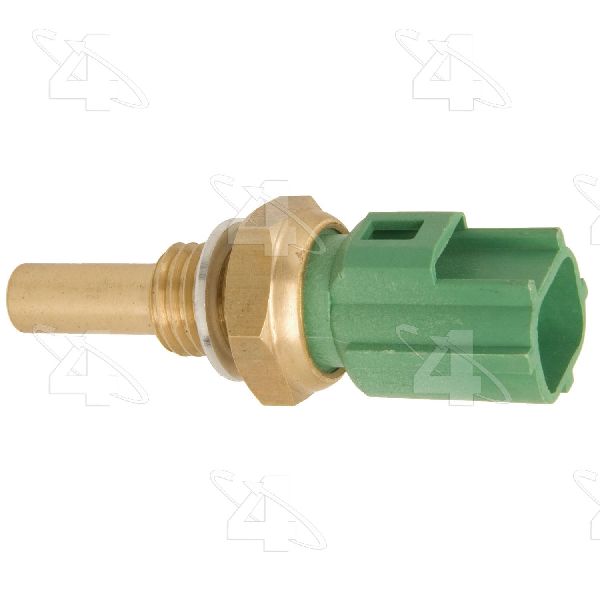
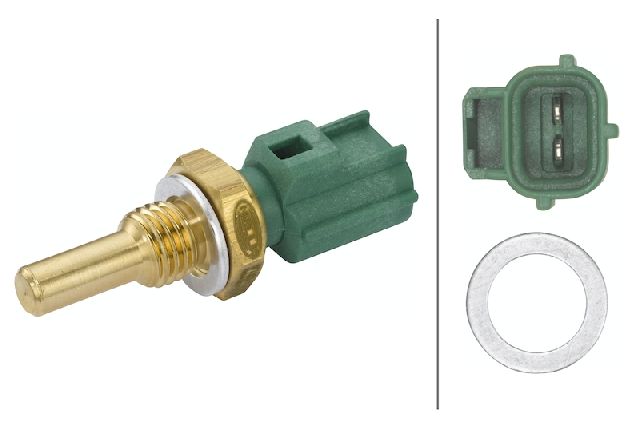
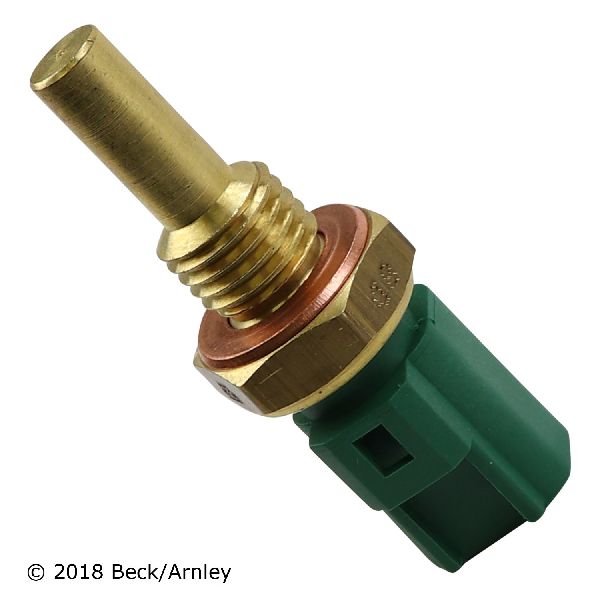
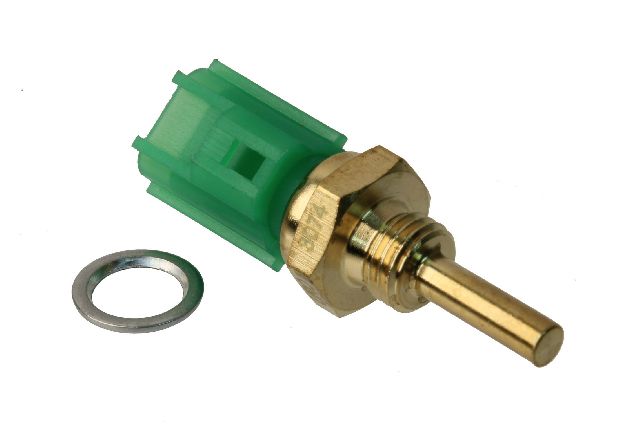
This is a two-terminal thermistor sensor that communicates engine coolant temperature to the Engine Control Unit (ECU). It is distinct from the single-terminal sender for the dashboard gauge.
We Have This Part in Stock


The information in this article is provided for general reference and educational purposes only. Vehicle specifications, procedures, and part compatibility can vary by production date, trim level, and region. Always consult your vehicle's factory service manual and verify part numbers before purchasing or performing repairs. Safety-critical components such as airbags, seat belts, and braking systems should be installed by a qualified professional.
- Toyota Land Cruiser: