

Chevrolet Tracker Engine Coolant Thermostat Guide (1989-2000)
Keep your Tracker's engine from overheating or running too cold by understanding this critical part.
- A thermostat stuck open is the most common failure, causing a P0128 code, poor heat, and low fuel economy.
- A thermostat stuck closed is an emergency; pull over immediately to prevent engine damage from overheating.
- Replacement is a DIY-friendly task; always replace the gasket and properly bleed air from the cooling system.
- No recalls have been issued for the thermostat on a 1989-2000 Tracker.
Is Your Tracker's Thermostat Failing?
A thermostat is a wear item. After thousands of heating and cooling cycles, the wax element inside can weaken, or the spring can break. Most modern thermostats are designed to fail in the 'stuck open' position, which is a safe but inefficient mode. However, they can also fail 'stuck closed,' which is a much more serious problem.
Symptoms of a Thermostat Stuck Open:
- Engine Takes Forever to Warm Up: The temperature gauge on your dash barely moves off 'C' even after several minutes of driving.
- Heater Blows Cold or Lukewarm Air: Because the engine never reaches full temperature, the coolant isn't hot enough to provide good heat for the cabin.
- Poor Fuel Economy: The engine's computer thinks the engine is still cold, so it runs a richer fuel mixture, wasting gas.
- Check Engine Light: A thermostat stuck open is the most common cause for the P0128 trouble code.
Symptoms of a Thermostat Stuck Closed:
STOP DRIVING IMMEDIATELY. A stuck-closed thermostat will cause the engine to overheat rapidly, which can lead to severe and expensive damage like a warped cylinder head or blown head gasket.
- Rapid Overheating: The temperature gauge will shoot into the red 'H' zone very quickly, often within minutes of starting the engine.
- Steam from Under the Hood: As the trapped coolant boils, it will create pressure and steam may be seen coming from the engine area.
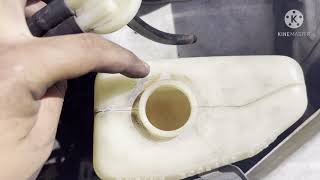
- Coolant Leaks: The extreme pressure can force coolant out of the overflow tank or cause leaks around the thermostat housing.
Choosing the Right Aftermarket Thermostat
For a 1989-2000 Chevrolet Tracker, you don't necessarily need to go to a dealer for this part. Quality aftermarket brands provide a reliable and affordable solution. Since the Tracker is a rebadged Suzuki, brands that specialize in import vehicles are often a good choice.
| Brand Tier | Brands | Assessment |
|---|---|---|
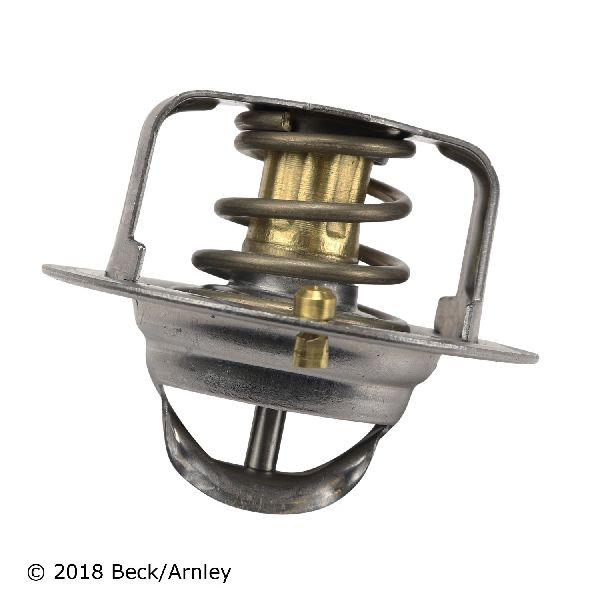
| Premium Aftermarket | Beck Arnley, Gates | These are trusted names in the aftermarket. Beck Arnley focuses on import models, making it a good fit for the Suzuki-based Tracker. Gates is a leader in cooling system components. While both offer good quality, be aware that manufacturers sometimes re-box parts from other suppliers. |
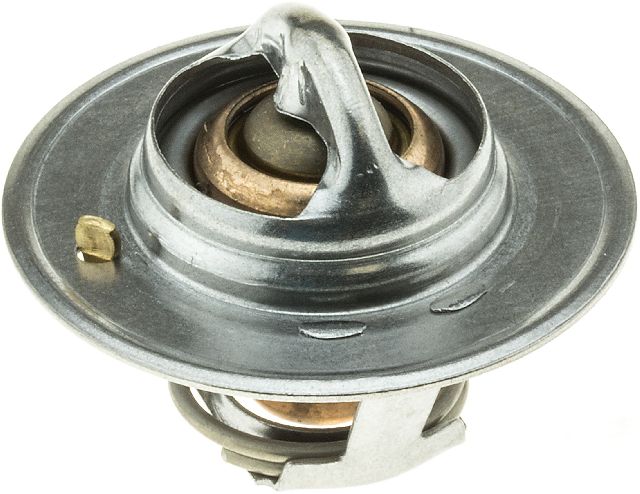
| Standard Aftermarket | Motorad | Motorad is a massive producer of thermostats for both OEM and aftermarket. While generally reliable, some users on forums have noted inconsistencies in quality compared to OEM or premium brands. It serves as a perfectly functional and budget-friendly option. |
Pro Tip: Check the Temperature Rating
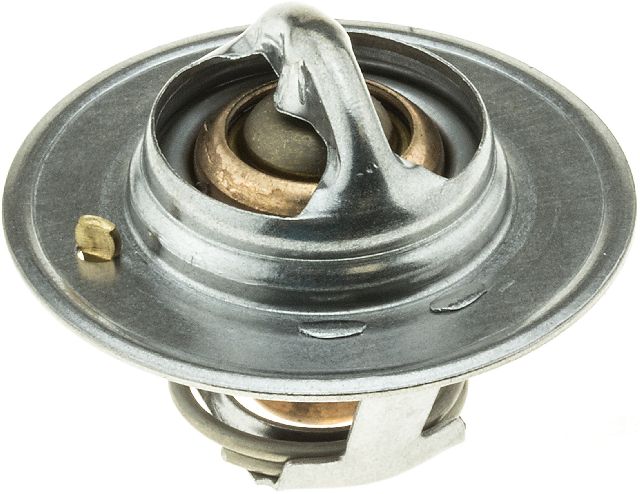
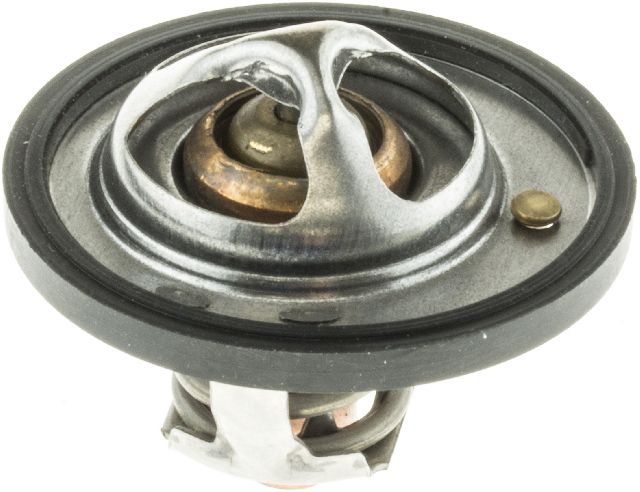
Always buy a thermostat with the same temperature rating as the original. For most Trackers, this is typically 180°F or 195°F. Using the wrong temperature can affect engine performance and fuel economy. The correct specification is often stamped on the part itself.
Frequently Asked Questions (FAQ)
Are there any recalls for the Tracker thermostat?
No. Searches of the National Highway Traffic Safety Administration (NHTSA) database show no recalls or major investigations related to the engine coolant thermostat for the 1989-2000 Chevrolet Tracker.
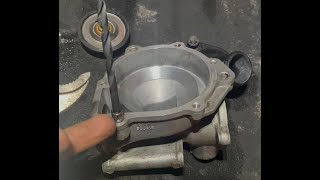
Can I replace the thermostat myself? 🎬 Watch this step-by-step thermostat replacement on a first-gen Tracker.
Yes, this is a very common DIY job for a home mechanic with basic tools. The process involves partially draining the coolant, unbolting the thermostat housing (usually two or three bolts), swapping the old thermostat and gasket for the new ones, and then refilling and bleeding the air from the cooling system. The most critical step is ensuring all air is removed from the system afterward to prevent overheating.
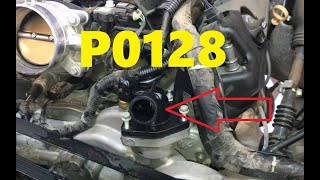
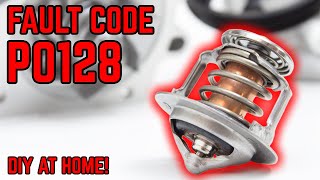
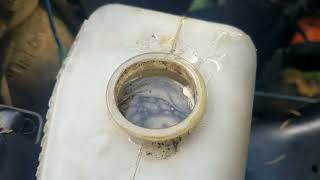
🎬 Learn how to properly flush and bleed your cooling system.What is a P0128 code? 🎬 See this video for common causes and fixes for P0128.
The P0128 code means "Coolant Temperature Below Thermostat Regulating Temperature." In simple terms, the engine's computer expected the engine to warm up within a certain amount of time, but it didn't. The number one cause of this code is a thermostat that is stuck open.
Should I replace the gasket too?
Absolutely. Never reuse an old thermostat gasket. A new gasket is essential to prevent coolant leaks. Most new thermostats come with a new gasket in the box.
Helpful Videos
Technical Specifications
Temperature ratings typically range from 180°F to 195°F. Always verify the correct temperature for your specific engine (1.6L, 2.0L, etc.) before purchasing.
We Have This Part in Stock


The information in this article is provided for general reference and educational purposes only. Vehicle specifications, procedures, and part compatibility can vary by production date, trim level, and region. Always consult your vehicle's factory service manual and verify part numbers before purchasing or performing repairs. Safety-critical components such as airbags, seat belts, and braking systems should be installed by a qualified professional.
- Chevrolet Tracker: