

Ford Probe Oxygen Sensor: A Guide for the 1989-1997 Models
Understanding, diagnosing, and replacing the oxygen sensors in your first or second-generation Ford Probe.
- Prioritize direct-fit sensors from Denso or NGK (NTK) for best performance and reliability on your Probe's Mazda-derived engine.
- A failing sensor will cause a Check Engine Light, poor gas mileage, and rough running; do not ignore these symptoms.
- Replacement is DIY-friendly, but use penetrating oil and a special O2 sensor socket to avoid a seized sensor.
- Verify the exact sensor location (e.g., upstream/downstream, bank 1/2) from your diagnostic code before ordering a new part.
Understanding Your Probe's Oxygen Sensors
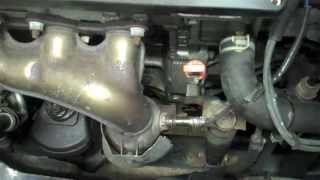
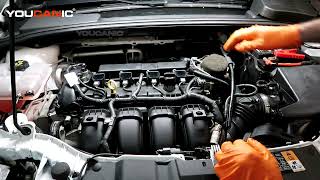
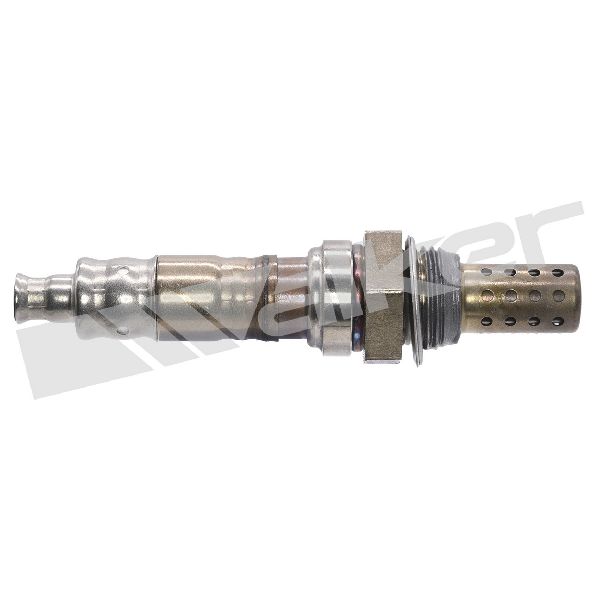
The Ford Probe, being a collaboration with Mazda, uses engine and sensor technology common to Japanese vehicles of the era. This is good news for owners, as the parts are generally reliable and well-understood. The first generation (1989-1992) and second generation (1993-1997) have different engine options, which affects the number and location of O2 sensors. 🎬 Watch this guide to help find your O2 sensor locations. Most models will have at least one "upstream" sensor located in the exhaust manifold before the catalytic converter. OBD-II compliant models (1996-1997) will also have a "downstream" sensor after the catalytic converter to monitor its efficiency.
Symptoms of a Failing Oxygen Sensor
A failing O2 sensor can cause a range of problems. Because the sensor can get "lazy" or slow to respond before it fails completely, you might notice gradual changes in your car's behavior. Look out for these common signs:
- Check Engine Light: This is the most common indicator. A code reader will often point to a specific sensor, such as P0130 or P0141.
- Poor Fuel Economy: If the sensor provides incorrect information, the engine's computer may enrich the fuel mixture, causing you to use more gas.
- Rough Idle or Stalling: An unstable air/fuel mixture can make the engine run erratically, especially when idling.
- Failed Emissions Test: A bad O2 sensor is a common reason for failing a smog check, as it directly controls the vehicle's emissions output.
Aftermarket Brand Quality Tiers for Ford Probe
When replacing your O2 sensor, you have several aftermarket options. Since the Probe uses Mazda-based engines, brands that are OEM suppliers for Japanese vehicles are highly recommended.
| Tier | Brands | Notes |
|---|---|---|
| Tier 1: OEM Quality | Denso, NGK (NTK) | Highly recommended by enthusiasts and mechanics for this platform. NTK is the sensor brand of NGK and is often considered a top choice. Denso is also a major OEM supplier known for reliability. These brands are your best bet for a direct fit and long-term performance that meets or exceeds original specs. |
| Tier 2: Reputable Aftermarket | Bosch, Walker Products | Bosch is a massive OEM supplier, but their aftermarket sensors sometimes have a mixed reputation in Japanese vehicles compared to their OEM parts. However, they are generally a solid choice. Walker Products is a well-regarded aftermarket brand that often uses high-quality components. |
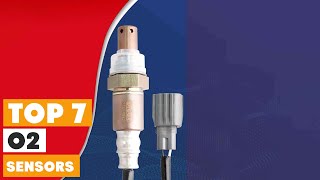
| Tier 3: Economy | DriveWire, Facet, Spectra, Hella | These brands offer a lower price point. While they can function correctly, their longevity and the precision of their readings may not match the higher-tier brands. They can be a viable option for a budget repair, but for a vehicle you rely on daily, investing in a Tier 1 or Tier 2 brand is often worth 🎬 See expert recommendations for the best O2 sensor brands. the small extra cost. |
A Note on Universal vs. Direct-Fit Sensors
You may see "universal" sensors that require you to cut and splice wires to fit your old connector. It is strongly recommended to use a "direct-fit" sensor. Direct-fit sensors come with the correct connector for your Probe, preventing installation errors and ensuring a reliable electrical connection. The small savings on a universal sensor are not worth the potential for a bad connection that can cause performance issues or trigger a false check engine light.
Frequently Asked Questions (FAQ)
How many oxygen sensors does my Ford Probe have?
It depends on the year and engine. Pre-1996 models (OBD-I) typically have one or two upstream sensors (one for the I4, two for the V6). 1996-1997 models (OBD-II) will have those upstream sensors plus one or two downstream sensors to monitor the catalytic converter. Always verify the location (e.g., Bank 1 Sensor 1, Bank 1 Sensor 2) from your diagnostic trouble code.
Is it hard to replace an O2 sensor myself?
For a DIY mechanic, it's usually a straightforward job. The main difficulty is often the sensor being seized in the exhaust pipe due to rust and heat cycles. Using penetrating oil and a special O2 sensor socket is highly recommended. Always try to remove the sensor when the exhaust is slightly warm (not hot) to help break it free.
What is the difference between an upstream and downstream sensor?
The upstream sensor (Sensor 1) is located before the catalytic converter and is the primary sensor used for adjusting the air/fuel mixture. The downstream sensor (Sensor 2), found on 1996 and later models, is located after the catalytic converter and primarily monitors the converter's efficiency.
Do I need to apply anti-seize to the new sensor?
Yes. Most new, high-quality oxygen sensors come with anti-seize compound pre-applied to the threads or in a small packet. This is crucial for preventing the sensor from seizing in the future and ensures proper grounding. Be very careful not to get any anti-seize on the sensor's tip, as this will contaminate it and cause it to fail.
Are there any recalls or TSBs for the Probe's O2 sensor?
Searches did not find any specific recalls for the oxygen sensor on the 1989-1997 Ford Probe. However, Ford did issue a Technical Service Bulletin (TSB 01-9-7) for 1996-97 models that provides service tips for diagnosing Heated Oxygen Sensor (HO2S) issues, indicating it was a component that required clarification for technicians.
Helpful Videos


Technical Specifications
OEM Part Numbers: F62Z-9F472-FF
Varies by engine and year. Can be 3-wire or 4-wire heated sensors. Second-generation V6 models use two upstream sensors, and 1996-97 models add downstream sensors. Connectors are vehicle-specific.
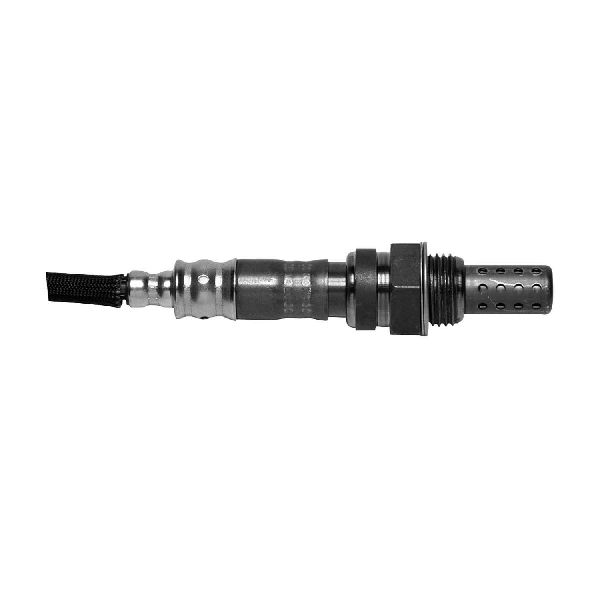
We Have This Part in Stock

The information in this article is provided for general reference and educational purposes only. Vehicle specifications, procedures, and part compatibility can vary by production date, trim level, and region. Always consult your vehicle's factory service manual and verify part numbers before purchasing or performing repairs. Safety-critical components such as airbags, seat belts, and braking systems should be installed by a qualified professional.
- Ford Probe: