

Ford F-150 Ignition Control Module Guide for 1989-1997 Models
Solving stalling, no-start, and rough running issues in your 1989-1997 F-150.
- The most common symptom of failure is the engine stalling when hot and restarting only after it cools down.
- Applying thermal paste between the new module and its heat sink is not optional; skipping it will cause rapid failure.
- While aftermarket parts are available, OEM Motorcraft modules are widely considered the most reliable option for this part.
- The module is located on the driver's side fender and is a straightforward DIY replacement with the correct thin-walled socket.
Is Your F-150 Stalling When Hot? It Could Be the Ignition Module.

For the 1989-1997 Ford F-150, the ignition control module (ICM) is a well-known weak point. The most common complaint is a truck that runs fine when cold, but suddenly stalls after it warms up and then refuses to restart until it has cooled down. This happens because the module is sensitive to heat. While Ford moved the module from the hot distributor to the driver's side inner fender to help with cooling, they can still fail from heat over time.
Symptoms of a Failing Ignition Control Module
- Stalling When Hot: The engine dies after reaching operating temperature and won't restart until it cools off.
- No-Start Condition: The engine cranks over but never fires up, with no spark at the plugs. 🎬 Watch: Step-by-step diagnosis for a crank no-start condition.
- Rough Idle and Poor Performance: The engine may run poorly, cough, or backfire.
- Engine Misfires at High RPM: The truck may stutter or act like it's hitting a rev limiter during acceleration.
- Complete, Sudden Failure: Sometimes, the module fails without any warning, leaving you stranded.
Critical Installation Step: Use Thermal Paste!
The single most important part of this job is applying a layer of thermal paste (also called dielectric grease) to the metal back of the new module before you bolt it to its heat sink. This paste helps transfer heat away from the module. Skipping this step will cause the new module to overheat and fail very quickly.
Choosing the Right Aftermarket Ignition Module

When it comes to this specific part for this generation of F-150, quality matters a lot. While many aftermarket options exist, owner forums are filled with stories of cheap parts failing quickly, sometimes within days or weeks.
- OEM (Motorcraft): The consensus among long-time owners is that the original Motorcraft part is the most reliable option. If you want to replace the part once and not worry about it, Motorcraft is the recommended choice, though it is the most expensive.
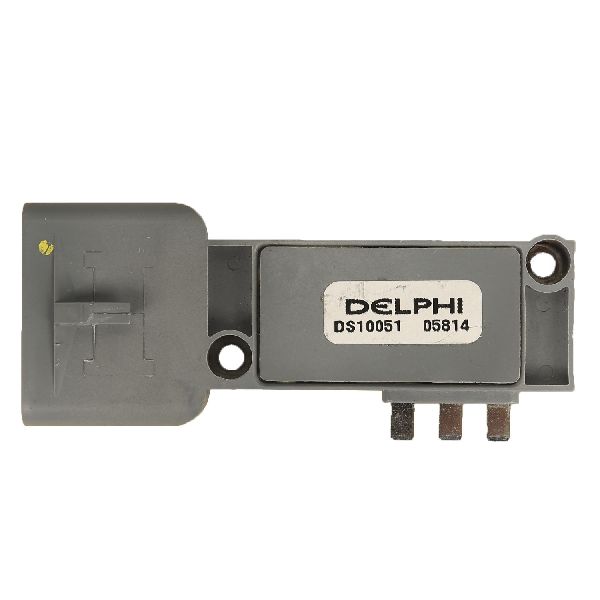
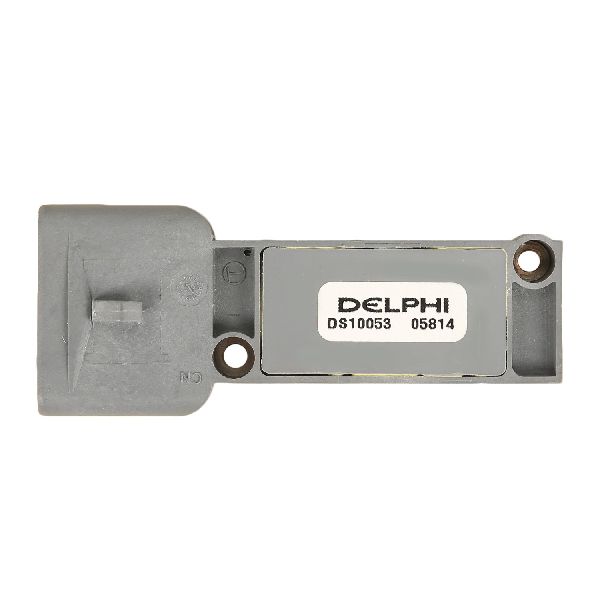
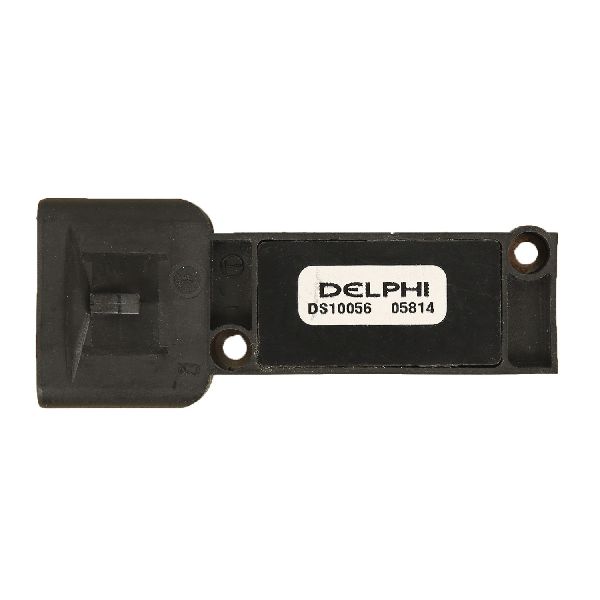
- Premium Aftermarket (Delphi, Standard Ignition): Brands like Delphi and Standard Motor Products (SMP) have a better reputation than generic, no-name parts. They are established manufacturers that often supply original parts to automakers. These can be a good middle-ground option if the OEM part is not in your budget.
- Economy Brands: Be cautious with the cheapest options available. While the low price is tempting, they have a high reported failure rate for this specific, heat-sensitive application.
Many auto parts stores can test your old ignition module. If you're unsure if it's the cause of your problem, take it to a store for testing before buying a new one. However, be aware that a module that is failing from heat may pass the test when it is cool.
Estimated Costs for Ignition Control Module Replacement
| Part Type | Estimated Cost |
|---|---|
| New Aftermarket (Delphi, Standard) | $93.74 - $107.62 |
| New OEM (Motorcraft) | $110 - $150 |
| Shop Labor | $75 - $150 |
Frequently Asked Questions

Where is the ignition control module located on my 1989-1997 F-150?
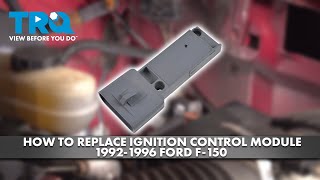
On these trucks, the module is typically mounted to a metal heat sink on the driver's side inner fender, near the hood hinge. 🎬 See this walkthrough on how to replace the module. It is a small black or gray box with electrical connectors.
Do I need special tools for the replacement?
You will need a special thin-walled 5.5mm or 7/32" socket or nut driver to remove the small bolts holding the module to the heat sink. You will also need thermal paste/grease to apply to the new module.
My truck has no spark. Is it definitely the ignition module?
A no-spark condition can be caused by several parts, including the ignition coil, the distributor's internal pickup sensor (PIP), or the module itself. The module is a very common failure point, but it's wise to test the system to confirm the diagnosis.
🎬 Watch: Expert tips for diagnosing ignition issues without wasting money.Are there any recalls for this part?
While there were recalls for earlier, distributor-mounted TFI modules, extensive searches of the NHTSA database did not show any open recalls for the fender-mounted ignition control module on the 1989-1997 F-150 models.
Helpful Videos
Technical Specifications
OEM Part Numbers: E7DF12A297A1A E9DZ12A297A F1SZ12A297A DY1075
Remote (fender) mount Thick Film Ignition (TFI) module. Requires thermal compound for heat dissipation.
We Have This Part in Stock


The information in this article is provided for general reference and educational purposes only. Vehicle specifications, procedures, and part compatibility can vary by production date, trim level, and region. Always consult your vehicle's factory service manual and verify part numbers before purchasing or performing repairs. Safety-critical components such as airbags, seat belts, and braking systems should be installed by a qualified professional.
- Ford F-150: