

Ford F-150 (1989-1997) Engine Water Pump Replacement Guide
Keep your F-150's engine from overheating by choosing the right water pump and knowing when to replace it.
- Verify your engine (4.9L, 5.0L, 5.8L) and required pump rotation (standard or reverse) before ordering.
- If you have a 1992 4.9L F-150, double-check your production date to get the correct pump design.
- Replace your thermostat, hoses, and serpentine belt at the same time to prevent future cooling system issues.
- Do not drive an overheating truck; pull over immediately to avoid catastrophic engine damage.
Is Your F-150's Water Pump Failing?


For the 1989-1997 Ford F-150, the water pump is a durable but finite-life part. When it starts to fail, it will give you clear warning signs. Ignoring them can lead to catastrophic engine failure. Be on the lookout for these symptoms:
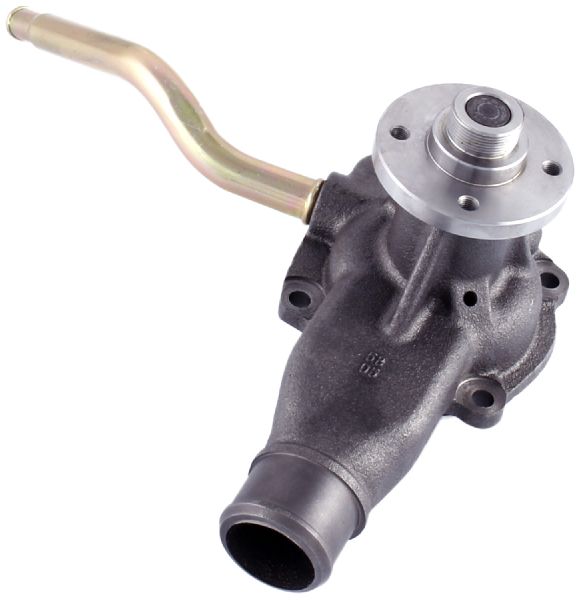
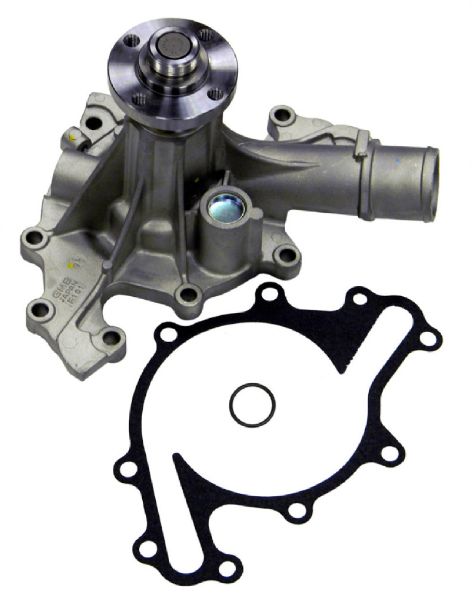
- Coolant Leaks: This is the most common sign. You may see puddles of green, orange, or pink fluid under the front of your truck. Look for drips or white, crusty residue around the water pump itself, which is located on the front of the engine block behind the fan. A small hole on the pump, called a weep hole, is designed to leak when the internal seals fail, serving as a clear indicator the pump is going bad.
- Engine Overheating: If your temperature gauge is climbing into the red, the water pump may not be circulating coolant effectively. Steam coming from under the hood is a critical sign of overheating.
- Whining or Grinding Noises: A high-pitched whine or a rough, grinding sound coming from the front of the engine can indicate the bearings inside the water pump are failing. This might be more noticeable at idle.
- Loose Water Pump Pulley: If you can wiggle the pulley that the fan is attached to, the bearing has failed and the entire pump needs to be replaced immediately.
Stop Driving Immediately
If you see steam or your temperature gauge is in the red, pull over and shut off the engine as soon as it is safe. Driving with an overheating engine can cause permanent damage in just a few minutes.
Choosing the Right Aftermarket Water Pump

For a truck of this vintage, aftermarket water pumps offer excellent value and, in some cases, improved performance over the original design. The quality of OEM (Motorcraft) parts is generally good, but many aftermarket brands meet or exceed those standards for a lower price. Here’s a breakdown of available brands from economy to performance tiers.
Tier 1: Performance & Heavy-Duty
- Edelbrock, Proform, PRW: These brands specialize in high-performance parts. Their water pumps often feature high-flow aluminum designs that cool more efficiently than stock, making them a great choice if you tow, haul heavy loads, or have a modified engine. They are the most expensive but offer the best cooling performance.
Tier 2: OEM-Quality Replacement
- Gates, Dayco: These are highly respected brands that are major suppliers to vehicle manufacturers. Their water pumps are known for reliability and consistent fit, making them a safe, dependable choice for a daily driver or work truck. They offer a great balance of quality and price.
Tier 3: Economy Options
- GMB, US Motor Works, WJB: These brands provide a budget-friendly solution. While they can be a good value, some user reviews suggest a higher chance of premature failure compared to premium brands. They can be a viable option if budget is the primary concern, but be aware of the potential quality trade-off.
Common Ordering Mistakes for the 1989-1997 F-150
Check Rotation Direction: Depending on your engine (4.9L, 5.0L, or 5.8L) and year, you may need a standard (clockwise) or reverse (counter-clockwise) rotation pump. Check your truck's belt routing diagram; if the flat back of the belt rides on the pulley, you need a reverse rotation pump. If the grooved side engages the pulley, you need a standard rotation pump.
4.9L Inline-6 Mid-Year Change: Ford changed the water pump design for the 4.9L engine in the middle of 1992. This affects the fan clutch pilot size and bolt lengths. Be sure to order the correct part for your specific 1992 production date if you have the inline-6 engine.
Estimated Replacement Costs
The cost to replace the water pump on a 1989-1997 F-150 can vary based on the parts you choose and whether you do the work yourself.
| Item | Estimated Cost |
|---|---|
| New Aftermarket Water Pump | $56 - $279 |
| New OEM (Motorcraft) Water Pump | $80 - $150 |
| Shop Labor | $200 - $400 |
| Total Professional Replacement | $256 - $679 |
Frequently Asked Questions

Is replacing the water pump a DIY job?
Yes, for a mechanically inclined person. The process is straightforward but requires draining the cooling system and removing the fan shroud, fan, and serpentine belt to access the pump. It typically takes 2-4 hours. You will need basic hand tools, a fan clutch wrench set, and a drain pan.
Should I replace anything else with the water pump?
Absolutely. This is the perfect time to replace the thermostat, radiator hoses, heater hoses, and the serpentine belt. These parts are already being removed or are easily accessible during the job. Replacing them now can save you from another repair in the near future.
Do I need to use a gasket sealant?
Most modern gaskets do not require sealant. However, applying a very thin layer of a product like Permatex Water Pump & Thermostat RTV Silicone to hold the gasket in place during installation can be helpful. Make sure the mounting surfaces on the engine block are perfectly clean and dry before installation.
Were there any recalls for the water pump on these trucks?
No. Searches of the National Highway Traffic Safety Administration (NHTSA) database show no recalls or technical service bulletins (TSBs) specifically related to water pump failure for the 1989-1997 Ford F-150.
Helpful Videos
Technical Specifications
OEM Part Numbers: F3TZ-8501-C F3TZ-8501-D E9TE 8505-A4A
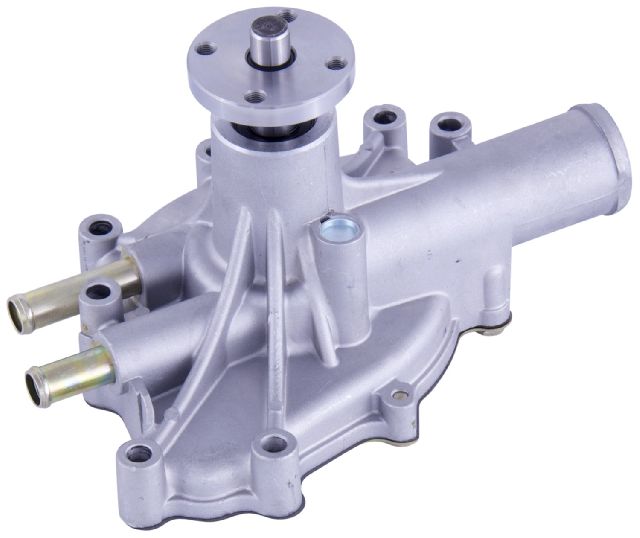
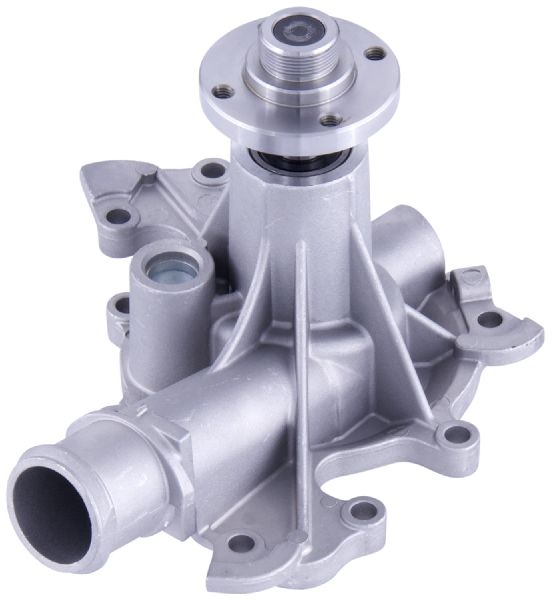
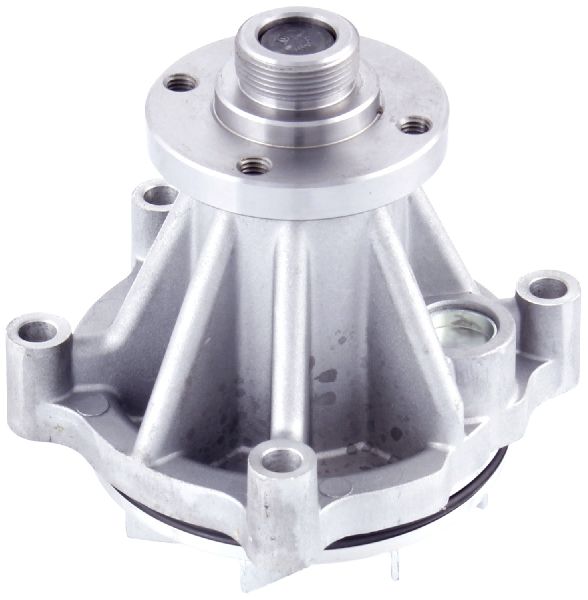
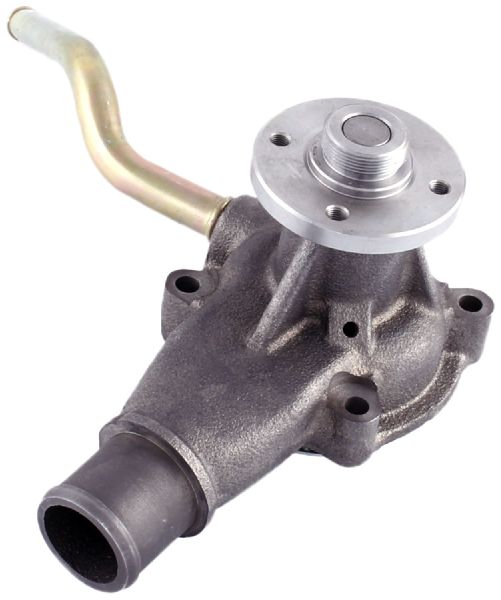
Impeller Rotation (Standard or Reverse), Housing Material (Cast Iron or Aluminum), Fan Clutch Pilot Diameter, Inlet/Outlet Positions
We Have This Part in Stock

The information in this article is provided for general reference and educational purposes only. Vehicle specifications, procedures, and part compatibility can vary by production date, trim level, and region. Always consult your vehicle's factory service manual and verify part numbers before purchasing or performing repairs. Safety-critical components such as airbags, seat belts, and braking systems should be installed by a qualified professional.
- Ford F-150: