

Choosing the Right Disc Brake Pad Set for Your 1989-1997 Blue Bird TC2000
Stopping a multi-ton bus safely starts with the right brake pads; here’s what to look for on your TC2000.
- For a heavy bus like the TC2000, choose durable semi-metallic brake pads from a reputable brand like Wagner, Centric, or Dynamic Friction.
- Listen for squealing (warning) or grinding (critical) noises, as these are direct indicators of worn brake pads.
- Always replace pads as a set on both sides of an axle and strongly consider replacing rotors at the same time for safety and performance.
- Due to the vehicle's weight and safety-critical nature, professional installation is strongly recommended over a DIY replacement.
Symptoms of Failing Disc Brake Pads
Worn-out brake pads are not just an inconvenience; they are a critical safety hazard. Ignoring the signs can lead to brake failure. Be aware of these common symptoms on your TC2000.
- Squealing or Screeching Noises: Most brake pads have a small metal tab called a wear indicator. When the pad material wears down to a certain point, this tab contacts the rotor and makes a high-pitched squeal. This is an audible warning that it's time for a replacement.
- Grinding Sounds: If you hear a deep, metallic grinding or growling, it means the friction material on the pads is completely gone. The metal backing plate of the pad is now grinding against the rotor. This is a serious situation that dramatically reduces stopping power and will damage your brake rotors, leading to a more expensive repair.
- Increased Stopping Distance: If you notice your bus takes longer to stop than it used to, your brake pads may be worn out or contaminated with grease or oil. The owner's manual for the TC2000 warns that stopping distances will increase if one part of the dual brake system fails.
- Vibration or Pulsing in the Brake Pedal: While this can also be caused by warped rotors, it can sometimes be related to unevenly worn or failing brake pads.
Known Issue: Power Brake Assist Failure
A recall was issued for some 2001-2003 TC2000 models for faulty wiring at the battery disconnect switch. This could cause the engine to shut down while driving, resulting in a complete loss of power brake assist. While your 1989-1997 model may not be part of this specific recall, it highlights the importance of ensuring your bus's electrical system is in good order, as it directly impacts brake performance.
Choosing the Right Aftermarket Brake Pads
For a vehicle of this age, aftermarket parts are the most common and practical choice. The key is to select a quality pad that matches the heavy-duty needs of a bus. The main difference you'll encounter is the friction material.
- Semi-Metallic Pads: These are often the best choice for heavy vehicles like the TC2000. They contain metal fibers (like steel or copper) that help dissipate heat effectively and provide excellent stopping power. They are durable and perform well under heavy loads, though they can produce more dust and noise than other types. Several parts catalogs list semi-metallic pads as an option for the TC2000.
- Ceramic Pads: These are quieter and produce less dust than semi-metallic pads. However, they may not dissipate heat as effectively under the extreme loads of a fully-loaded bus, which could lead to brake fade.
- Organic/Non-Asbestos Organic (NAO): These pads are quiet and inexpensive but wear faster and are generally not suitable for the front brakes of a heavy-duty vehicle like the TC2000. A parts catalog lists a "Non-Metallic" option, which would fall into this category.
Pro Tip: Check for Excessive Pad Wear
A service bulletin reference, LK8688, points to a known issue of "Preventing Excessive Pad Wear" on these models. While the document itself is not widely available, its existence suggests that using high-quality, durable pads and ensuring calipers are functioning correctly is especially important on the TC2000.
Aftermarket Brand Tiers for the TC2000
When shopping for brake pads, you'll find several reputable brands. Here’s an honest assessment based on their reputation for heavy-duty applications.
- Wagner Brakes: Often considered a premium choice, especially for trucks and commercial vehicles. Their severe-duty and Wagner Brake SD lines are engineered for high heat and heavy loads, making them an excellent, reliable option for a school bus. They focus on durability and performance under strenuous conditions.
- Centric Parts: A highly respected aftermarket brand known for providing OE-quality fit and performance. Forum users and mechanics often recommend Centric as a reliable and cost-effective choice without sacrificing quality. They offer various lines, including semi-metallic options suitable for your bus.
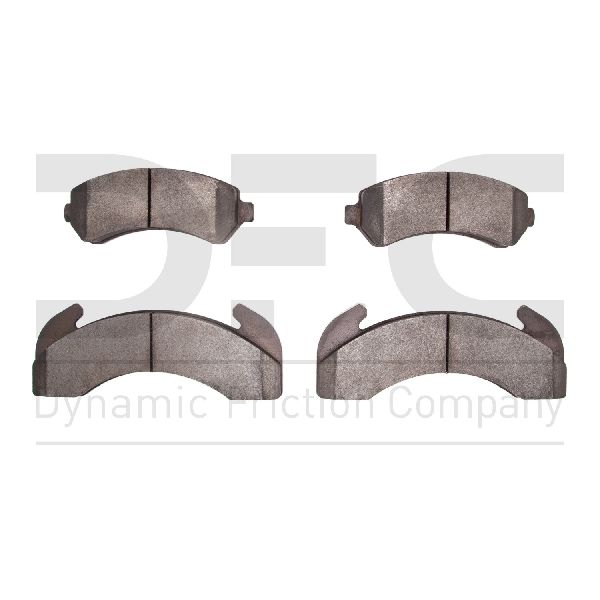
- Dynamic Friction Company (DFC): Another quality brand that is well-regarded. They offer a range of pads, including formulations designed for durability and solid stopping power, making them a good alternative to other major brands.
Estimated Replacement Costs
The cost of replacing your brake pads will depend on the brand you choose and your local shop's labor rates. Labor for a heavy-duty vehicle like a bus is typically higher than for a passenger car.
| Part Type | Estimated Cost |
|---|---|
| New Aftermarket Pads (per axle) | $57 - $121 |
| Shop Labor (per axle) | $150 - $300 |
| Total per Axle (Parts + Labor) | $207 - $421 |
Note: This table does not include the cost of new rotors or other hardware, which are often replaced at the same time. OEM parts are generally not available for a vehicle of this age.
Frequently Asked Questions
Should I replace the brake rotors with the pads?
It is highly recommended. New pads need a smooth, flat surface to bed-in correctly. Installing new pads on old, worn rotors can cause noise, vibration, and reduced performance. Given the safety-critical nature of brakes on a bus, replacing pads and rotors together is the best practice.
Can I replace just the front or rear pads?
Yes, brake pads are replaced per axle. If your front pads are worn but the rear ones are still good, you only need to replace the fronts. However, always replace pads on both sides of the same axle (left and right) at the same time to ensure even braking.
What is the break-in (bedding-in) procedure for new pads?
Follow the manufacturer's instructions included with your new pads. Generally, the process involves a series of moderate stops from a medium speed (e.g., 40 mph down to 10 mph) without coming to a complete stop, allowing the brakes to cool in between. This transfers a layer of friction material to the rotor for optimal performance.
How often do TC2000 brake pads need to be replaced?
There is no set interval. Lifespan depends entirely on driving conditions (city vs. highway), load, and driving style. The best approach is to have your brakes inspected regularly (e.g., every oil change or at least once a year) and to listen for the wear indicators.
Technical Specifications
The 1989-1997 Blue Bird TC2000 uses a hydraulic dual-circuit disc brake system on the front and rear axles. Aftermarket pad options include semi-metallic, carbon-metallic, and non-metallic formulations.
We Have This Part in Stock


The information in this article is provided for general reference and educational purposes only. Vehicle specifications, procedures, and part compatibility can vary by production date, trim level, and region. Always consult your vehicle's factory service manual and verify part numbers before purchasing or performing repairs. Safety-critical components such as airbags, seat belts, and braking systems should be installed by a qualified professional.
- Blue Bird TC2000: