

Oxygen Sensor Guide for the 1989-1996 BMW 525i (E34)
Keep your classic 5-Series running smoothly by understanding its essential oxygen sensor.
- Identify your engine first: 1989-1990 models have the M20 engine, while 1991-1995 models have the M50. This determines the sensor's location.
- Bosch is the OEM supplier and the most recommended brand for reliability and performance in your BMW.
- A bad sensor will decrease fuel economy, hurt performance, and can eventually damage your catalytic converter.
- Replacement is a manageable DIY job, but a special 22mm slotted socket and penetrating oil are highly recommended for removing a stuck sensor.
Understanding Your E34 525i's Oxygen Sensor
The oxygen sensor is a small but vital component that plays a big role in how your 525i performs. Over time, these sensors wear out from constant exposure to hot exhaust gases, oil ash, and contaminants. When it fails, the engine computer can no longer accurately adjust the fuel mixture, leading to a variety of noticeable problems. Driving with a bad sensor for too long can even damage your expensive catalytic converter.
Engine Differences Matter
It's crucial to know which engine your 525i has, as this affects the oxygen sensor's location. The 1989-1996 525i (known as the E34 chassis) came with two different engines in the North American market:
- 1989-1990 525i: These models use the 12-valve M20 engine. The single oxygen sensor is located in the exhaust pipe, just below the #6 cylinder.
- 1991-1995 525i: These models have the more modern 24-valve M50 engine. The single oxygen sensor is found just before the catalytic converter.
Note: The E34 sedan was produced until 1995. If you have a 1996 525i, it may be the newer E39 chassis, which has different requirements. Always verify your car's chassis and engine before ordering parts.
Choosing the Right Aftermarket Oxygen Sensor
When replacing your oxygen sensor, you have several options. For a critical component like this, the brand and quality matter.
Brand Quality Tiers
| Tier | Brands | Assessment |
|---|---|---|
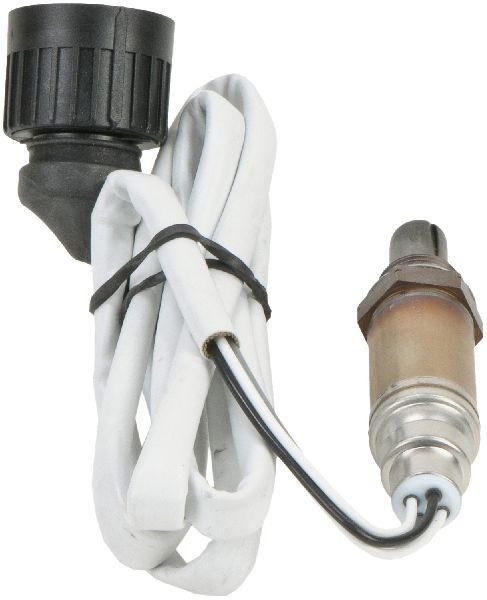
| Premium / OEM | Bosch | Bosch is the original equipment manufacturer (OEM) for BMW for this part. They invented the modern oxygen sensor. Choosing Bosch ensures a perfect fit, correct performance, and long life, just like the original part, without the dealership price tag. |
| Quality Aftermarket | NGK | NGK (also known as NTK) is a highly respected brand specializing in OE-quality sensors. They are a strong alternative to Bosch, known for accuracy and reliability, and are often trusted by drivers who demand consistent performance. |
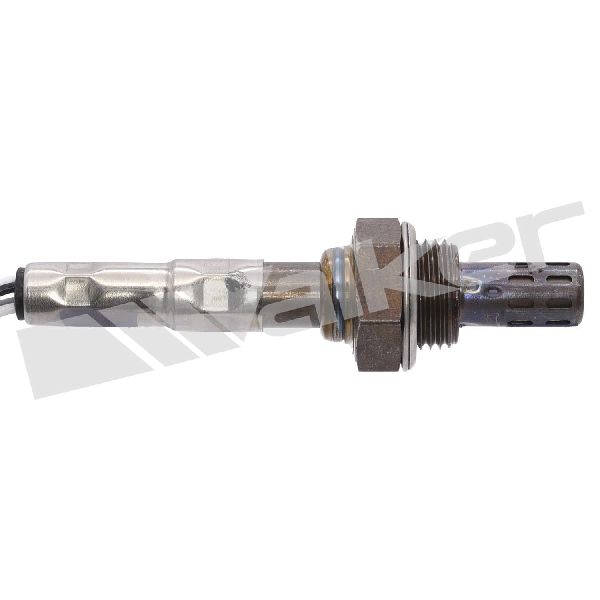
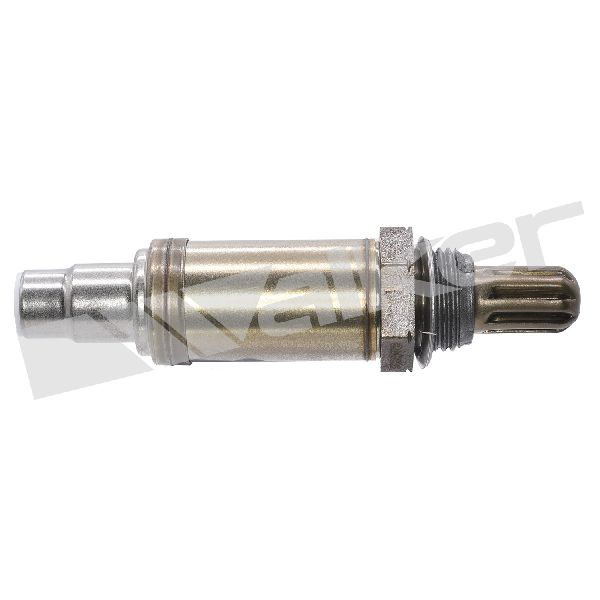
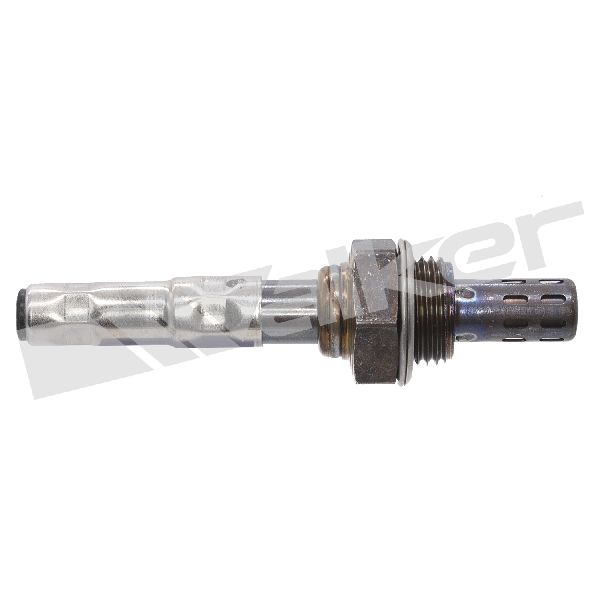
| Standard / Budget | Walker Products, Spectra, DriveWire | These brands offer a more budget-friendly solution. Walker Products are widely used in the aftermarket, striking a balance between affordability and performance. However, some BMW owners have reported issues with budget brands not performing as well as OEM, sometimes leading to the need for another replacement sooner. While they can work, for sensitive German engine electronics, sticking closer to the OEM is often the safer bet. |
Known Issues & Diagnostics
There are no specific recalls or Technical Service Bulletins (TSBs) from the NHTSA for oxygen sensors on this model range. Failures are typically due to age and contamination.
For most 1989-1995 models, you can retrieve fault codes without a scanner using the "Stomp Test." To do this, turn the ignition to the 'ON' position (don't start the car), then fully press and release the gas pedal five times in five seconds. The Check Engine Light will flash a four-digit code. Common oxygen sensor-related codes include:
- 1221: Oxygen Sensor 1
- 1222: Oxygen Sensor Control
A code like 1221 doesn't automatically mean the sensor is bad. It could also indicate a wiring issue or a vacuum leak, so a full diagnosis is recommended.
Frequently Asked Questions (FAQ)
How difficult is it to replace the oxygen sensor?
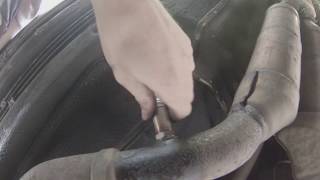
The replacement is generally straightforward for a DIY mechanic. The main challenge is often the old sensor being seized or rusted into the exhaust 🎬 See how to remove a stubborn sensor from an E34 exhaust. pipe. Using penetrating oil and a special oxygen sensor socket 🎬 Watch this step-by-step guide on replacing your BMW oxygen sensor. (a 22mm socket with a slot for the wire) is highly recommended. The job typically takes about an hour.
Should I buy a universal sensor or a direct-fit sensor?
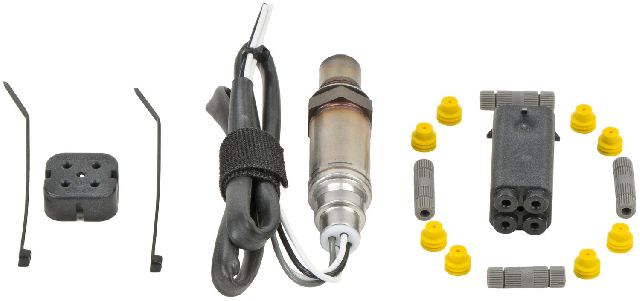
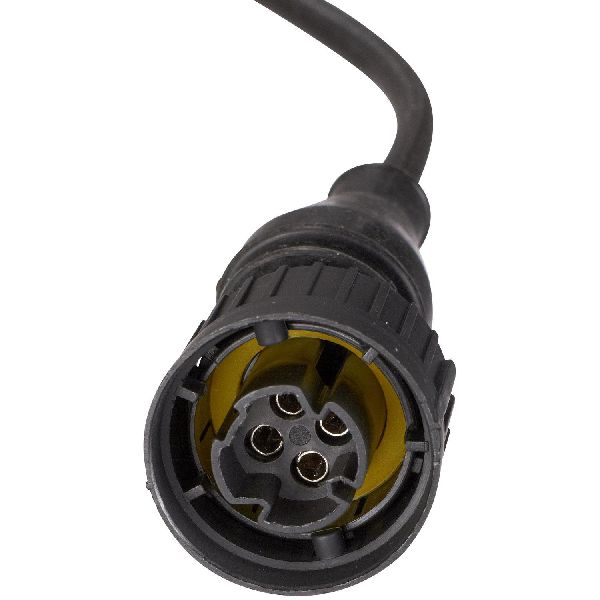
Always choose a direct-fit sensor. These come with the correct plug for your vehicle's wiring harness, requiring no cutting or splicing. Universal sensors require you to wire the new sensor to the old plug, which can introduce connection problems. Given the small price difference, the direct-fit option is much more reliable.
Do I need to apply anti-seize to the new sensor?
Yes. Most new, high-quality sensors come with anti-seize compound already applied to the threads. If not, apply a small amount to the threads only, being careful not to get any on the sensor tip itself. This will make future removal much easier.
How often should the oxygen sensor be replaced?
There is no strict replacement interval, but performance degrades over time. Many experts suggest considering a replacement if your car is over 15 years old or has more than 60,000-100,000 miles, especially if you are experiencing symptoms of failure. Proactive replacement can restore lost fuel economy and performance.
Helpful Videos

Technical Specifications
OEM Part Numbers: 11781735680 11781468620 11781735710 11781726321
Single, 4-wire, heated oxygen sensor. Thread size is M18x1.5. Location is pre-catalytic converter.
We Have This Part in Stock

The information in this article is provided for general reference and educational purposes only. Vehicle specifications, procedures, and part compatibility can vary by production date, trim level, and region. Always consult your vehicle's factory service manual and verify part numbers before purchasing or performing repairs. Safety-critical components such as airbags, seat belts, and braking systems should be installed by a qualified professional.
- BMW 525i: