

Peterbilt 372 Radiator Coolant Hose Replacement Guide (1989-1995)
Keep your Peterbilt 372's engine safe by learning the signs of a failing radiator hose and how to choose the right replacement.
- Do not drive if you suspect a hose is failing; a sudden burst can cause catastrophic engine damage.
- Inspect hoses regularly for leaks, cracks, and especially for soft or swollen spots.
- Quality aftermarket brands like Gates and Continental offer a reliable and cost-effective alternative to more expensive OEM parts.
- For preventative maintenance, always replace hoses in pairs (upper and lower) and use new hose clamps to ensure a leak-free repair.
Is Your Peterbilt 372's Radiator Hose Failing?
For a workhorse truck like the Peterbilt 372, the cooling system is under constant stress. Radiator hoses are considered wear-and-tear items; the rubber breaks down over years of exposure to intense heat, pressure, and engine vibration. It is critical to catch the warning signs of a failing hose before it bursts on the road, which can lead to costly downtime and catastrophic engine damage. During your regular vehicle inspections, check for these symptoms:
- Coolant Leaks: The most obvious sign is a puddle of green, yellow, or pink fluid under the front of your truck. You might also notice a sweet, syrupy smell, or see crusty white or colored residue around the hose clamps.
- Engine Temperature Gauge Climbing: If your temperature gauge is running hotter than normal, it could be due to a coolant leak from a failing hose.
- Visibly Damaged Hoses: Look for cracks, splits, or abrasions on the surface of the rubber. Hoses that feel hard and brittle are dried out from age and at risk of cracking.
- Swollen or Soft Hoses: When the engine is cold, squeeze the hoses. If they feel spongy, mushy, or have a noticeable bulge, their internal structure is failing. A hose in this condition could burst at any time.
Do Not Drive With a Bad Hose
If you suspect a radiator hose is failing, do not drive the truck. A sudden hose burst will cause rapid coolant loss, leading to severe engine overheating and potentially irreversible damage within minutes.
Choosing the Right Aftermarket Hose: OEM vs. Aftermarket
For a 1989-1995 Peterbilt 372, you can choose between an OEM (Original Equipment Manufacturer) hose from a Peterbilt dealer or a new aftermarket part from a quality brand. While OEM parts guarantee a perfect fit, they are often significantly more expensive.
High-quality aftermarket brands are an excellent and cost-effective choice for these trucks. Brands like Gates and Continental are well-respected in the heavy-duty industry and are known for producing durable hoses that meet or exceed OEM standards. They use modern EPDM rubber compounds that resist heat, oil, and chemical degradation. For an older vehicle, a reputable aftermarket hose provides the best balance of reliability and value.
Pro Tip: When replacing one radiator hose, it's smart to replace both the upper and lower hoses at the same time. If one has failed from age, the other is likely near the end of its service life. Always use new hose clamps to ensure a secure, leak-free seal.
Radiator Hose Replacement Cost for Peterbilt 372
The total cost will depend on the parts you choose and whether you perform the labor yourself. Replacing a radiator hose is a manageable job for a DIY mechanic.
| Part/Service | Estimated Cost |
|---|---|
| New Aftermarket Hose (Continental, Gates) | $84.18 - $124.47 |
| New OEM Peterbilt Hose | $150 - $250+ |
| Shop Labor | $150 - $300 |
Frequently Asked Questions (FAQ)
Are there any recalls for the 1989-1995 Peterbilt 372 radiator hose?
No, searches of the National Highway Traffic Safety Administration (NHTSA) database did not find any specific safety recalls or technical service bulletins (TSBs) related to the radiator coolant hoses for this vehicle. Failures are typically due to age and wear rather than a manufacturing defect.
Should I replace the hose clamps with the hose?
Yes, it is highly recommended to replace the hose clamps whenever you replace a hose. Old clamps can lose their tension over time or corrode, which can cause a leak even with a brand-new hose.
Why is my new radiator hose leaking?
If a new hose is leaking, the most common cause is the mating surface on the radiator or engine. Corrosion or old hose material on the pipe fitting can prevent a proper seal. Ensure the surface is cleaned thoroughly with a wire brush or emery cloth before installing the new hose. Also, confirm the clamps are properly positioned and tightened.
Does the lower hose need an internal spring?
Some lower radiator hoses use an internal spring to prevent them from collapsing under the suction of the water pump. If your original hose has a spring, you should transfer it to the new hose if the new part does not include one. Top-tier aftermarket hoses designed for your specific truck should have this feature if it was originally required.
Technical Specifications
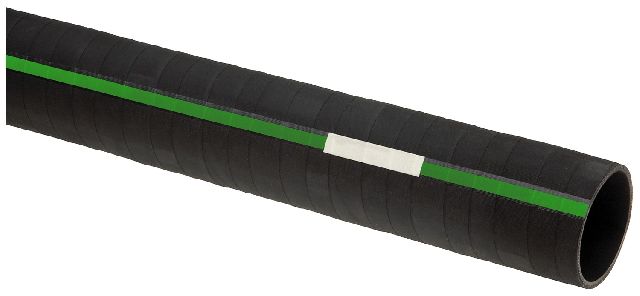
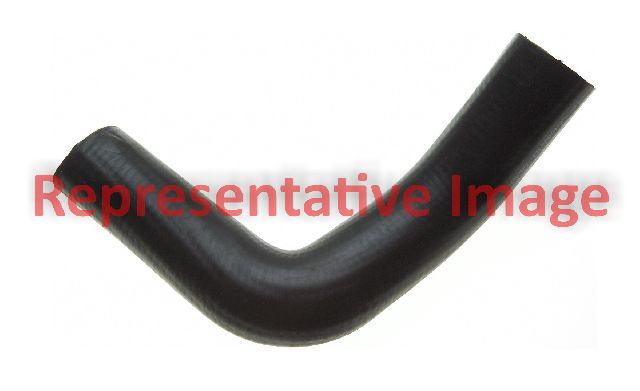
Hoses are typically made from EPDM (Ethylene Propylene Diene Monomer) rubber to resist heat, pressure, and coolant chemicals. Hoses are pre-molded to fit the specific engine and radiator configuration of the Peterbilt 372. The lower hose may contain an internal spring to prevent collapse.
We Have This Part in Stock

The information in this article is provided for general reference and educational purposes only. Vehicle specifications, procedures, and part compatibility can vary by production date, trim level, and region. Always consult your vehicle's factory service manual and verify part numbers before purchasing or performing repairs. Safety-critical components such as airbags, seat belts, and braking systems should be installed by a qualified professional.
- Peterbilt 372: