

Chrysler Shadow Engine Coolant Bypass Hose Guide (1989-1994)
Understanding the small but critical coolant bypass hose on your 1989-1994 Chrysler Shadow.
- A leaking coolant bypass hose is a serious issue that can lead to critical engine overheating; do not drive the vehicle.
- For this vehicle, OEM parts are unavailable. A quality aftermarket brand like Gates is the correct and reliable choice.
- Always replace hose clamps at the same time as the hose to ensure a proper, long-lasting seal.
- Failure is due to age, not a manufacturing defect; no recalls or TSBs exist for this specific part.
Signs of a Failing Bypass Hose
On a vehicle from the 1989-1994 era, rubber components are long past their original service life. Heat and age cause coolant hoses to become hard, brittle, and weak. A failure in the bypass hose can happen suddenly and lead to rapid coolant loss. Watch for these symptoms:
- Coolant Leaks: This is the most common sign. You may find puddles of green or orange fluid under your car, often near the front or side of the engine. A slow leak might just leave stains or a wet appearance on the engine block near the hose.
- Sweet Smell: Antifreeze has a distinct sweet odor. If you smell this around your car, especially when the engine is warm, you likely have a coolant leak somewhere in the system.
- Engine Overheating: A significant leak from the bypass hose will cause the coolant level to drop, leading to the temperature gauge climbing into the red. This is a critical situation that requires you to stop the engine immediately to prevent severe damage.
- Visible Damage: Look at the hose itself. If you see cracks, swelling, or it feels unusually soft, spongy, or rock-hard, it needs to be replaced. Oil contamination can also cause the rubber to swell and degrade quickly.
Stop Driving Immediately
Do not drive your Shadow if you suspect a coolant leak. A small leak can become a major burst without warning, causing a rapid loss of coolant and leading to catastrophic engine damage like a warped cylinder head or blown head gasket. It is not safe to drive until the leak is repaired.
Choosing the Right Aftermarket Hose
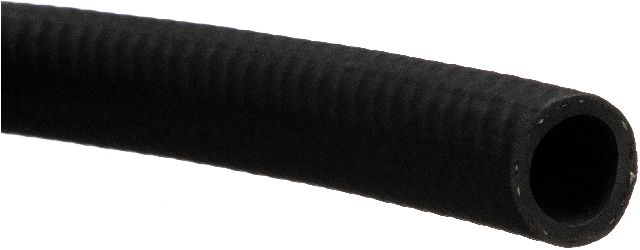
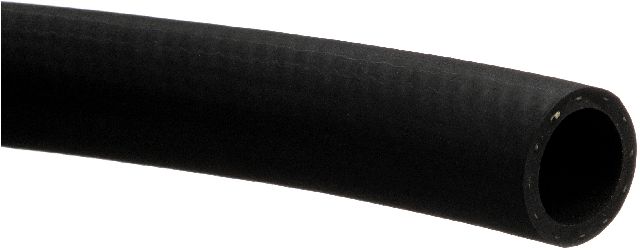
For a vehicle like the 1989-1994 Chrysler Shadow, original equipment (OEM) Mopar hoses are discontinued and no longer available. Your only reliable option is a new aftermarket part. Fortunately, reputable brands like Gates manufacture high-quality replacement hoses that meet or exceed original specifications.
Modern aftermarket hoses are made from EPDM rubber, which is engineered to resist heat, ozone, and electrochemical degradation—the leading cause of internal hose failure. Choosing a well-known aftermarket brand ensures you get a durable, properly shaped part that will fit correctly and provide a reliable seal.
Pro Tip: Always replace the hose clamps when you replace a coolant hose. Old clamps can lose their tension and may not provide a secure seal on the new hose. Spring-style clamps are often preferred as they maintain constant tension as the hose expands and contracts with temperature changes.
Estimated Replacement Costs
The cost to replace the engine coolant bypass hose is reasonable, with the part itself being the main expense. Labor costs are typically low as the job is straightforward for a mechanic.
| Part/Service | Estimated Cost |
|---|---|
| New Aftermarket Hose (e.g., Gates) | $81.22 - $93.36 |
| Shop Labor | $100 - $200 |
| Total Estimated Cost | $181.22 - $293.36 |
Cost estimates are for the part and professional installation and can vary by location and shop rates. Prices are as of late 2025.
Frequently Asked Questions (FAQ)
Is the coolant bypass hose the same as a radiator or heater hose?
No. While they are all part of the cooling system, they serve different functions. Radiator hoses are the large hoses connecting the engine to the radiator. Heater hoses connect the engine to the heater core for cabin heat. The bypass hose is a smaller hose that typically creates a shortcut for coolant flow within the engine itself, often near the thermostat housing or water pump.
Can I replace the engine coolant bypass hose myself?
Yes, for a DIYer with basic tools, this is a manageable job. The process involves draining some coolant, accessing and removing the old hose clamps, and carefully removing the old hose before installing the new one. The main challenge is often limited access and being careful not to damage the fittings the hose connects to. Always remember to top off and bleed the cooling system of any air after the repair.
Are there any recalls for this part on a Chrysler Shadow?
No, there are no specific recalls or Technical Service Bulletins (TSBs) from Chrysler or the NHTSA related to the engine coolant bypass hose for the 1989-1994 Chrysler Shadow. Failures of this part are due to the normal aging and wear of rubber components over several decades.
What engines in the Chrysler Shadow use this bypass hose?
The Chrysler Shadow was available with several engines, including the 2.2L and 2.5L four-cylinder engines, with both naturally aspirated and turbocharged versions. The specific shape and part number for the bypass hose can vary depending on the engine and whether it is a turbo model. It is crucial to verify the part fits your specific engine before purchasing.
Technical Specifications
OEM Part Numbers: 4448699 4536178 4448697 4483944
Material: EPDM Rubber, Reinforcement: Synthetic Fiber Knit, Temperature Range: -40°F to +275°F (-40°C to +135°C). Molded to fit specific engine applications (2.2L, 2.5L, Turbo and Non-Turbo variants).
We Have This Part in Stock

The information in this article is provided for general reference and educational purposes only. Vehicle specifications, procedures, and part compatibility can vary by production date, trim level, and region. Always consult your vehicle's factory service manual and verify part numbers before purchasing or performing repairs. Safety-critical components such as airbags, seat belts, and braking systems should be installed by a qualified professional.
- Chrysler Shadow: