

A Guide to Replacing the Universal Joint on Your 1989-1990 Dodge 2000 GTX
Address steering play and clunking noises by understanding the universal joints in your Dodge 2000 GTX.
- The most common U-joint to fail on a 1989-1990 Dodge 2000 GTX is in the steering shaft, causing steering noise and stiffness.
- A bad steering U-joint is a critical safety issue that can lead to loss of control; do not drive if symptoms are severe.
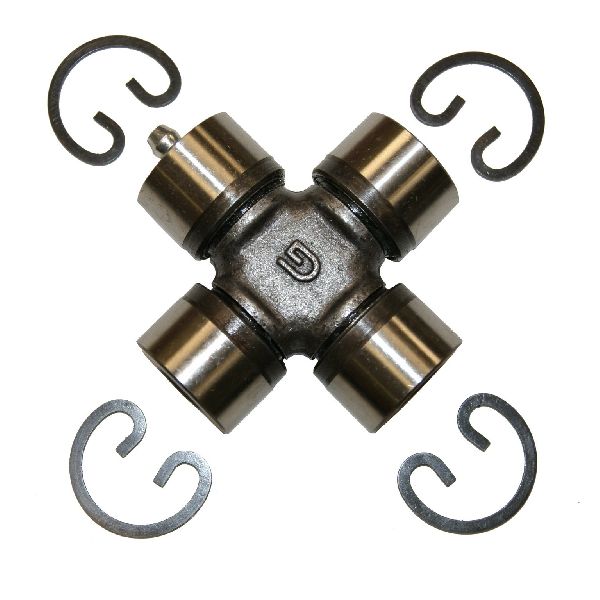
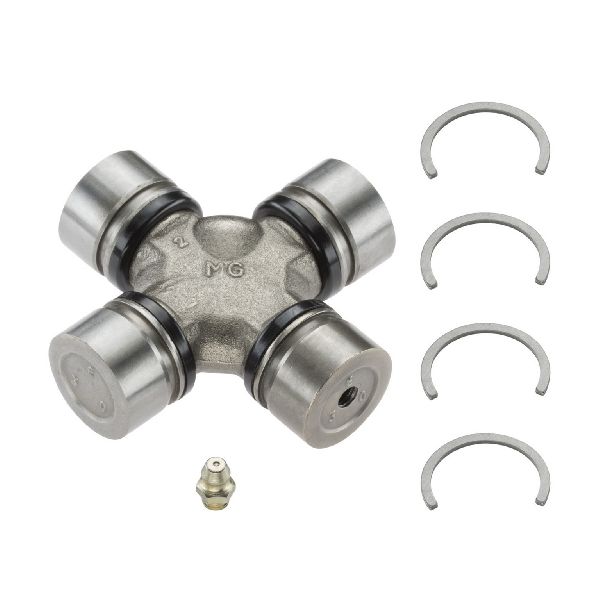
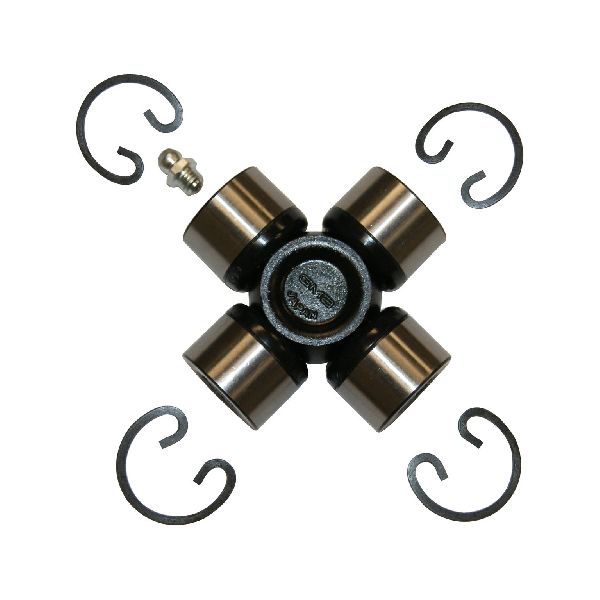
- Aftermarket brands like GMB offer a reliable standard replacement, while Moog offers a serviceable, heavy-duty option.
- Confirm whether your issue is with the steering U-joint or, for rare AWD models, a driveshaft U-joint before ordering parts.
Is it a Steering U-Joint or a Driveshaft U-Joint?
Before buying parts, it's important to know which U-joint has failed. The Dodge 2000 GTX was a rebadged Mitsubishi Galant sold in Canada. Most were front-wheel drive (FWD). All models have a U-joint in the steering shaft. A rare sport model came with all-wheel drive (AWD), which has additional U-joints in the rear driveshaft. This guide focuses on the more common steering U-joint failure, as its symptoms are most frequently encountered by owners.
Symptoms of a Failing Steering U-Joint
A bad steering U-joint is a safety concern and should not be ignored. As the internal needle bearings wear out or seize from rust, you will notice distinct problems with your steering.
- Clunking or Popping Noises: A distinct clunk, pop, or clicking sound when you turn the steering wheel, especially when the car is parked or moving slowly.
- Stiff or Binding Steering: The steering wheel may feel tight or hard to turn in certain spots. It might feel like it's catching and then releasing as you turn.
- Steering Play: A feeling of looseness in the steering wheel. You might have to constantly make small corrections to keep the car driving straight.
- Vibrations: A worn U-joint can cause vibrations that you feel directly in the steering wheel while driving.
Safety First
A severely worn steering U-joint can lead to a complete loss of steering control. If you experience any of these symptoms, especially stiff or binding steering, have your vehicle inspected immediately. It is not safe to drive with a faulty steering U-joint.
Choosing the Right Aftermarket U-Joint
Since new original equipment (OEM) parts for a vehicle of this age are virtually nonexistent, you will be choosing from aftermarket brands. For the 1989-1990 Dodge 2000 GTX, GMB and Moog are two common options.
Brand Quality Tiers
- Moog: Often positioned as a premium or "problem-solver" brand, Moog parts are known for being heavy-duty. Their U-joints are typically greasable, which allows for maintenance to extend their lifespan. However, some professional mechanics and users in forums have noted that Moog's quality can be inconsistent in recent years.
- GMB: GMB is a Japanese manufacturer known for producing good quality, reliable parts that meet or exceed OEM specifications. They are generally considered a solid, standard replacement option that offers good value.
Pro Tip: For a daily driver, a GMB U-joint is a reliable and cost-effective choice. If you prefer the option of serviceable parts and potentially heavier-duty construction, a Moog U-joint is a good alternative, but inspect it for quality before installation.
Aftermarket Universal Joint Cost for 1989-1990 Dodge 2000 GTX
| Part Type | Price Range |
|---|---|
| Aftermarket Universal Joint (GMB, Moog) | $16.08 - $35.30 |
| Estimated Shop Labor | $120 - $250 |
Prices are estimates and may vary based on your location and the specific retailer.
Known Issues, Recalls, and Service Bulletins
There are no active recalls or Technical Service Bulletins (TSBs) from the NHTSA related to universal joints for the 1989-1990 Dodge 2000 GTX. Any failure you experience is due to the age and normal wear and tear of the component.
Frequently Asked Questions (FAQ)
Can I replace a steering U-joint myself?
Yes, this is possible for a DIYer with moderate experience. It involves accessing the steering shaft, which may require working both inside the cabin near the pedals and in the engine bay. You will need a good set of sockets, wrenches, and possibly a U-joint press or a bench vise with sockets to press the old joint out and the new one in. Always ensure the steering wheel is locked and the front wheels are straight before starting.
What is the difference between a steering U-joint and a CV joint?
A steering U-joint allows the steering shaft to articulate. A Constant Velocity (CV) joint is part of the front axles on a FWD car like the 2000 GTX. CV joints allow the front wheels to receive power from the transmission while also turning and moving up and down with the suspension. Bad CV joints typically make a clicking noise when turning sharply while accelerating.
Do I need a special tool to grease a Moog U-joint?
Some Moog U-joints use a needle-style grease fitting instead of a standard zerk fitting to allow for a lower profile in tight spaces. Check the new part when you receive it. If it has a needle fitting, you will need a needle nose adapter for your grease gun.
My car is AWD. Are the driveshaft U-joints the same?
No, the part numbers for driveshaft U-joints are typically different from steering U-joints. If you have a rare AWD model and suspect a driveshaft U-joint failure (symptoms include vibration under acceleration or a clunk when shifting into drive/reverse), you must order a U-joint specifically listed for the driveshaft application.
Technical Specifications
The primary universal joint is located in the steering intermediate shaft, connecting the steering column to the steering rack. AWD models also feature U-joints in the rear driveshaft.
We Have This Part in Stock

The information in this article is provided for general reference and educational purposes only. Vehicle specifications, procedures, and part compatibility can vary by production date, trim level, and region. Always consult your vehicle's factory service manual and verify part numbers before purchasing or performing repairs. Safety-critical components such as airbags, seat belts, and braking systems should be installed by a qualified professional.
- Dodge 2000 GTX: