

Choosing the Right Front Disc Brake Pads for Your 1988-2000 Chevrolet C2500
Find the best aftermarket brake pads to improve stopping power and deal with the unique characteristics of your GMT400 truck.
- You must verify if your C2500 has 6-lug or 8-lug wheels, as the front brake pads are different and not interchangeable.
- Choose pad material based on use: ceramic for quiet daily driving, and semi-metallic or carbon-ceramic for heavy towing.
- New pads will not fix the famously spongy brake pedal; this issue typically requires a master cylinder upgrade or hydraulic system service.
- Always replace pads in sets and consider replacing or resurfacing rotors at the same time for best performance.
Symptoms of Worn Brake Pads on a C2500
When your brake pads are nearing the end of their life, your truck will give you several warning signs. The most common is a high-pitched squealing noise when you apply the brakes, caused by a small metal wear indicator tab touching the rotor. If you let it go further, you may hear a loud grinding or growling sound, which means the backing plate of the pad is scraping against the rotor. This is a serious condition that can damage your rotors, leading to a more expensive repair. Other symptoms include the truck pulling to one side when braking, vibrations in the steering wheel or brake pedal, or a brake pedal that feels softer or travels further to the floor than usual.
Common Ordering Mistake: 6-Lug vs. 8-Lug Wheels
A technical service bulletin from Raybestos highlights a critical issue for 1988-2000 C2500 trucks. There are different brake pads for models with 6-lug wheels versus those with 8-lug wheels. The pads for 8-lug models (like Raybestos PGD370) are slightly taller and, if installed on a 6-lug truck, the outboard pad can contact and scrape the rotor hat, causing noise and damage. Always verify your truck's lug nut count before ordering to ensure you get the correct parts, such as Raybestos PGD369 or its equivalent for 6-lug models.
OEM vs. Aftermarket Pads for the GMT400
Original Equipment Manufacturer (OEM) pads for the C2500 were designed for a balance of quiet operation and decent performance for the time. However, many owners of these GMT400-platform trucks find the stock brake performance to be lacking, often describing a spongy or long-travel pedal feel even when the system is in perfect condition. While aftermarket pads alone won't completely solve this inherent design characteristic, choosing a high-quality aftermarket pad can offer significant improvements in stopping power, fade resistance, and durability, especially for towing or heavy use. Reputable aftermarket brands often provide performance that meets or exceeds original standards.
Choosing the Right Aftermarket Brake Pads
With dozens of options available, it's best to choose based on how you use your truck. Brake pads for your C2500 can be grouped into three main categories.
1. Daily Driver / Standard Replacement
These pads are perfect for general-purpose driving and light hauling. They offer a balance of quiet operation, low dust, and reliable stopping power, similar to or slightly better than the original pads. Most pads in this category are ceramic or hybrid formulations.
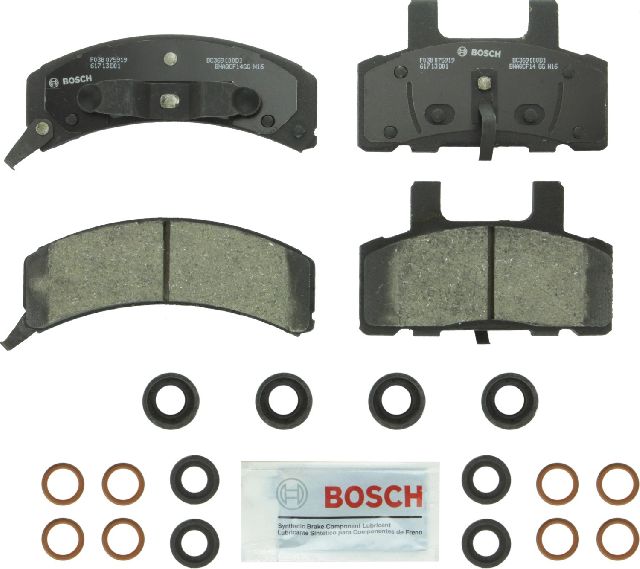
- Brands: ACDelco, Akebono, Bosch, Centric, Dynamic Friction, Pronto, Raybestos (Element3), Wagner Brakes (Wagner QS).
- Best For: Owners looking for a quiet, clean, and affordable replacement for everyday use.
2. Heavy-Duty & Towing
If you frequently tow a trailer or carry heavy loads in the bed, you need a pad that can handle high heat without fading. These are typically semi-metallic or aggressive carbon-fiber ceramic compounds. They provide superior stopping power but may produce more dust and noise than standard pads.
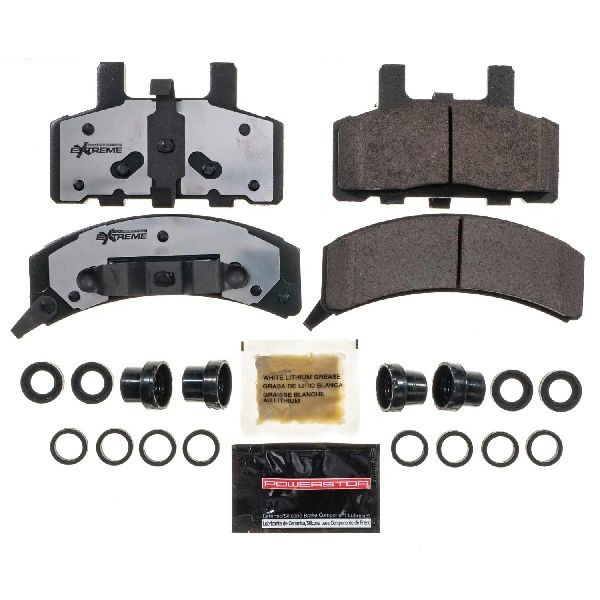
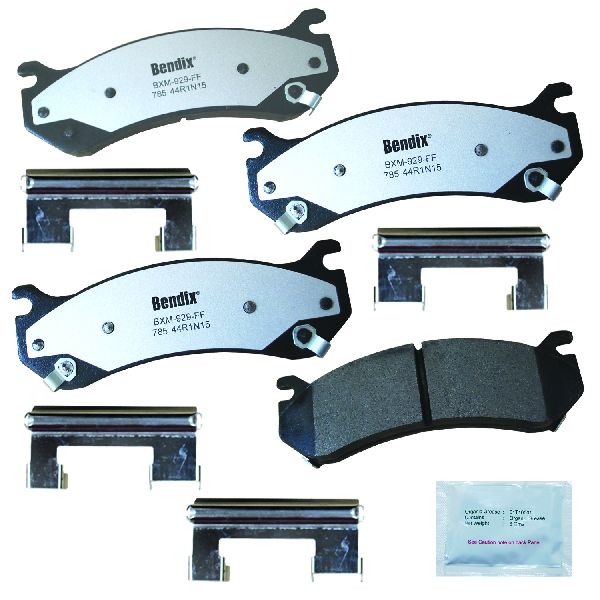
- Brands: Powerstop (Z36 Truck & Tow), Raybestos (Specialty Truck), Wagner (OEx/Severe Duty), Bendix (Fleet), Bosch (Severe Duty), EBC Brakes.
- Best For: Owners who use their C2500 as a workhorse for towing and hauling.
3. High-Performance
For modified trucks or those seeking the absolute best braking response, performance-oriented pads offer the highest friction levels. These pads, from brands like Brembo and Performance Friction, are engineered for aggressive use but can be noisy and dusty during normal driving.
- Brands: Brembo, Performance Friction, Hawk Performance.
- Best For: Modified trucks or drivers who prioritize maximum braking performance over comfort and noise.
| Tier | Typical Price Range (Front Set) | Common Materials |
|---|---|---|
| Daily Driver / Standard | $28 - $75 | Ceramic, Hybrid |
| Heavy-Duty & Towing | $50 - $120 | Semi-Metallic, Carbon-Fiber Ceramic |
| High-Performance | $100 - $205+ | Aggressive Semi-Metallic, Performance Compounds |
A Note on the Spongy Pedal
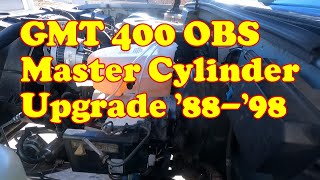
Many C2500 owners complain about a soft, spongy brake pedal. This is a known issue with GMT400 trucks. While new pads are essential, they won't fix this problem on their own. The most effective fix reported by owners is upgrading to a master cylinder from a newer (2000+) GM truck. 🎬 See how to perform the master cylinder upgrade for better pedal feel. When replacing your pads, it's also a good time to inspect your rubber brake hoses for swelling and bleed the entire system, including the ABS module if necessary, to achieve the best possible pedal feel.
Frequently Asked Questions
Will new brake pads fix the spongy pedal on my C2500?
No, not by themselves. The spongy pedal is a well-known characteristic of these trucks, often related to the master cylinder and rear drum brake design. High-quality pads can improve stopping power, but a firmer pedal usually requires other work, like upgrading the master cylinder or ensuring the entire hydraulic system is properly bled and in good condition.
What's better for my truck: ceramic or semi-metallic pads?
It depends on your usage. For daily driving, ceramic pads are a great choice as they are quiet, produce less dust, and are gentle on rotors. If you do a lot of heavy towing or hauling, semi-metallic pads offer better resistance to brake fade at high temperatures and provide more stopping power, though they can be noisier and dustier.
What is "bedding-in" and do I need to do it?
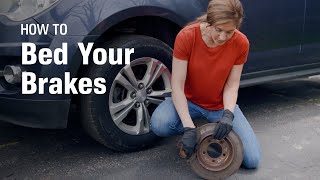
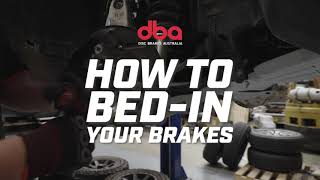
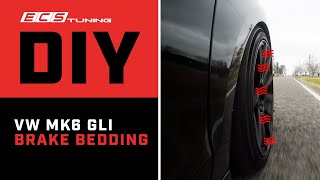
Yes. Bedding-in is the process of breaking in your new pads and rotors. It involves a series of controlled stops to transfer an even layer of friction material from the pads to the rotors. This ensures smooth, powerful, and quiet braking. Most manufacturers provide specific instructions, but the process generally involves several moderate stops from about 40-50 mph without coming to a complete stop, followed by a cool-down period.
🎬 Watch this guide on how to properly bed-in your new pads.Why is it important to know if I have 6-lug or 8-lug wheels?
The brake pads for 6-lug and 8-lug C2500 models are physically different. Installing pads designed for an 8-lug truck on a 6-lug truck will cause the outer pad to rub against the rotor hat, creating a scraping noise and causing damage. You must confirm your truck's configuration before buying parts.
Helpful Videos

Technical Specifications
Vehicle configuration is critical. Per Raybestos Technical Bulletin BPI 07-07, use pad set PGD369 (or equivalent) for C2500 models with six-lug wheels. Use pad set PGD370 (or equivalent) for models with eight-lug wheels. The caliper slide pins require a 3/8" Allen (hex) socket for removal.
We Have This Part in Stock
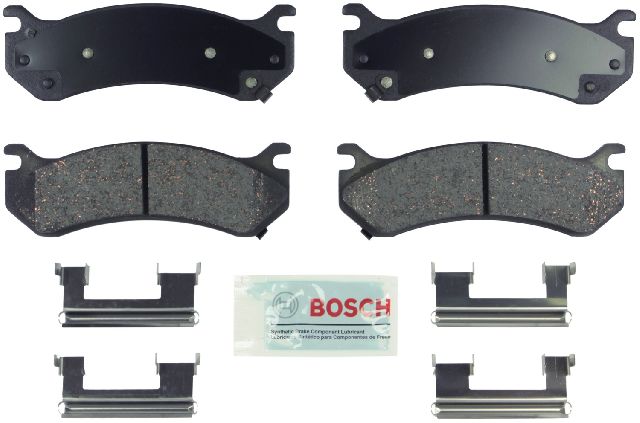
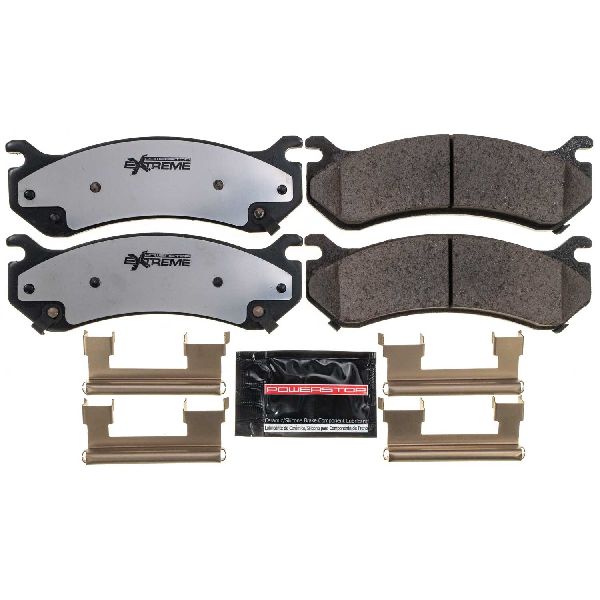
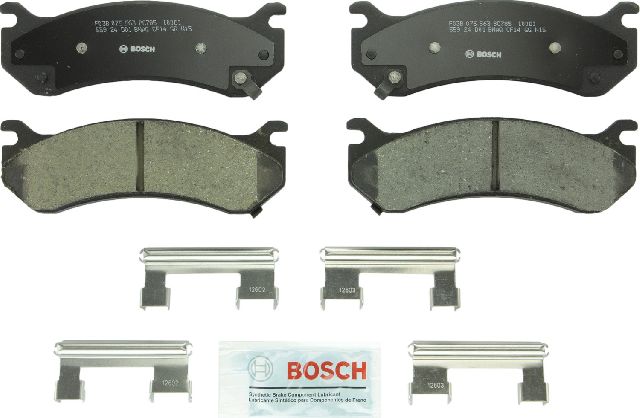

The information in this article is provided for general reference and educational purposes only. Vehicle specifications, procedures, and part compatibility can vary by production date, trim level, and region. Always consult your vehicle's factory service manual and verify part numbers before purchasing or performing repairs. Safety-critical components such as airbags, seat belts, and braking systems should be installed by a qualified professional.
- Chevrolet C2500: