

GMC C1500 Engine Coolant Bypass Hose Guide (1988-1999)
Solving mysterious coolant leaks on your GMT400 truck often starts with this small, overlooked hose.
- A leaking bypass hose is often mistaken for a water pump failure; inspect the hose carefully before replacing the pump.
- Use a high-quality, pre-molded aftermarket hose from a brand like Gates or ACDelco for a reliable, kink-free fit.
- This is a simple and inexpensive DIY repair that can prevent catastrophic engine failure from overheating.
- There are no recalls for this part; failure is a common result of age and wear on these older trucks.
Is Your C1500's Coolant Bypass Hose Failing?
Like all rubber parts exposed to constant heat and pressure, the engine coolant bypass hose on your C1500 will eventually wear out. After decades of service, the rubber can crack, swell, or become brittle, leading to leaks. A failure in this hose is a common issue on these GMT400 trucks.
Don't Mistake It for a Water Pump Leak
A leaking bypass hose is one of the most misdiagnosed problems on the 1988-1999 C1500. Because the hose is located directly above the water pump, a leak will drip down onto the pump body, making it look like the water pump itself has failed. Many owners have replaced their water pump only to find the leak continues. Before you start a big repair, carefully inspect this small hose and its connections.
Symptoms of a Bad Bypass Hose
- Coolant Smell: A sweet, syrupy smell from the engine bay is a classic sign of an antifreeze leak, even if you can't see a puddle.
- Mysterious Coolant Loss: You may find yourself repeatedly topping off the coolant reservoir. Small leaks from the bypass hose often evaporate on the hot engine block before they can drip onto the ground.
- Visible Leaks or Stains: You might see green or orange residue (depending on your coolant) or crusty stains on the water pump, intake manifold, or the front of the engine.
- Engine Overheating: A significant leak will lower coolant levels, causing the engine temperature to rise. This can lead to serious engine damage if ignored.
- Visible Hose Damage: A visual inspection may show the hose is swollen, spongy, cracked, or brittle.
Choosing the Right Aftermarket Bypass Hose
For a critical part like a coolant hose, quality matters. While you can still find OEM parts, a high-quality aftermarket hose will provide reliable service. Based on owner experiences and brand reputation, here is a breakdown of available brands.
| Brand Tier | Brands | Quality & Fitment Assessment |
|---|---|---|
| Tier 1: OEM Equivalent | ACDelco, Gates | Both brands are highly regarded for this application. ACDelco is GM's official parts brand. Gates is a well-respected OEM supplier known for excellent fit and durability, and they manufacture some hoses for ACDelco. You cannot go wrong with either of these choices. |
| Tier 2: Quality Aftermarket | Continental | Continental (sometimes branded as ContiTech) is another established manufacturer that produces reliable hoses and is considered a solid choice. |
| Tier 3: Economy / Mixed Reviews | Dayco | Dayco is a major brand, but some users have reported issues with fitment on various vehicles, including hoses that are not shaped correctly, causing kinks or installation problems. While it may work fine, it carries a higher risk of installation headaches compared to Tier 1 brands. |
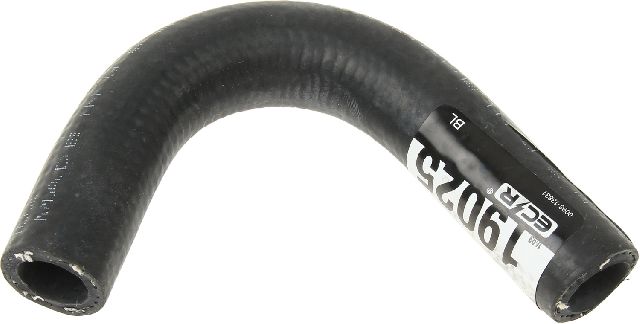
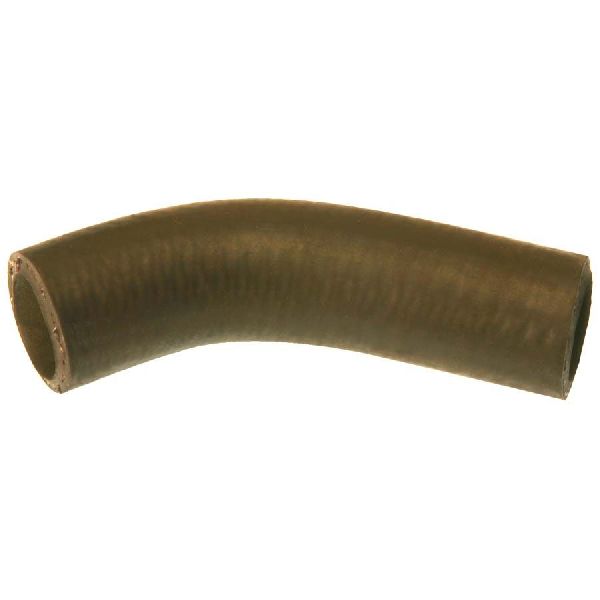
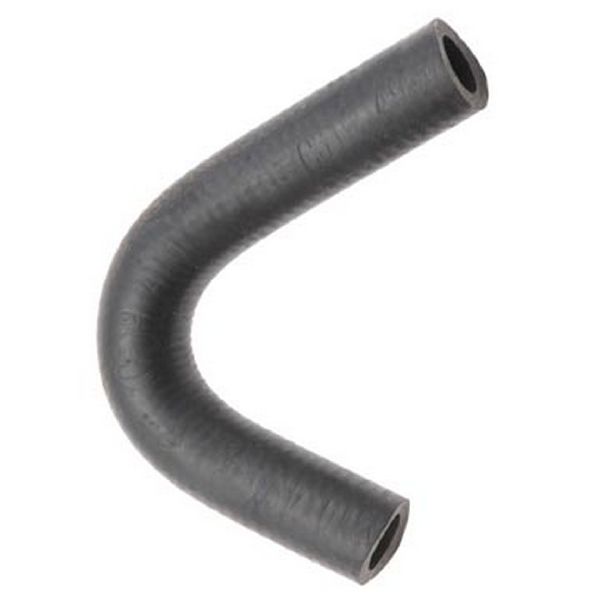
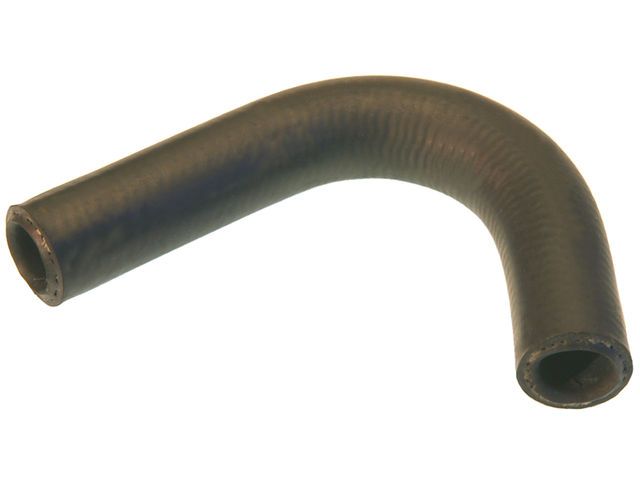
Always use a molded hose. The bypass hose for your C1500 has specific bends to route it correctly. Using a generic straight piece of hose will cause it to kink, which restricts coolant flow and will lead to overheating.
Typical Replacement Costs
Replacing the bypass hose is an inexpensive repair, especially if you do it yourself. The primary cost is the part itself and replacement coolant.
| Item | Estimated Cost |
|---|---|
| New Aftermarket Hose | $14.17 - $128.32 |
| Shop Labor | $100 - $180 |
| Total Professional Repair | $115 - $310 |
Frequently Asked Questions (FAQ)
Can I replace the engine coolant bypass hose myself?
Yes, this is a very DIY-friendly job for someone with basic hand tools. Access is good on these trucks, as the hose is at the top-front of the engine. The job involves a partial coolant drain, removing two hose clamps, swapping the hose, and refilling the system. It can typically be done in under an hour.
Are there any recalls for the C1500 coolant bypass hose?
No, there are no specific recalls or Technical Service Bulletins (TSBs) from GM or the NHTSA for the engine coolant bypass hose on the 1988-1999 GMC C1500. Failures are due to the age and normal wear of the rubber part.
What kind of coolant should I use in my 1988-1999 C1500?
These trucks originally used a conventional green IAT (Inorganic Additive Technology) antifreeze. Many may have been switched to a different type over the years. Check the color of the coolant currently in your system. If you are unsure, it's best to flush the system completely and refill with a single, compatible type of coolant mixed 50/50 with distilled water.
Should I replace the hose clamps too?
Yes. It is highly recommended to use new hose clamps. Old clamps can lose their tension over time or become rusted, leading to leaks even with a new hose. Spring-style clamps are often preferred as they maintain constant tension as the hose expands and contracts with temperature changes.
Technical Specifications
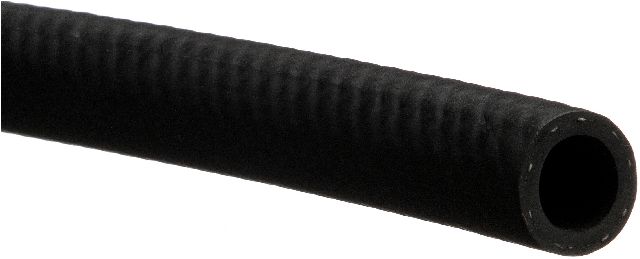
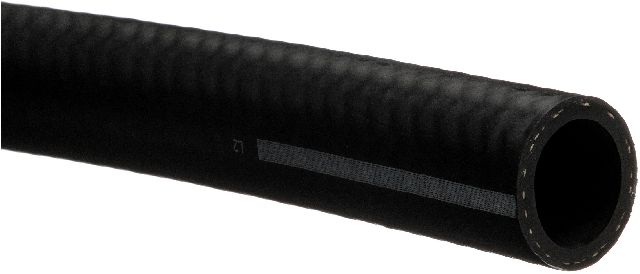
The bypass hose for the V8 engines is a short, molded EPDM rubber hose that connects the water pump to the intake manifold. It must be pre-shaped to prevent kinking.
We Have This Part in Stock

The information in this article is provided for general reference and educational purposes only. Vehicle specifications, procedures, and part compatibility can vary by production date, trim level, and region. Always consult your vehicle's factory service manual and verify part numbers before purchasing or performing repairs. Safety-critical components such as airbags, seat belts, and braking systems should be installed by a qualified professional.
- GMC C1500: